
 AUS
AUS
 NZ
NZ
 UK
UK
 CA
CA
 USA
USA
 IND
IND








Highlights
- Fee-only advisors do not charge a commission like fee-based advisors
- Neither can be called good or bad, and it depends on the prudence and knowledge of the advisor
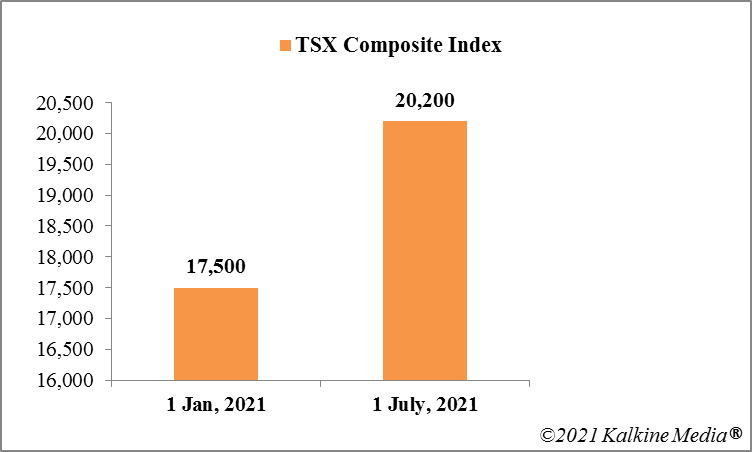
- Investing money in stocks is not a bad idea at a time when stock markets touched peaks in 2021
Getting the perfect financial advice to grow your money can be just a click away. But no valuable thing in this capitalistic world comes for free.
Though it is easy to google investment options like certificate of deposit (CD), retirement plans and best stocks, it might be a good deal to involve a seasoned professional, who knows the tricks of the game. The professional can help you seamlessly compare products and find the differences, which may be a complex task for an amateur investor.
Financial advisors can be fee-only or fee-based. Though both the terms sound somewhat identical, there is a huge difference, and the investor must exercise caution.
Also read: Best saving strategy while preparing for any natural disaster
Fee-only advisors
Fee-only is a simple term to understand, but there are more layers to it than meets the eye.
You hire a financial planner to suggest an optimum investment plan that can distribute your money across multiple options like blue-chip stocks, emerging stocks, RRSP or 401(k) plan, certificate of deposit, and a few quick rich options like crypto assets.
To make such a plan and suggest the quantum of money that should be parked in each option, the planner charges a fixed fee. That's all about fee-only advising.
Also read: The trick to save extra 20 dollars every week
Fee-only has no commissions
The other simple way to understand is there is no commission attached with fee-only advisors.
For example, if the planner suggests you a CD with a bank, s/he doesn't act as a broker; s/he just suggests, takes the fee, and it is up to you to make the deal. The planner is expected to provide unbiased opinions and suggest products with no vested interests.
Fee-based financial advisors
Fee-only advisors can sometime be costlier than fee-based -- the latter also charge a commission by acting as a broker.
Fee-based advisors have a fiduciary duty, which generally keeps them from recommending a product that is not optimum for the client but can bring high commission to the advisor. Here, the advisor can not only suggest the best exchange traded fund (ETF) or index fund, but also propose a specific company offering that product. For example, there are multiple fund managers that track a single index, and the advisor can tell which to pick.
Fee-based advisors are not bad
This is a competitive, open world we live in. Reviews flow faster than they could ever in the past. A fee-based advisor has to forge a long-term relationship and clients' reviews build or break the business. Which is why fee-based isn't as disadvantageous as it may sound.
Also read: How to invest in cryptocurrencies?
Bottom line
Both fee-only and fee-based advisors have a fiduciary duty to propose the best product to their clients. An advisor considers your disposable income and risk appetite ahead of making recommendations. Both fee-only and fee-based can be trusted.
