
 AUS
AUS
 NZ
NZ
 UK
UK
 CA
CA
 USA
USA
 IND
IND







Summary
- Investing involves spending money on an asset with an average level of risk and low failure probability.
- Speculating is all about spending money on an undertaking with a high probability of failure.
- It is critical to know the difference between the two if you run a business or invest in the market.
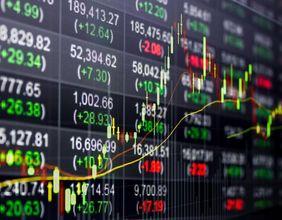
The core rule followed by investors and traders globally is to earn a maximum profit from transactions done in the market. However, the levels of risks taken by investors and speculators differ.
The level of risk and probability of failure is relatively low in investing. On the other hand, both risk and probability of failure are on the higher side in speculating.

Source: © Dana | Megapixl.com
READ MORE: How do ETFs stack up against CFDs? Seven things you should know
Who are investors?
To put it simply, investors park their money in assets such as stocks, bonds, etc., with an expectation that it would return a profit.
Investors generally take their investment calls based on fundamentals and research as well as the probability of success of the investment. Investors generally buy and hold an asset for an extended period, usually for at least one year.
What is speculating?
Speculating is all about spending money on an undertaking, which can either generate mammoth returns of fail massively. Hence, it involves a high probability of failure. The success or failure of such investments depends on some chance or external forces.
Hoping to expect abnormally high returns, speculators execute a risky financial transaction that can go one way or another. Speculative traders generally buy securities for a short period. As a result, they may frequently move into and out of a position.
They trade in growth stocks, foreign currencies, cryptocurrencies, among others. Such traders generally utilise futures, options, and short selling trading strategies.
Let’s understand speculating through an example. Consider a volatile junior copper mining firm, with an equal chance of striking gold or going bankrupt in the near term.
Since there are no big developments around the company for a while, investors would maintain distance.
However, a section of speculators may believe that the company would do exceptionally well in the future. As a result, they may buy its stock in bulk. Such an activity by investors is referred to as speculation.
What are the types of speculative traders?
There are two types of speculative traders:
- A day trader generally holds his positions for a day, closing once the trading session is complete.
- A swing trader holds their position for up to about several weeks, expecting to capitalise on gains during the period.
Investing vs speculating
Investing and speculating are fundamentally different from each other. While investing involves less risk, speculating has higher risk factors.

Source: © Joingate | Megapixl.com
READ MORE: Seven money habits for millennials
While investing is about market research and analysis, speculation does not generally include extensive market research. Instead, the latter depends on market fluctuations, market tips, market news, and the gut instincts of speculators.
Thus, it is critical to know the difference between the two if you run a business or invest in the market. You should always conduct a detailed market research before you park your hard-earned money in the market.
READ MORE: Mutual Fund or ETF? Which is a better option for you?
READ MORE: What are robo-advisors? How can they help investors in Australia?
