
 AUS
AUS
 NZ
NZ
 UK
UK
 CA
CA
 USA
USA
 IND
IND

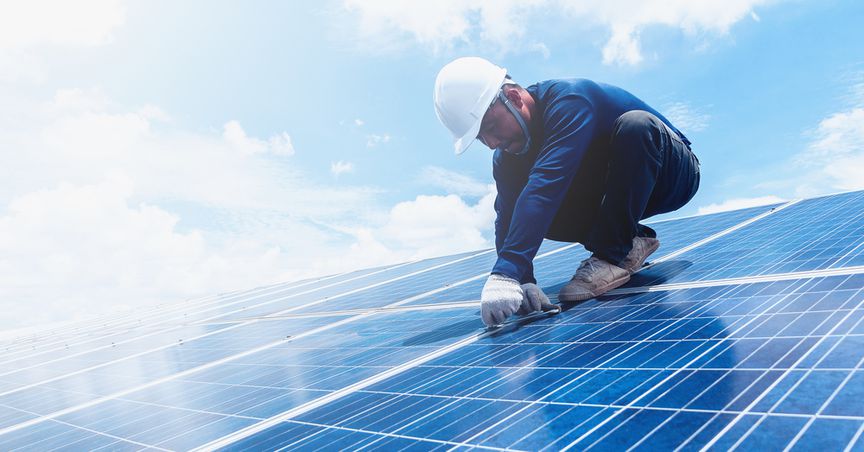





Canada’s plan to hit net zero emissions by 2050 begins with the adoption of renewable energy and technology. Prominent provinces are doing their bit by generating a large portion of their energy from renewable resources. Meanwhile, remote areas are pulling quite a bit of the weight as well.
In fact, the country’s largest off-grid solar project sits in one of the remote communities in northeast Alberta.
The community of Fort Chipewyan, also referred to as Fort Chip, has become the leading light in Canada’s journey toward a green economy. Let’s learn how.
Fort Chipewyan’s Journey To Solar Power
The Fort Chipewyan community, which holds about a thousand residents within its borders, received all its energy from diesel power station until recently. The process would consume millions of litres of diesel.
The shift to renewable resources eventually came, and it was no mean feat.
Located some 200-odd kilometres from the urban service area of Fort McMurray, Fort Chipewyan saw truckloads of diesel come through extremely tough terrain. In fact, during summers, accessibility to the community relied solely on air and barge transportation. With the passage of time, and as climate change made Canada’s northern regions increasingly warmer, the terrain became even more inaccessible.
As need ushered in the development of the solar project, which saw a grand opening in November last year, over 5,000 solar panels were installed to generate power. These are expected to fulfill almost 25 per cent of the community’s power needs.

Copyright © 2021 Kalkine Media
The Involvement of the Indigenous Community in Fort Chipewyan’s Solar Project
The indigenous communities were largely involved in the design and development of Fort Chipewyan’s solar project. It is, in fact, owned by a joint venture known as the Three Nations Energy.
The developers, including Toronto Stock Exchange-listed ATCO Limited (TSX:ACO.X), are hopeful that the Fort Chipewyan model will be replicated in other similar communities and terrains. If so happens, it could help remote areas attain energy autonomy and become ecologically more sustainable.
An additional positive aspect of the Fort Chipewyan solar project is that Three Nations Energy has committed to diverting any profit generated from it toward building more clean energy projects and education.
Minister of Natural Resources Seamus O'Regan has even dubbed the project, which was partly funded by the federal and Alberta government, as “a model” for the country’s sustainable energy future.
The Fort Chipewyan model, while helping Canada’s efforts to expand solar power production, also sheds light on role of government policy actions and the indigenous communities’ developments. As for how it may inspire other regions, we may find out in the future.
