
 AUS
AUS
 NZ
NZ
 UK
UK
 CA
CA
 USA
USA
 IND
IND






Highlights
- Imperial Oil operates as an integrated energy company across upstream and downstream activities.
- Operations include crude oil production, refining, and petroleum product distribution.
- The company’s scale reflects the presence of energy firms within benchmarks such as the s&p tsx composite.
Canada’s energy sector plays a central role in shaping industrial output and resource development across the country. Within this environment, Imperial Oil Limited (TSX:IMO) functions as an integrated oil company engaged in exploration, production, refining, and distribution of petroleum products. Companies of this scale are often associated with broader market benchmarks such as the s&p tsx composite, which includes organizations across industries such as energy, finance, and materials. The inclusion of large energy firms within this benchmark highlights the importance of hydrocarbon production in Canada’s economic structure.
Imperial Oil Limited maintains operations that span the full petroleum value chain, connecting upstream resource extraction with downstream refining and marketing processes. This integrated structure allows coordination between production activities and the delivery of refined products to various markets.
Upstream Exploration and Production Activities
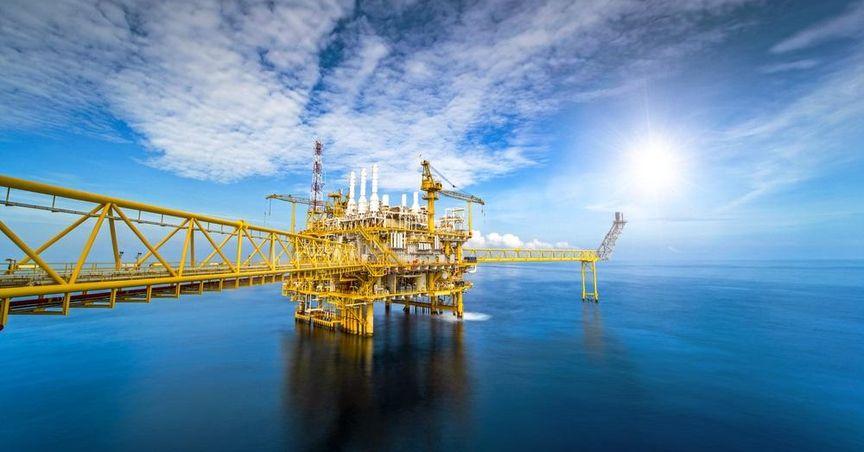
Upstream operations involve the exploration and extraction of crude oil and natural gas from underground reservoirs. These activities typically begin with geological surveys and seismic mapping to identify potential hydrocarbon deposits. Once identified, drilling operations confirm the presence and characteristics of the resource.
Production processes vary depending on the nature of the reservoir. Conventional oil fields allow hydrocarbons to flow more freely, while heavier oil and bitumen deposits require specialized extraction techniques. Thermal recovery methods are commonly used in oil sands regions, where heat is applied to mobilize hydrocarbons embedded within dense formations.
Imperial Oil Limited conducts upstream activities across resource rich regions of Canada. These operations contribute to the supply of crude oil and natural gas, which serve as essential inputs for refining and industrial use. The scale of these operations reflects the extensive hydrocarbon reserves located within Canadian sedimentary basins.
Refining Operations and Processing Systems
Downstream operations focus on refining crude oil into usable petroleum products. Refining involves a series of chemical and physical processes designed to separate crude oil into components such as gasoline, diesel, and other refined fuels. These processes take place in specialized facilities equipped with distillation units, conversion systems, and blending technologies.
Refining capacity within Canada supports the transformation of raw hydrocarbons into products used across transportation, manufacturing, and energy generation sectors. Imperial Oil operates refining facilities that process crude oil sourced from upstream operations as well as other supply channels.
Processing systems within refineries ensure that crude oil is converted into products meeting regulatory and commercial standards. These systems involve heating, separation, and chemical treatment processes that transform hydrocarbons into a range of usable fuels and materials.
Distribution and Marketing of Petroleum Products
Following refining, petroleum products enter distribution networks designed to deliver fuels and related products to end users. Distribution systems include pipelines, storage terminals, and transportation infrastructure that connect refineries with retail and industrial markets.
Imperial Oil Limited (TSX:IMO) participates in the marketing and distribution of petroleum products across Canada. Distribution channels include retail fuel networks as well as supply arrangements with commercial and industrial clients. These activities ensure that refined products reach consumers and businesses requiring energy resources for daily operations.
Marketing activities involve coordination between production output and demand across different regions. Supply chains are designed to maintain consistent availability of petroleum products while supporting transportation and industrial activities across the country.
Integrated Energy Model and Operational Structure
An integrated energy company combines upstream and downstream operations within a unified structure. This model enables coordination between extraction, processing, and distribution activities. Integration allows for efficient movement of hydrocarbons from production sites through refining systems and into distribution networks.
Imperial Oil’s integrated structure supports a continuous flow of operations across the petroleum value chain. Upstream production provides feedstock for refining operations, while downstream processes ensure that refined products reach end users through established distribution channels.
The company’s operational framework includes infrastructure such as pipelines, storage facilities, and refining plants. These components function together to support large scale energy production and distribution activities within Canada’s energy system.
Energy Sector Presence in Market Benchmarks
Large integrated energy companies remain a significant part of Canadian market benchmarks such as the tsx composite index. These benchmarks track corporations across multiple sectors, including energy, finance, and industrial production. Energy companies contribute to the representation of natural resource industries within these indices.
The petroleum sector supports a wide network of related industries, including transportation, petrochemical manufacturing, and infrastructure development. Energy production activities contribute to supply chains that extend across domestic and international markets.
The presence of integrated oil companies within major benchmarks reflects the importance of hydrocarbon resources within Canada’s industrial landscape. These companies operate across multiple segments of the energy value chain, connecting resource extraction with product distribution and consumption.
