
 AUS
AUS
 NZ
NZ
 UK
UK
 CA
CA
 USA
USA
 IND
IND






Highlights
Rio Tinto is being assessed through portfolio balance as Australian markets demand clearer operational and financial signals.
Iron ore shipments, copper expansion and project delivery remain central to the company’s wider resources narrative.
Discussion across metal and mining companies is shifting towards cash discipline, execution quality and durable commodity demand.
Rio Tinto remains central to Australia’s mining debate as iron ore shipments, copper growth, project execution, cost discipline and portfolio balance shape market sentiment across diversified resources companies.
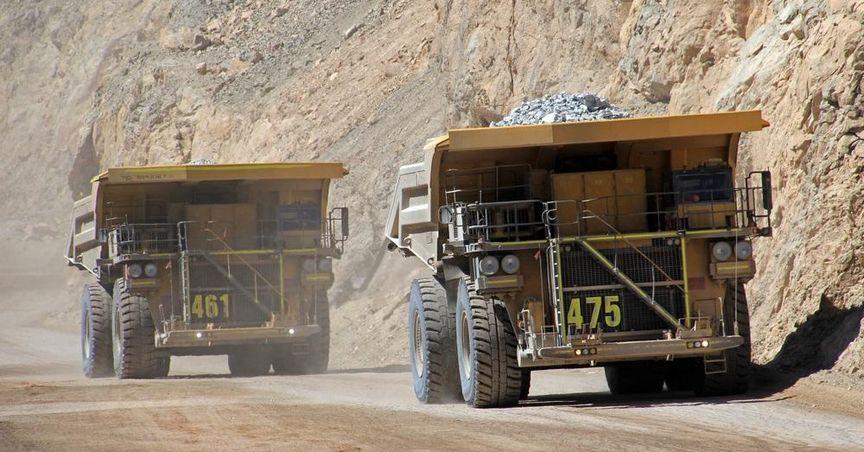
Australian equities are moving through a demanding period in which familiar market leaders are being asked to provide more than scale and sector relevance. Rio Tinto (ASX:RIO), a diversified global resources group with major iron ore, aluminium and copper operations, sits firmly inside that debate. As one of the heavyweight names influencing the ASX 20, the company offers a useful lens into how commodity exposure, operational delivery and portfolio balance are shaping the broader mining mood.
Mining Leadership Faces a Sharper Test
Large resources companies often influence the direction of the Australian share market, but size alone does not remove scrutiny.
Commodity prices can shift quickly, customer demand can vary across regions and major projects can take years to move from planning into dependable production. In that setting, the market is placing greater value on businesses capable of maintaining a clear operational rhythm through changing conditions.
Rio Tinto’s relevance comes from the breadth of its portfolio. Iron ore remains central to its operating profile, while aluminium and copper provide exposure to different industrial and economic cycles. This mix gives the market several signals to assess rather than relying on the direction of one commodity alone.
The current question is whether that diversification can support steadier business performance while maintaining disciplined spending and reliable project execution.
Iron Ore Still Sets the Immediate Tone
Iron ore remains one of the most important drivers of Australia’s resources sector.
Shipment volumes, production consistency and customer demand all influence how the larger miners are interpreted. When signals from China become less certain, attention quickly shifts towards operating costs, product quality and supply reliability.
For Rio Tinto, iron ore remains a foundation rather than a background business. The company’s ability to move material efficiently from mine to port helps shape revenue visibility and market confidence.
Yet shipment strength cannot be viewed in isolation. Production interruptions, weather conditions, infrastructure availability and operating expenses can all affect the quality of the result.
That is why the market increasingly looks beyond headline volume. The more useful question is whether shipments are being delivered with sufficient cost control and operational consistency to reinforce the wider portfolio.
Copper Changes the Portfolio Conversation
Copper has become increasingly important within the global mining discussion because of its role in electricity networks, transport systems, renewable infrastructure and industrial development.
This has encouraged greater attention on diversified miners with meaningful copper exposure. For Rio Tinto, copper provides a different growth pathway from the mature iron ore business, but it also introduces another layer of execution risk.
Copper projects can be technically demanding, capital intensive and exposed to complex approval and development schedules. The market therefore focuses not only on the long-term commodity theme but also on the practical steps required to turn resources into dependable production.
This distinction matters. A favourable structural narrative may attract attention, but project timing, cost management and operational readiness determine whether that narrative becomes visible in ordinary business performance.
Rio Tinto’s copper operations consequently sit at the centre of the portfolio balance debate. They offer exposure to changing industrial demand while placing greater emphasis on disciplined delivery.
Project Delivery Becomes the Credibility Test
Major mining projects require careful sequencing across engineering, procurement, construction, logistics and workforce planning.
Even a high-quality resource can become less compelling when delays, cost pressures or operational complications interrupt the development path. For this reason, project execution has become one of the clearest ways to distinguish strategic ambition from practical progress.
Rio Tinto’s standing within Metal & Mining Stocks depends partly on how effectively the company can maintain that distinction.
A coherent project pipeline should support the existing portfolio without placing unnecessary pressure on the balance sheet. Capital spending needs to remain aligned with operating cash generation, while timelines must remain credible enough to support confidence in future supply.
The market is increasingly unwilling to treat distant growth as equal to completed delivery. It wants evidence that approvals, construction and commissioning are advancing in a controlled manner.
Portfolio Balance Offers More Than Diversification
Portfolio balance is often described as protection against commodity volatility, but the concept reaches further than that.
A balanced resources portfolio can provide multiple sources of demand, different geographic exposures and varied operating cycles. It can also create competing capital requirements.
This makes capital allocation especially important.
Iron ore may provide substantial cash generation, while copper projects require continued development spending. Aluminium can add industrial diversity, yet it remains sensitive to energy costs and global manufacturing trends.
The strength of the portfolio therefore depends on how these businesses work together. Diversification is most valuable when it improves resilience without weakening financial discipline.
Rio Tinto’s challenge is to direct capital towards projects that support strategic relevance while protecting the quality of the wider operating base.
Cash Flow Matters More Than Commodity Excitement
Commodity markets naturally generate strong headlines, particularly when prices shift or supply concerns emerge. However, the current Australian market is becoming less responsive to narratives that are not supported by clear cash outcomes.
For a large mining group, cash flow connects production, pricing, costs and capital spending.
Strong commodity conditions can support operating cash generation, but rising expenses or heavy development commitments can reduce the financial benefit. Likewise, weaker commodity settings can place greater pressure on cost control and project prioritisation.
This is why dependable reporting matters.
The market wants a clear view of how operating performance translates into financial flexibility. That includes the ability to fund sustaining work, progress selected projects and preserve balance sheet capacity without relying on an overly favourable commodity scenario.
Cost Discipline Shapes the Sector Mood
Mining remains exposed to labour expenses, fuel costs, equipment requirements and supply chain conditions.
These pressures can affect even well-established operations. Cost discipline therefore provides an important indication of whether a company can protect business quality when the external environment becomes less supportive.
For Rio Tinto, cost management is closely connected to operational reliability.
Efficient mines, dependable transport systems and stable production schedules can help contain unnecessary expenses. Conversely, interruptions or delayed projects may create added financial pressure.
The wider market is increasingly comparing miners on this basis. Resource size still matters, but the ability to convert that resource into consistent, controlled output matters more.
China Demand Remains Part of the Equation
China continues to play a significant role in the global resources market, particularly for bulk commodities.
Construction activity, manufacturing conditions and infrastructure spending can influence demand signals across iron ore, aluminium and copper. However, the relationship is not always straightforward.
Policy changes, property conditions and inventory decisions can alter the pace of commodity demand without changing the longer-term industrial need.
This creates a more complicated backdrop for diversified miners. The market must separate short-term demand movements from deeper structural trends.
Rio Tinto’s broad portfolio offers several ways to read that environment, but it also means the company remains exposed to different parts of the Chinese economy. Shipment performance and customer demand therefore need to be interpreted alongside cost control and project progress.
Financial Flexibility Supports Strategic Control
A strong balance sheet can give a mining company greater room to respond when commodity conditions shift.
Liquidity, debt settings and capital commitments influence whether the business can continue investing without weakening its financial position. They also affect how quickly management can adjust development priorities.
For Rio Tinto, financial flexibility supports more than defensive resilience. It helps preserve strategic choice.
The company can assess projects according to operating quality and long-term relevance rather than reacting only to the latest commodity movement. That approach becomes particularly important when several major developments compete for funding.
The stronger the link between operating cash flow and capital allocation, the easier it becomes to understand the company’s portfolio strategy.
The Wider Mining Read
Rio Tinto remains central to the Australian mining discussion because it combines established iron ore operations with meaningful exposure to aluminium and copper.
That breadth makes the company a useful measure of how major miners are handling uneven commodity conditions. It also places a high standard on project delivery, cost management and capital discipline.
The current market is not rejecting resources businesses. It is becoming more selective about what counts as quality.
Commodity exposure may open the conversation, but execution determines whether that conversation lasts. For Rio Tinto, the key signals remain shipment reliability, progress across copper assets, disciplined project spending and a balance sheet capable of supporting strategic priorities.
The Practical Takeaway
Rio Tinto’s place at the centre of the mining mood is grounded in the scale and diversity of its operating portfolio.
Iron ore continues to shape the immediate earnings picture, while copper broadens the longer-term discussion. Project delivery, cost control and financial discipline connect those two parts of the story.
In a selective Australian market, portfolio breadth alone is not enough. The stronger test is whether each major business contributes to a coherent operating and financial profile.
That makes Rio Tinto an important sector marker. Its updates can influence how the wider resources category is interpreted, particularly when commodity signals are mixed and the market is demanding clearer proof of delivery.
