
 AUS
AUS
 NZ
NZ
 UK
UK
 CA
CA
 USA
USA
 IND
IND



_07_12_2023_11_05_52_936360.jpg)



Highlights
Mining companies continued to attract strong market attention across Australian equities.
Commodity demand and project expansion remained key themes for the sector.
Several resource companies strengthened their market presence through diversified operations.
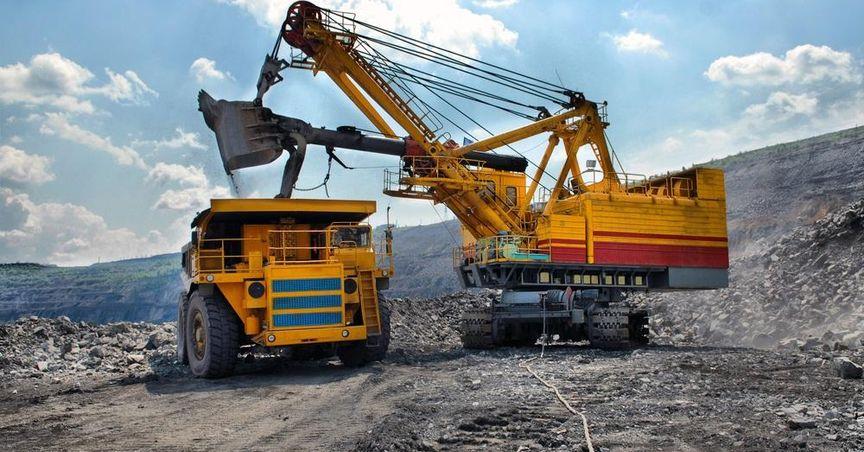
Australia's mining sector remained one of the strongest areas of the share market as commodity demand, operational expansion, and long-term resource development continued to support investor interest across leading and emerging mining companies.
Australia's Mining Industry Continues to Capture Market Focus
The Australian resources sector has continued to remain one of the strongest areas of the domestic share market, with ASX mining shares attracting widespread attention from market participants throughout the latest financial year. Supported by strong commodity demand, expanding resource projects, and ongoing investment in critical minerals, the sector has demonstrated resilience despite changing global economic conditions. Investors following Australian equities also continue to monitor developments across ASX dividend stocks, where several established mining companies remain recognised for consistent shareholder distributions.
Mining remains one of Australia's most influential industries, contributing significantly to exports, employment, and economic growth. Rising global demand for metals required in infrastructure development, renewable energy technologies, and manufacturing continues to shape the outlook for many resource companies.
While commodity prices naturally experience periods of volatility, Australia's diverse mining landscape provides exposure to iron ore, copper, nickel, silver, gold, lead, lithium, and several other strategic resources that continue to support industrial activity worldwide.
Strong Performance Across the Mining Sector
Resource companies delivered notable momentum during the latest financial year, with both established producers and emerging developers benefiting from favourable industry conditions.
Large diversified miners strengthened their operational positions while smaller exploration and development companies continued progressing major projects across Australia.
The mining sector also benefited from increasing global emphasis on electrification, renewable energy infrastructure, battery technology, and long-term supply security for critical minerals.
These structural trends continue encouraging investment across multiple commodity groups rather than concentrating attention on a single resource.
BHP Group Continues to Demonstrate Operational Scale
Diversified Mining Portfolio Supports Growth
BHP Group (ASX:BHP) remains one of Australia's largest diversified mining companies, operating across several major commodities including iron ore, copper, and other essential resources.
Its broad portfolio allows the company to benefit from demand generated by infrastructure investment, manufacturing activity, and the ongoing global energy transition.
Copper continues to receive increasing attention because of its importance in electric vehicles, renewable power generation, transmission networks, and industrial manufacturing.
Iron ore also remains one of Australia's most valuable export commodities, supporting the company's long-established production base.
Financial Strength and Global Operations
The company continues investing in operational efficiency while maintaining disciplined capital management across its international asset portfolio.
Large-scale operations provide diversification across commodities and geographical regions, helping reduce reliance on individual projects.
Expansion initiatives, production optimisation, and ongoing investment in future-facing commodities continue to shape the company's long-term strategy.
Its established presence within the ASX 100 also reflects its importance within the Australian share market.
Nickel Industries Advances Its Integrated Business Model
Exposure to Critical Minerals
Nickel Industries (ASX:NIC) operates within one of the world's increasingly important commodity markets as nickel plays an expanding role in stainless steel production and battery manufacturing.
Growing global interest in electric mobility and energy storage has elevated attention on companies operating throughout the nickel supply chain.
Rather than focusing solely on raw material extraction, the company continues expanding across multiple stages of production.
Diversification Across Operations
Integrated processing capabilities help strengthen operational flexibility while creating exposure to additional stages of the nickel value chain.
Downstream development initiatives also provide broader business diversification compared with companies operating exclusively as miners.
As governments and manufacturers continue seeking reliable supplies of critical minerals, companies participating across several processing stages may benefit from changing industry dynamics.
Nickel demand also remains closely linked with long-term industrial development and advanced manufacturing.
Maronan Metals Progresses Resource Development
Large Multi-Commodity Resource
Maronan Metals (ASX:MMA) continues advancing one of Australia's notable undeveloped mineral projects containing silver, lead, copper, and gold resources.
The combination of multiple commodities provides exposure to several markets rather than relying on a single metal.
Silver remains widely used in electronics, renewable energy technologies, and industrial applications.
Copper continues supporting electrification projects, while gold traditionally maintains significance across financial markets and jewellery demand.
Lead also remains important for several industrial uses.
Development Remains the Key Focus
Resource development typically progresses through several important stages before commercial production begins.
These stages include engineering studies, regulatory approvals, financing arrangements, infrastructure planning, and construction activities.
Advancing through each milestone helps reduce project uncertainty while providing greater operational clarity.
Successful development requires careful planning, technical expertise, environmental management, and ongoing stakeholder engagement.
Why Commodity Diversification Matters
Mining companies with exposure to multiple commodities often benefit from greater operational flexibility.
When demand softens in one commodity, strength in another resource may help balance overall business performance.
Diversified operations also allow companies to participate in several long-term economic themes simultaneously.
These include:
-
Infrastructure development
-
Urbanisation
-
Renewable energy
-
Electric vehicles
-
Industrial manufacturing
-
Technology expansion
Such diversification has become increasingly valuable as global commodity demand continues evolving.
The Growing Importance of Critical Minerals
Critical minerals have become central to modern industrial development.
Governments worldwide continue strengthening supply chains for resources considered strategically important.
Nickel, copper, and several other metals remain essential for battery technologies, renewable energy systems, electrical infrastructure, and advanced manufacturing.
Australia possesses substantial reserves of many of these resources, supporting continued exploration and project development.
This creates opportunities across both established producers and emerging resource developers.
Australia's Competitive Position
Australia remains one of the world's leading mining jurisdictions due to its extensive mineral resources, established regulatory framework, experienced workforce, and export infrastructure.
The country's mining industry continues attracting domestic and international investment across exploration, development, and production.
Strong geological potential also supports ongoing discovery of new resource projects.
Mining companies continue investing in innovation, automation, sustainability initiatives, and operational improvements to enhance long-term efficiency.
Many companies listed on the ASX 300 continue contributing to Australia's position as a major global supplier of essential commodities.
Key Factors Shaping the Mining Industry
Several important themes continue influencing Australia's mining sector:
Commodity Demand
Industrial activity, infrastructure investment, and manufacturing continue driving demand for essential resources.
Energy Transition
Renewable energy expansion requires increasing volumes of copper, nickel, and other critical minerals.
Project Development
Exploration success and project advancement remain important growth drivers for emerging resource companies.
Operational Efficiency
Technology adoption and productivity improvements continue strengthening mining operations across Australia.
Global Supply Chains
Reliable supply of strategic minerals remains an important priority for governments and manufacturers worldwide.
Outlook for Australia's Mining Sector
Australia's mining industry continues evolving alongside changing global economic priorities.
Demand for traditional commodities remains important, while critical minerals increasingly influence future investment decisions.
Established producers continue strengthening operational efficiency, while emerging developers progress significant resource projects toward future production.
With diversified commodity exposure, ongoing project advancement, and continued global demand for essential resources, the sector remains an important contributor to Australia's economy and share market activity.
