
 AUS
AUS
 NZ
NZ
 UK
UK
 CA
CA
 USA
USA
 IND
IND






Highlights
Lithium demand continues to support long-term industry interest.
Pilgangoora remains one of the world's leading hard-rock lithium operations.
Valuation trends are attracting attention across the materials sector.
The PLS share price continues to attract attention as investors assess the company's position in the lithium industry, growing demand for battery materials, and its role within Australia's leading materials sector. Market participants are also watching how valuation trends, production strength, and industry developments could influence future performance.
Understanding the PLS Share Price in the Current Market
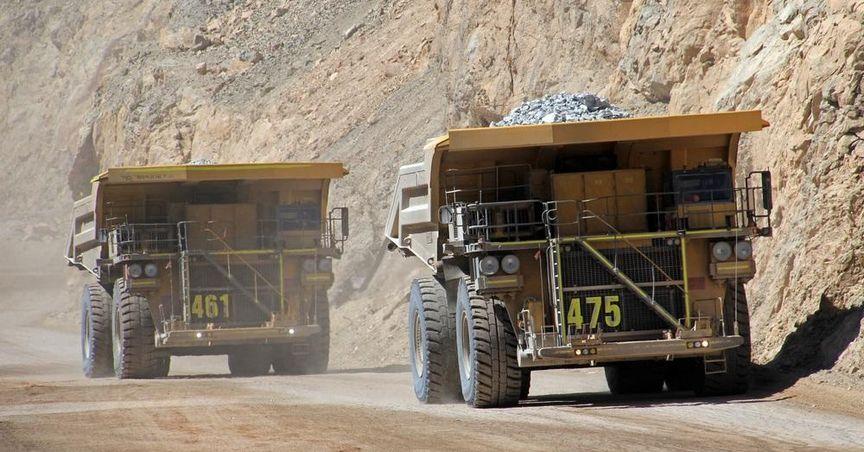
The PLS share price has remained an important topic for investors following Australia's resources sector. Pls Group Ltd (ASX:PLS) operates one of the world's largest independent hard-rock lithium mining operations, placing the company in a strong position within the global battery materials supply chain. As electric mobility, renewable energy storage, and industrial electrification continue expanding worldwide, lithium remains one of the most closely watched commodities across global markets.
Australia continues to play a major role in supplying critical minerals, and lithium has become one of the country's most significant export commodities. Companies operating in this segment are closely monitored because demand for battery materials is supported by structural changes taking place across multiple industries.
The company's presence within the ASX 200 also gives it additional visibility among institutional investors and exchange-traded funds tracking Australia's largest listed businesses.
Why Lithium Continues to Remain an Important Commodity
The Global Energy Transition
Lithium has become an essential ingredient in rechargeable batteries used across several industries. Electric vehicles, renewable energy storage systems, consumer electronics, and industrial battery applications continue driving demand for lithium products worldwide.
Governments across many countries continue encouraging cleaner energy technologies through infrastructure investment, manufacturing incentives, and environmental initiatives. These developments have increased interest in companies involved in battery material production.
Although commodity markets naturally experience cycles, lithium continues to remain strategically important because of its expanding role in modern technology.
Pilgangoora Remains a Key Asset
One of the company's strongest competitive advantages is ownership of the Pilgangoora operation. The project has developed into one of Australia's most recognised lithium mining assets and supplies spodumene concentrate to international customers.
Its large-scale production capability provides operational strength while supporting long-term customer relationships across global battery supply chains.
The company also benefits from supplying customers through both contracted arrangements and market-based sales platforms, providing flexibility within changing market conditions.
Australia's Materials Sector Continues to Attract Attention
Australia has long been recognised for its strong mining industry. Commodities such as iron ore, copper, gold, nickel, and lithium continue supporting both domestic economic activity and international exports.
The materials sector includes many globally recognised producers that contribute significantly to worldwide supply chains.
Companies such as BHP Group Ltd (ASX:BHP) and Rio Tinto Ltd (ASX:RIO) continue expanding investments across commodities linked to future energy technologies while maintaining diversified mining portfolios.
The inclusion of major resource businesses within the ASX 100 highlights the importance of mining companies within Australia's equity market.
What Makes Lithium Different From Traditional Commodities?
Unlike many traditional commodities, lithium demand is closely linked with technological innovation.
Battery manufacturing continues expanding as industries seek cleaner transport solutions and improved energy storage. Every advancement within battery technology increases interest across the lithium supply chain.
This creates a unique market environment where industrial growth, technological adoption, and environmental policies all contribute to long-term demand.
Although pricing can fluctuate over shorter periods, lithium remains one of the most strategically important resources supporting global electrification.
Understanding Valuation Trends
Investors often examine valuation metrics when comparing companies across different market cycles.
One commonly monitored measure is the relationship between company revenue and market valuation. Historical comparisons may indicate whether market expectations have changed over time.
Valuation analysis alone does not determine future performance. Instead, it provides another perspective alongside production capability, operational efficiency, financial strength, industry outlook, and market conditions.
For resource companies, commodity prices also remain an important factor influencing financial performance.
Why Production Scale Matters
Large-scale mining operations can provide several operational advantages.
These may include:
-
Greater production efficiency.
-
Improved infrastructure utilisation.
-
Long-term customer relationships.
-
Better operational flexibility.
-
Stronger market positioning.
Scale can also assist companies when managing operational costs during changing commodity price environments.
Pilgangoora's size has contributed to the company's recognition as one of Australia's leading lithium operations.
The Growing Importance of Battery Materials
Battery materials have become increasingly important across multiple industries.
Electric transportation continues expanding globally while renewable energy systems require efficient storage solutions. Consumer electronics, industrial equipment, telecommunications infrastructure, and advanced manufacturing also rely on rechargeable battery technologies.
Lithium sits at the centre of many of these applications.
As battery production expands worldwide, attention remains focused on companies supplying raw materials needed throughout the manufacturing process.
Industry Trends Supporting Long-Term Interest
Several broader themes continue supporting interest in Australia's lithium producers.
Expansion of Electric Vehicles
Automotive manufacturers continue increasing electric vehicle production across international markets.
Renewable Energy Growth
Solar and wind projects require battery storage systems to improve energy reliability.
Energy Storage Innovation
Advancements in battery technologies continue creating additional industrial demand.
Supply Chain Diversification
Many countries continue seeking reliable sources of critical minerals, strengthening Australia's position within global supply chains.
Income Versus Growth Characteristics
Mining companies are frequently recognised for shareholder distributions during periods of strong commodity markets.
However, every company follows its own capital allocation strategy.
Some businesses prioritise operational expansion, exploration, infrastructure investment, or financial flexibility depending on market conditions.
This highlights why investors often evaluate each mining company individually rather than applying broad assumptions across the entire sector.
Readers interested in income-focused opportunities can also explore ASX dividend stocks to better understand companies recognised for regular shareholder distributions.
The Role of Market Indices
Being included within major Australian share market indices increases a company's visibility among institutional investors.
Many investment funds benchmark their portfolios against recognised market indices, resulting in greater market participation for companies included within those benchmarks.
The company's inclusion within the ASX 300 further reflects its relevance within Australia's listed resources sector.
Factors Investors Continue Watching
Several developments may continue influencing market attention.
Global Lithium Demand
Growth across battery manufacturing remains an important industry indicator.
Commodity Pricing
Lithium prices continue influencing revenue across producers.
Operational Performance
Production efficiency and project execution remain closely monitored.
Customer Relationships
Long-term supply arrangements provide greater business visibility.
Industry Expansion
Increasing investment across battery manufacturing may continue supporting broader sector activity.
Australia continues strengthening its position as a leading supplier of critical minerals, with lithium remaining central to the global energy transition. Strong mining assets, established production capabilities, and growing demand for battery materials continue placing the company among the most closely watched businesses within the Australian materials sector.
While commodity markets naturally experience periods of volatility, long-term structural demand for lithium continues attracting attention from market participants following Australia's mining industry. Operational scale, strategic resource ownership, and participation in global battery supply chains remain important themes shaping ongoing interest in the company and the broader materials sector.
