
 AUS
AUS
 NZ
NZ
 UK
UK
 CA
CA
 USA
USA
 IND
IND


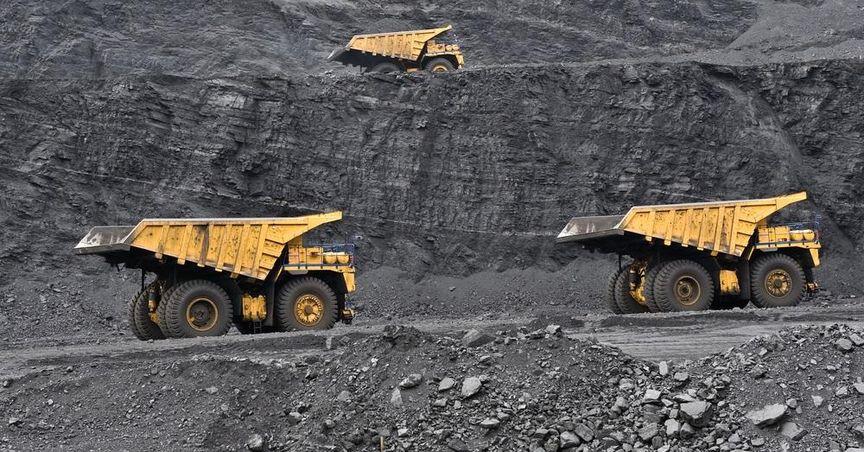





Highlights
Sandfire Resources remains focused on copper production and mining operations.
Lynas Rare Earths maintains a significant position in rare-earth materials supply.
Iluka Resources combines mineral sands operations with rare-earth processing activities.
Sandfire Resources, Lynas Rare Earths and Iluka Resources provide exposure to copper, rare earths and mineral sands, supporting strategic materials supply across global industries.
Metal and mining companies involved in copper, rare earths and mineral sands remain an important part of modern industrial supply chains. These materials support manufacturing activity, transport systems, energy infrastructure, electronics production and advanced technology applications. Across Australian equity markets, strategic materials producers continue attracting attention because of their connection to industrial development and supply-chain diversification initiatives. Companies operating in these areas remain associated with evolving demand patterns linked to infrastructure development, manufacturing activity and resource security. Several operators are represented within ASX 200, reflecting their participation in major Australian market benchmarks.
Among the notable names in this segment are Sandfire Resources (ASX:SFR), Lynas Rare Earths (ASX:LYC) and Iluka Resources (ASX:ILU). Each business operates within a distinct part of the resources sector while contributing to broader industrial supply chains. Their activities span copper production, rare-earth processing and mineral sands operations, creating exposure to materials widely used across multiple industries. These companies continue participating in mining, processing, refining and supply-chain activities supporting domestic and international markets.
The strategic materials sector remains closely connected to manufacturing ecosystems, industrial infrastructure, transport networks and technology development. Resource companies operating in this space frequently participate in discussions involving supply-chain resilience, production capability, refining infrastructure and industrial resource availability.
Corporate reporting within the sector often references mining operations, processing facilities, logistics capabilities, project development activities and resource management frameworks. These operational themes continue shaping discussions involving critical minerals and industrial metals.
Australian resource companies maintain visibility throughout domestic and international markets because of their participation in commodity supply chains supporting industrial applications. Several businesses continue interacting with manufacturing environments, infrastructure projects and technology-related activities through established operational platforms.
Copper Remains Central to Modern Industrial Activity
Copper continues playing an important role across industrial systems because of its conductivity, durability and broad range of applications. The material is widely used in electrical infrastructure, construction activity, transportation equipment and industrial manufacturing processes. Resource companies involved in copper production remain important participants within supply chains supporting modern industrial activity.
Sandfire Resources continues operating within the copper segment through mining activities linked to industrial and infrastructure applications. Copper remains a widely used material across domestic and international manufacturing environments, supporting numerous industrial processes and operational frameworks.
Mining operators involved in copper production frequently engage with transportation networks, processing facilities, refining systems and logistics operations. These activities help connect extracted resources with manufacturing and industrial end users across multiple jurisdictions.
The copper sector remains associated with project development activities, operational efficiency initiatives and resource management frameworks. Mining companies frequently discuss production activities, processing systems and operational improvements supporting resource extraction and supply-chain participation.
Industrial demand for copper remains connected to manufacturing environments, infrastructure deployment and equipment production activities. Resource producers continue participating in these supply chains through mining operations and material processing frameworks.
Copper operations also remain linked to broader resource-sector discussions involving logistics, refining infrastructure and export activity. Mining businesses continue maintaining visibility because of their role in supporting industrial materials supply.
Corporate communication released by copper producers often references operational performance, mining activities, resource development and processing frameworks. These themes remain relevant throughout discussions involving industrial metals and manufacturing supply chains.
The broader resources sector frequently intersects with benchmark discussions involving asx all ords, highlighting the continuing importance of industrial metals within Australian equity markets.
Rare Earth Materials Maintain Strategic Importance
Rare earth materials continue attracting attention because of their use in industrial equipment, advanced manufacturing processes and technology applications. These materials are incorporated into a variety of products supporting transportation, electronics, industrial machinery and specialised manufacturing activities.
Lynas Rare Earths remains one of the better-known participants within the rare-earth materials sector. The company continues operating within mining and processing activities associated with these specialised materials. Rare-earth production remains an important component of supply chains supporting industrial manufacturing and technology-related applications.
Processing capabilities remain an important element within the rare-earth sector because extracted materials require refinement before reaching manufacturing environments. Companies operating in this segment frequently discuss production systems, refining activities and operational frameworks supporting material availability.
Rare-earth supply chains involve mining operations, processing facilities, transportation networks and industrial manufacturing participants. These interconnected systems contribute to the movement of materials from extraction through to industrial applications.
Corporate reporting throughout the rare-earth segment often references operational activities, processing capability, resource management and production infrastructure. These themes continue shaping discussions involving strategic materials and industrial manufacturing systems.
Industrial participants continue monitoring rare-earth supply-chain developments because these materials support a wide variety of manufacturing applications. Processing infrastructure remains a notable component of discussions involving resource availability and industrial participation.
Mining and processing operators maintain visibility through their participation in resource extraction and material preparation activities. Rare-earth producers continue supporting industrial ecosystems through established operational frameworks and refining capabilities.
The strategic materials sector also remains connected to broader benchmark participation involving ASX 300, where resource companies contribute to overall market representation and sector diversity.
Mineral Sands and Processing Activities Support Industrial Supply Chains
Mineral sands operations remain an important component of the Australian resources sector. These materials support industrial manufacturing, specialised processing activities and downstream industrial applications. Companies operating in this segment continue participating in extraction, processing and resource management activities supporting domestic and international markets.
Iluka Resources remains associated with mineral sands production while also participating in processing-related activities connected to strategic materials. Mineral sands operations continue contributing to industrial supply chains through extraction and material preparation processes.
Mining businesses operating in this segment frequently discuss operational continuity, processing capability, logistics infrastructure and resource management systems. These activities support the movement of materials through industrial supply chains and manufacturing ecosystems.
Processing infrastructure remains closely linked to mineral sands operations because extracted materials frequently undergo additional treatment before reaching industrial end users. Companies continue participating in these value chains through operational facilities and processing frameworks.
The mineral sands sector remains associated with transportation systems, export infrastructure and industrial resource management. Resource operators continue interacting with manufacturing environments through established supply-chain participation.
Corporate communication involving mineral sands businesses often references operational activities, production frameworks, logistics systems and processing infrastructure. These themes remain central throughout discussions involving industrial materials and resource-sector participation.
Industrial ecosystems continue relying upon material availability, transportation networks and operational continuity systems supporting resource supply. Mining operators maintain visibility through participation in these interconnected environments.
Resource companies participating within mineral sands and processing activities also remain linked to broader market themes involving industrial development, manufacturing activity and supply-chain diversification initiatives.
Resource Sector Participation Across Australian Markets
The Australian resource sector continues maintaining a significant presence within equity markets because of its contribution to industrial supply chains, export activity and resource development initiatives. Mining and processing companies frequently participate in discussions involving commodity production, operational efficiency and infrastructure capability.
Resource operators continue interacting with domestic and international markets through mining activities, transportation systems and processing facilities. These activities support material availability across manufacturing, industrial and technology-related environments.
Corporate communication released by mining companies often references production activities, logistics networks, operational management systems and resource development programs. These themes remain relevant throughout the broader resources sector.
Industrial materials continue supporting manufacturing ecosystems, construction activity, transportation systems and specialised industrial applications. Resource companies maintain visibility because of their participation within these supply chains and operational frameworks.
Mining operations also remain associated with infrastructure development, processing capability and logistics management. Companies continue interacting with industrial ecosystems through extraction, transportation and material preparation activities.
The resources sector frequently intersects with broader discussions involving export activity, industrial development and supply-chain diversification. Mining businesses remain connected to these themes through operational participation and resource availability initiatives.
Benchmark-linked investment activity often includes exposure to mining and processing companies participating within strategic materials sectors. Resource businesses remain represented across major Australian equity benchmarks because of their contribution to industrial supply chains and commodity production.
Discussions involving resource-sector participation occasionally overlap with broader market topics, including sectors associated with ASX dividend stocks, demonstrating the diversity of companies represented across Australian markets.
Mining and processing operators continue participating in resource extraction, industrial supply chains and manufacturing ecosystems. Sandfire Resources, Lynas Rare Earths and Iluka Resources remain connected to copper, rare earths and mineral sands activities that support industrial applications, processing infrastructure and resource availability across domestic and international markets.
