
 AUS
AUS
 NZ
NZ
 UK
UK
 CA
CA
 USA
USA
 IND
IND







Highlights
Mining sector comparison draws attention within ASX 200.
BHP remains a central figure in Australian resource benchmarks.
Sector dynamics reflect broader trends across major ASX indices.
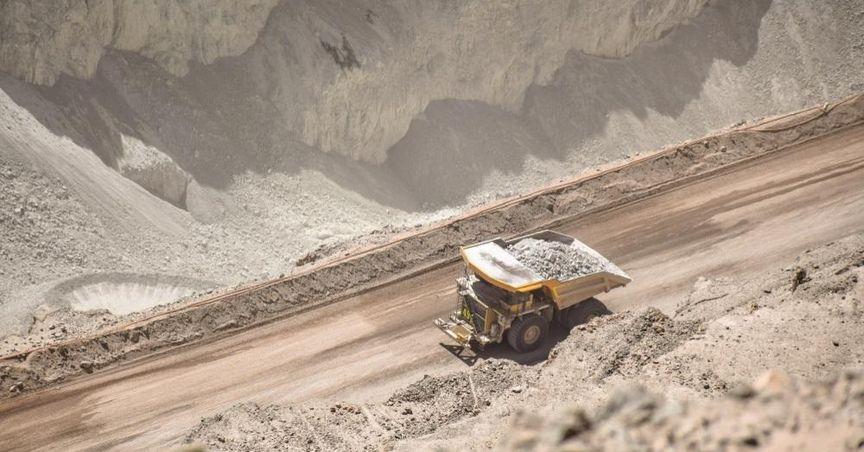
BHP remains central to ASX 200 mining discussions, reflecting the influence of diversified resource companies within major Australian indices.
Australia’s mining and resources sector remains a defining force within the ASX stock market, shaping the composition of major benchmarks such as the ASX 200, ASX 100, and the All Ordinaries. Large diversified miners, alongside emerging resource developers, contribute significantly to index weightings and daily market activity. Within this landscape, attention has recently centred on BHP Group Ltd, a leading participant in the global mining industry.
BHP Group Ltd (ASX:BHP) continues to represent a substantial component of the Australian equity framework. As one of the most recognised names within ASX mining stocks, BHP operates across commodities including iron ore, copper, coal, and other essential resources. Its scale and diversified asset portfolio position it as a benchmark reference point when market participants compare performance across resource-focused companies listed within the ASX 200.
Mining Sector Structure Within the ASX 200
The mining industry forms a considerable segment of the ASX 200, reflecting Australia’s longstanding role as a major exporter of raw materials. Companies operating in this space range from diversified global producers to specialised exploration firms targeting specific commodities. Their activities influence employment, infrastructure development, and trade flows.
BHP’s operations extend across multiple continents, encompassing integrated mining, processing, and distribution networks. This diversified structure contributes to its prominence within the ASX 100 and broader market indices. The company’s exposure to iron ore and copper aligns with global demand for construction materials, renewable infrastructure inputs, and industrial manufacturing.
Within the ASX 200, sector comparisons often arise between established diversified miners and other resource entities with different commodity exposure or operational scale. Such comparisons highlight distinctions in asset mix, production footprint, and capital allocation strategies. While diversified miners maintain broad commodity portfolios, some companies concentrate on specific metals linked to technological or energy transition themes.
The mining segment’s weighting within the ASX ordinaries stocks category reinforces its influence on overall market direction. Daily fluctuations in major mining stocks frequently impact index levels, particularly when driven by global commodity trends or macroeconomic developments.
Commodity Exposure and Operational Footprint
BHP’s diversified commodity exposure underpins its position within the global mining sector. Iron ore remains a central component of its portfolio, supporting steel production worldwide. Copper assets contribute to electrical infrastructure, renewable energy installations, and electric vehicle manufacturing. Coal operations address metallurgical requirements for steelmaking, while other resource segments provide additional revenue streams.
Comparisons within the ASX 200 mining segment often examine differences in commodity mix. Companies with concentrated exposure to a single commodity may experience performance patterns distinct from diversified producers. This contrast shapes broader discussion within the mining landscape, particularly when commodity cycles shift or demand patterns evolve.
The Australian mining sector also intersects with global supply chains. Infrastructure development, urbanisation, and technological adoption influence commodity consumption. BHP’s international footprint allows participation in multiple geographic markets, adding complexity to its operational profile.
Across the ASX stock market, mining companies frequently appear among the largest constituents of leading indices. Their capital expenditure programs, project pipelines, and operational updates attract considerable attention within the broader investment community.
Sector Comparisons and Market Positioning
Within the ASX 200, sector comparisons occasionally focus on contrasting operational strategies between diversified majors and other resource participants. While BHP maintains a broad commodity base, other mining entities may prioritise targeted exploration or development initiatives. These structural differences influence corporate reporting, capital allocation, and project timelines.
Mining companies also feature prominently among ASX dividend stocks, reflecting established distribution practices across certain segments of the sector. Dividend policies vary depending on commodity exposure, production stability, and capital expenditure commitments. Such characteristics contribute to distinctions among resource-focused companies within the index.
The broader mining ecosystem includes upstream exploration, midstream processing, and downstream logistics. This integrated structure supports Australia’s export economy and reinforces the mining sector’s representation within benchmarks such as the ASX 200 and All Ordinaries. Sector rotation within the equity market often highlights shifts in attention between mining, financials, healthcare, and technology industries.
In addition to diversified giants like BHP, the ASX hosts a range of mid-tier and junior miners. These companies may focus on emerging commodities linked to battery technology or renewable infrastructure. Their presence broadens the resource segment’s scope and contributes to ongoing comparisons within the ASX 200 framework.
Broader Index Dynamics and Resource Sector Influence
The performance of major mining companies frequently shapes movements across Australian equity indices. Given their substantial weightings, shifts within large resource stocks can influence aggregate benchmark readings. The ASX 200, ASX 100, and All Ordinaries often reflect commodity-driven momentum due to the prominence of mining enterprises.
BHP’s position within these indices underscores the scale of its operations and its contribution to overall market capitalisation. Movements within diversified mining companies can offset or amplify trends in other sectors such as financials or healthcare.
Sector diversity within the ASX ordinaries stocks ensures that resource activity interacts with developments across multiple industries. While mining remains a dominant theme, the Australian market also encompasses financial institutions, consumer companies, industrial manufacturers, and healthcare providers.
The resource sector’s integration into global supply chains further enhances its influence within the Australian equity environment. Demand for construction materials, renewable energy components, and industrial metals continues to shape operational priorities across mining companies. Within this context, BHP maintains its position as a reference point in discussions concerning sector comparisons inside the ASX 200.
