
 AUS
AUS
 NZ
NZ
 UK
UK
 CA
CA
 USA
USA
 IND
IND






Highlights
- A flagged decline in copper output from a flagship overseas mine has put supply firmly in view.
- A brief work stoppage at a Pilbara port added to the pressure on the heavyweight diggers.
- China's premium for imported copper firmed, underscoring how tight the red metal has become.
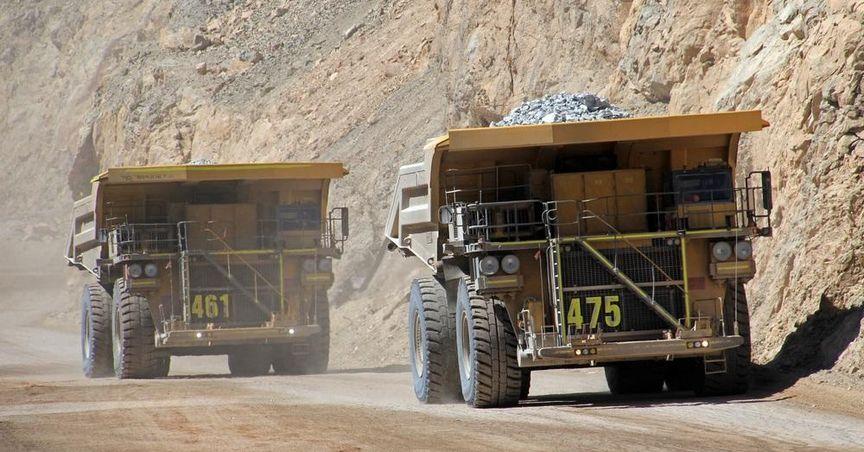
Copper has quietly become one of the most closely watched storylines across the Australian resources scene, and this week it moved to the front of the queue. BHP Group (ASX:BHP), the diversified mining giant that ranks among the world's largest producers of the red metal, flagged that output from its flagship Chilean operation could ease meaningfully next year as ore grades decline. The warning lands at a time when demand for copper is being underpinned by electrification, grid upgrades and construction, leaving the market unusually sensitive to any hint that fresh supply may fall short.
Grades slip at a flagship mine
The heart of the story is a familiar mining challenge made suddenly urgent. At one of the world's premier copper deposits, the quality of ore being pulled from the pit is gradually thinning, which means more rock must be processed to yield the same volume of metal. That declining grade profile prompted a cautious outlook on near-term output, sending a jolt through a market that had been counting on steady supply from the majors.
Copper occupies a peculiar spot in the commodity world. It is both an industrial workhorse and a barometer for the energy transition, since electric vehicles, renewable power and modern grids all lean heavily on it. When a producer of this scale signals softer output, the read-through extends well beyond a single balance sheet, touching the entire supply narrative that underpins the metal's long-term story.
A port stoppage adds to the strain
As if the grade warning were not enough, a brief work stoppage at a major Pilbara iron ore port added another layer of pressure on the heavyweight diggers. Even short interruptions at critical export nodes can ripple through shipping schedules and remind the market how finely tuned the logistics chain has become. The episode weighed on sentiment across the materials complex at a moment when patience was already thin.
Sandfire Resources (ASX:SFR), a dedicated copper-focused producer with operations spanning multiple continents, offers a cleaner read on the red metal than the diversified giants whose earnings are spread across many commodities. For pure-play names like this, a tightening supply picture and firmer pricing feed directly into the outlook, making them a useful gauge of how the copper theme is playing out on the local bourse.
China's premium tells a story
One of the more telling signals came from China, where the premium paid for imported copper firmed to levels not seen in some time. That premium reflects how eager buyers are to secure physical metal, and a rising figure typically points to tightening availability. When the world's largest consumer of copper is willing to pay up, it underlines just how snug the balance between supply and demand has become.
The premium matters because it strips away some of the noise in headline pricing and focuses on the physical market. Financial flows can push futures around in the short term, but a firming physical premium speaks to genuine appetite for metal here and now, which is exactly the kind of signal producers watch when planning output and capital spending.
Why supply is so hard to grow
Copper's supply story is notoriously stubborn. New deposits are increasingly found in remote or challenging locations, permitting can stretch across many years, and the capital required to bring a large mine into production is enormous. Add declining grades at established operations, and the industry faces a slow grind just to keep output flat, let alone grow it to meet rising demand.
Those tracking the theme have been combing through the wider field of ASX Metal & Mining Stocks to understand which producers are best placed as the supply squeeze tightens, from the diversified majors to the focused copper plays and the explorers hoping to prove up the next generation of deposits. The dispersion in outcomes can be wide, which keeps the sector interesting.
Demand keeps knocking
On the other side of the ledger, demand shows little sign of fading. The electrification of transport, the build-out of renewable generation and the constant upgrading of ageing power grids all lean on copper in large quantities. Data centres and the broader digital economy add another layer of appetite. Against that backdrop, even modest supply disappointments carry outsized weight.
This tension between constrained supply and durable demand is what makes copper such a compelling watch. It is not a story that resolves in a single quarter; rather, it unfolds over years as mines age, projects slip and consumption climbs. The current warnings simply bring that long arc into sharper focus.
The diversified cushion
For the diversified giants, copper is only one thread in a broader tapestry that also includes iron ore and other materials. That spread can soften the blow when any single commodity wobbles, but it also means the market must parse how much a copper warning really moves the needle for a business with many moving parts. The pure-play producers, by contrast, offer a more direct line to the red metal's fortunes.
Either way, the message from this week is clear enough. The copper market is entering a phase where supply growth looks increasingly hard-won, and the majors are openly acknowledging the strain. That combination keeps the red metal, and the diggers that produce it, near the top of the watch list across the Australian resources landscape.
The road ahead
Recycling enters the equation
As primary supply grows harder to expand, attention has turned to the role of recycled copper in meeting demand. Scrap metal recovered from old wiring, cabling and equipment can supplement freshly mined material, easing some of the pressure on the primary market. Yet recycling has its own constraints, from collection logistics to the quality of recovered metal, and it cannot fully substitute for new mine supply.
The interplay between primary and secondary supply adds nuance to the copper story. A higher price can make recycling more economic, drawing additional scrap into the market, but building the infrastructure to process it at scale takes time. For now, the world still leans heavily on the diggers to deliver the bulk of the metal it consumes.
Smelting and refining bottlenecks
Beyond the mine gate, the process of turning copper ore into usable metal has its own pinch points. Smelting and refining capacity is concentrated and expensive to build, and any tightness there can ripple through to the availability of finished metal. The charges levied for processing offer another window into how balanced or strained the market has become.
These midstream dynamics often escape the headlines, which tend to fixate on the mine and the price. Yet they matter enormously to how copper actually reaches the manufacturers who depend on it. A squeeze anywhere along that chain, from pit to refinery, can leave its mark on the market.
From here, attention turns to how producers respond to thinning grades, whether fresh projects can be brought online at pace, and how Chinese demand evolves through the year. The physical premium, port throughput and any further guidance from the majors will all feed the narrative. For a metal so central to the modern economy, every one of those signals carries meaning far beyond the mine gate.
