
 AUS
AUS
 NZ
NZ
 UK
UK
 CA
CA
 USA
USA
 IND
IND







Highlights
Iron ore remains central to Australia’s mining and export ecosystem.
BHP, Rio Tinto, and Champion Iron represent major ASX-listed iron ore producers.
Steel demand, global trade flows, and industrial activity shape sector dynamics.
ASX iron ore stocks BHP, RIO, and CIA reflect large-scale mining operations, global steel demand links, and resource-driven economic activity across international markets.
Metal and mining stocks on the Australian Securities Exchange form a foundational part of the national economy, with iron ore standing as a key contributor to export earnings and industrial supply chains. Across indices such as ASX 200, iron ore producers represent some of the largest and most influential companies within the market. These businesses operate extensive mining assets and logistics networks that support global steel production.
BHP Group (ASX:BHP), Rio Tinto (ASX:RIO), and Champion Iron (ASX:CIA) are among the most recognised names within this segment. Their operations span extraction, processing, and distribution of iron ore, connecting Australian and international resources to steel manufacturing industries worldwide.
Iron ore plays a critical role in infrastructure development, construction, and manufacturing. Its importance within the mining sector reflects the broader link between natural resources and industrial activity, positioning iron ore companies at the centre of economic systems.
BHP Group and Diversified Mining Operations
BHP Group operates as one of the largest diversified mining companies globally, with a significant focus on iron ore production alongside other commodities. The company’s mining operations include large-scale extraction sites supported by advanced infrastructure and logistics systems.
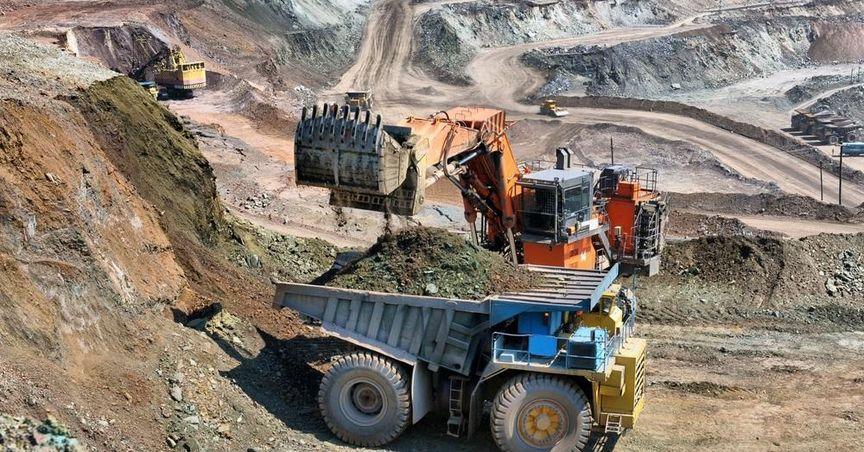
Iron ore extraction involves mining ore deposits, processing raw materials, and transporting refined products to export terminals. BHP Group manages these processes through integrated operations that connect mines with rail networks and shipping facilities.
The company’s activities extend beyond iron ore, incorporating other commodities such as copper. This diversification reflects the interconnected nature of mining operations, where multiple resources contribute to industrial supply chains.
BHP Group’s scale enables participation in global markets, supporting the supply of raw materials used in steel production and other industrial applications. The company’s operations illustrate how large mining entities coordinate complex processes across multiple regions.
Rio Tinto and Multi-Commodity Exposure
Rio Tinto operates a diversified portfolio that includes iron ore, aluminium, and copper production. Iron ore remains a central component of its operations, supported by large mining assets and export infrastructure.
Mining processes at Rio Tinto involve extraction of ore, processing into usable forms, and transportation to global markets. The company’s logistics networks facilitate the movement of materials from mining sites to ports, ensuring consistent supply.
Aluminium and copper production complement iron ore operations, contributing to a broader resource portfolio. These commodities support various industries, including construction, energy, and manufacturing.
Rio Tinto’s operations demonstrate how diversified mining companies manage multiple resource streams within a unified framework. The integration of different commodities reflects the complexity of global mining activities. The company’s role within the iron ore sector highlights the importance of large-scale production and distribution capabilities.
Champion Iron and High-Grade Production
Champion Iron operates as a focused iron ore producer, specialising in high-grade ore extraction. High-grade iron ore contains a higher concentration of iron, which is used in steelmaking processes that require specific material qualities.
The company’s mining operations are based in Canada, where ore deposits are extracted and processed into premium products. These products are then transported to international markets, supporting steel manufacturing industries.
High-grade iron ore is associated with efficiency in steel production, as it requires less processing compared to lower-grade materials. This characteristic contributes to its relevance within industrial applications.
Champion Iron’s operations highlight the role of specialised producers within the broader mining sector. While larger companies operate diversified portfolios, focused producers contribute through targeted production of specific resource types. The company’s activities demonstrate the diversity of approaches within the iron ore industry.
Market Forces and Steel Demand Dynamics
Iron ore demand is closely linked to steel production, which in turn is influenced by infrastructure development, construction activity, and industrial output. These factors contribute to fluctuations in demand across global markets.
The broader asx all ords reflects the performance of companies across sectors, including mining and resources. Within this framework, iron ore producers represent a segment tied to global commodity cycles.
China plays a significant role in steel production, influencing global demand for iron ore. Changes in industrial activity within major economies can affect supply and demand dynamics within the sector.
Currency movements, trade policies, and economic conditions also contribute to variations in iron ore markets. These elements shape the environment in which mining companies operate. Iron ore remains a key input for infrastructure projects, reinforcing its importance within global economic systems.
Structure of Iron Ore Operations and Industry Participation
Iron ore companies operate across a value chain that includes exploration, extraction, processing, and transportation. Each stage requires coordination between technical processes and logistical systems.
The inclusion of mining companies within categories such as ASX dividend stocks reflects the diversity of industries represented on the exchange. While not all mining companies distribute dividends consistently, their presence highlights the range of business models within the market.
Operational activities involve managing large-scale equipment, maintaining mining sites, and ensuring compliance with environmental and regulatory standards. These processes support sustainable resource extraction and supply.
Indices such as ASX 300 include a wide range of companies, with mining stocks forming a significant component. Their contributions to exports and industrial supply chains underscore their role within the broader economy.
Iron ore production remains integral to global manufacturing systems, linking natural resource extraction with industrial output and infrastructure development.
