
 AUS
AUS
 NZ
NZ
 UK
UK
 CA
CA
 USA
USA
 IND
IND







Highlights
Conrad Asia Energy continues expanding its operational direction within the natural-gas development segment across Southeast Asian regions.
Project activity reflects ongoing field work, partnership frameworks and multi-phase development planning.
The company remains active in appraisal, advancement and coordination of gas-sector initiatives aligned with wider regional energy requirements.
Conrad Asia Energy advances offshore gas development through regional appraisal, regulatory coordination and project-planning activity within the All Ordinaries energy environment.
The energy sector remains central to regional industrial development, particularly across markets that rely on natural gas for electricity generation, industrial supply and commercial application. Companies involved in this sector manage exploration, appraisal, project advancement, field development and regulatory engagement across multiple jurisdictions. Within this broad energy environment, Conrad Asia Energy is classified under the All Ordinaries index, positioning it within a diverse group of Australian-listed entities contributing to domestic and international energy activities. The sector connects closely with the broader ASX stock market framework, where energy initiatives support structural economic requirements across multiple regions.
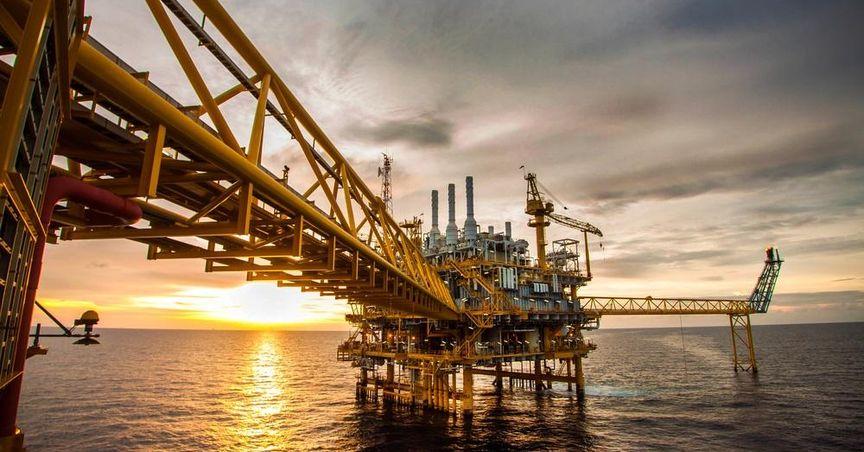
Conrad Asia Energy (ASX:CRD) operates within the natural-gas development segment, focusing on project areas located across Southeast Asian waters. The company’s strategic approach revolves around developing offshore gas fields, negotiating offtake discussions, coordinating environmental and regulatory frameworks and advancing technical work programmes supporting future development phases.
Gas-Sector Dynamics, Project Foundations and Regional Energy Significance
Natural gas represents a central component of the energy mix for many Southeast Asian nations, providing fuel for power generation, industrial use and domestic consumption. Regional governments often rely on stable gas supply to support economic growth, maintain energy security and reduce exposure to volatile supply chains involving imported fuels. Within this landscape, companies involved in gas development contribute to national strategies seeking long-horizon energy stability.
Conrad Asia Energy’s portfolio includes offshore gas-field interests situated within regional basins known for hydrocarbon accumulation. These basins are shaped by tectonic processes over geological timeframes, creating stratigraphic traps, structural closures and natural features that store substantial gas volumes. The company’s activities reflect engagement with established basins featuring a history of petroleum exploration.
The development of offshore gas fields involves multiple operational stages. These include geological evaluation, seismic surveying, well appraisal, reservoir assessment, engineering studies, regulatory submission, environmental approvals, offtake negotiation and future infrastructure planning. Each phase must align with government frameworks, environmental protocols and multi-agency review processes.
Offshore gas-field progression requires collaboration with national authorities, energy agencies, local communities and downstream infrastructure partners. Companies must integrate regional development priorities with project-specific technical frameworks, ensuring alignment with national energy objectives. Conrad Asia Energy’s initiatives reflect this collaborative requirement through ongoing engagement with regulatory bodies and domestic stakeholders.
Natural-gas development also intersects with broader industrial sectors. Downstream industries relying on gas include manufacturing, petrochemicals, transport services, export terminals and power-generation facilities. As a result, gas-field development contributes to industrial growth, economic expansion and regional employment structures. While the company’s core focus lies upstream, its projects influence broader value chains.
The company’s work also indirectly interacts with themes across other ASX-listed sectors, including logistics, infrastructure and service providers. This cross-sector relationship parallels patterns observed within ASX mining stocks, where upstream development can trigger downstream economic pathways and industry involvement. Although the resources differ, structural similarities exist between mining and offshore gas development in terms of regulatory complexity, environmental considerations and multi-phase timelines.
Appraisal activities at offshore gas fields help determine reservoir characteristics, including gas distribution, rock properties, flow behaviour and structural extents. These insights guide future development decisions across well placement, subsea infrastructure design and field-facility engineering. Conrad Asia Energy’s ongoing evaluation frameworks contribute to advancing the technical understanding of its project areas.
Environmental management forms a major element of regional gas-field development. Offshore operators must conduct impact assessments, environmental-baseline surveys, marine-ecology studies and biodiversity evaluations before large-scale activity can progress. National environmental agencies review submissions throughout the process to ensure compliance.
This multi-layered operational environment demonstrates the complexity underlying offshore gas-sector development and the significance of companies participating in this regional energy transformation.
Project-Development Pathways, Appraisal Activities and Regulatory Alignment
Offshore gas-project development typically follows structured frameworks accepted across international hydrocarbon industries. Conrad Asia Energy’s progression reflects this sequence, involving appraisal drilling, field definition, feasibility studies, commercial negotiation and eventual field-development planning. Each stage must comply with national petroleum legislation and offshore resource-management policies.
Appraisal activity helps refine field understanding. Subsurface teams interpret reservoir data using seismic imagery, geological modelling, core sampling and production testing. This analysis produces updated reservoir models illustrating how gas is distributed through the field. These insights support later decisions regarding well locations, infrastructure layout and projected field behaviour under future development scenarios.
The development phase often includes technical studies across subsea architecture, platform design, flowline routing, pipeline integration, gas-processing requirements and export-route selection. Engineering specialists evaluate multiple configurations to determine the most suitable conceptual design. This work must incorporate environmental, technical, commercial and regulatory constraints.
Collaboration with government departments is central to offshore gas development. National authorities oversee licensing frameworks, environmental approval processes, resource-management guidelines and fiscal arrangements governing hydrocarbon extraction. Companies must maintain consistent communication with regulators to ensure procedural compliance across each development stage.
The regulatory environment emphasises adherence to environmental standards, safe operational practices and transparent resource reporting. This includes continuous oversight regarding marine-habitat impacts, emissions management, water-quality protection and maritime-activity regulation. Conrad Asia Energy participates within these regulatory structures through formal submissions, environmental studies and development-planning materials.
Offtake discussions represent an important component of commercial alignment. Domestic utilities, industrial customers, power plants and regional buyers engage in negotiations concerning gas allocation and long-duration supply planning. These discussions influence future infrastructure decisions and play a significant role in national energy-security planning.
Gas-field development also involves coordination with infrastructure partners responsible for pipelines, processing facilities, compression systems and receiving terminals. These downstream elements require synchronisation with upstream development timelines to ensure cohesive field-start frameworks. Conrad Asia Energy’s involvement includes engagement with potential partners capable of supporting midstream and downstream infrastructure needs.
The company’s activity reflects the progressive nature of offshore development, where careful planning, regulatory coordination and technical evolution combine to shape each project milestone. This approach aligns with the energy-sector norms observed across the ASX ordinaries stocks category, where many resource-focused companies maintain multi-phase operational pathways linked to exploration, appraisal and project execution.
Financial Structure, Operational Expenditure and Corporate Positioning in the Gas Sector
Offshore gas development demands disciplined financial structures supporting ongoing operational activity. Companies typically allocate expenditure across seismic acquisition, geological evaluation, environmental assessment, engineering studies, drilling activity, regulatory submission and commercial arrangement preparation. Conrad Asia Energy’s allocation strategies reflect these standard industry requirements.
Operational expenditure patterns vary depending on development stage. Early phases emphasise geological evaluation, seismic reinterpretation and regulatory negotiation. Middle stages require increased investment in engineering studies, appraisal planning and stakeholder consultation. Later stages involve higher spending levels due to drilling activity, infrastructure analysis and pre-development planning.
Financial discussions often focus on cash levels, expenditure pacing, investment strategy, operational allocation and funding arrangements required to support multi-stage development programs. These factors shape the company’s ability to maintain momentum across long-duration project frameworks.
Energy companies frequently explore partnership options to optimise capital allocation and share development responsibilities. Joint-venture structures are common within the offshore gas environment due to high infrastructure requirements and broad logistical needs. Such partnerships contribute to resource sharing, technical collaboration, operational risk allocation and commercial coordination.
Conrad Asia Energy’s corporate positioning within this sector reflects typical patterns associated with upstream-focused gas developers. Its operational priorities include aligning capital deployment with project milestones, maintaining supportive balance-sheet structures and engaging with potential partners to support future development phases.
The broader market environment within the ASX stock market recognises the extended development timelines common to energy companies. Upstream gas operators frequently follow multi-year activity pathways shaped by regulatory review, engineering design and commercial agreements.
Although each company’s financial trajectory remains unique, those within resource-heavy sectors often share operational characteristics with industries highlighted among ASX dividend stocks, where structured financial frameworks support long-horizon activities and infrastructure alignment.
As Conrad Asia Energy progresses across successive stages of development, its expenditure patterns reflect the operational requirements of offshore gas-sector progression. This includes environmental analysis, field-study activities, appraisal design and digital reservoir modelling. Each of these components supports the broader goal of establishing comprehensive field-development plans aligned with regulatory frameworks and infrastructure readiness.
The company’s corporate identity remains tied to its offshore-gas focus, enabling ongoing engagement with national energy strategies across Southeast Asian regions. As regional governments strengthen their focus on natural-gas supply to support domestic needs, companies involved in gas development play vital roles in shaping future energy systems.
Regional Energy Demand, Gas-Market Evolution and Industry Integration
Southeast Asia continues experiencing substantial energy demand expansion driven by urbanisation, population growth, industrial enhancement and commercial-sector expansion. Natural gas plays a significant role within this regional energy mix due to its adaptability for power generation, manufacturing processes and lower-emission characteristics relative to older fuel sources.
Governments across the region have implemented energy diversification strategies that emphasise increased utilisation of natural gas alongside renewables. This shift supports grid stability, industrial output and energy-security goals. As a result, gas-field development remains a priority within national energy agendas.
Conrad Asia Energy’s portfolio aligns with this regional context through its focus on offshore gas projects located within established Southeast Asian basins. These basins connect directly to domestic consumption frameworks, industrial planning initiatives and government-backed strategies seeking reliable energy supply.
The advancement of gas projects interacts with multiple segments of the national economy, including manufacturing, industrial processing, transport infrastructure, pipeline development and natural-gas distribution networks. Collaboration between upstream developers and downstream entities plays a central role in ensuring cohesive project execution.
Emerging regional markets increasingly rely on gas supply frameworks to stabilise electricity grids, support industrial expansion and enable economic diversification. Offshore developers contribute to these objectives through sustained engagement in field development, regulatory coordination and commercial planning.
Gas-sector progression also intersects with wider discussions concerning energy transition, grid modernisation and long-horizon consumption patterns. While renewable-energy expansion continues across the region, natural gas remains a significant transitional fuel supporting reliability and system flexibility.
Well-structured gas-field development supports local economic activity, providing employment opportunities, technical skill development, marine-service demand and logistical-support requirements. These contributions reinforce the broader industrial significance of upstream gas developers.
Conrad Asia Energy’s ongoing project work reflects this regional-energy framework and its importance within Southeast Asian economic systems. Its engagement with longstanding basins demonstrates the continuing relevance of natural-gas development as a contributor to regional economic stability.
Its listing within the All Ordinaries further integrates the company into the Australian corporate landscape, highlighting its international operational reach and cross-market engagement.
