
 AUS
AUS
 NZ
NZ
 UK
UK
 CA
CA
 USA
USA
 IND
IND



_07_22_2026_23_51_02_194085.jpg)



Highlights
ASX benchmark index records gains in early trading activity.
Broad-based sector participation supports overall market movement.
Global cues continue to influence Australian equity sentiment.
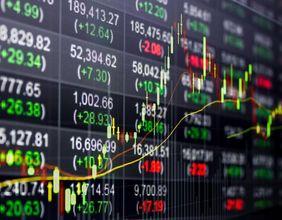
ASX early trading gains reflect broad sector participation, with global cues and domestic factors shaping sentiment across Australian equity indices.
Australia’s equity market remains closely linked with movements across financial, resource, and industrial sectors, which together contribute to the overall direction of indices. Benchmarks such as the ASX 200 and ASX 50 capture these dynamics, reflecting participation across major companies and sectors. Early trading activity has highlighted a firm tone within the market, supported by engagement across multiple segments.
Recent trading sessions have seen the S&P/ASX index move higher during early activity, reflecting participation from both resource and financial stocks. Commonwealth Bank of Australia (ASX:CBA) remains among key constituents within this framework, representing the banking sector’s role in shaping index performance. The early movement reflects broader engagement across sectors that contribute to the Australian equity landscape.
Sector Participation and Market Breadth in Early Trade
Market breadth plays a critical role in determining overall sentiment, with participation across multiple sectors contributing to index movement. Early trading sessions often provide insight into how different industries respond to prevailing conditions, including global cues and domestic developments.
Resource companies, particularly those involved in mining and energy, remain central to early market activity. These sectors are influenced by global commodity trends, which often shape participation across related stocks. Financial institutions also contribute significantly, reflecting domestic economic conditions and lending activity.
The interaction between these sectors contributes to the overall balance within the market. When participation is observed across a wide range of industries, it reflects a diversified market environment where multiple factors influence activity. This broad engagement continues to define early trading patterns within Australian equities.
Global Influences and Their Impact on ASX Performance
Global market conditions remain a key factor influencing Australian equities, with movements in international indices often setting the tone for domestic trading sessions. Developments in major economies, including shifts in economic indicators and geopolitical conditions, contribute to changes in sentiment across global markets.
These global cues are reflected in the performance of Australian indices, as participants respond to developments beyond domestic borders. The interconnected nature of financial markets ensures that activity in one region can influence trading patterns in another, highlighting the importance of international developments.
Early gains in the ASX often align with positive momentum observed in overseas markets, reflecting the transmission of global sentiment into domestic trading. This relationship underscores the role of international conditions in shaping the direction of Australian equities.
Broader Market Composition and Index Representation
The Australian equity market comprises a diverse range of companies operating across various sectors, including resources, financial services, healthcare, and consumer industries. This diversity is reflected in indices such as the asx all ords, which provide a broad representation of market activity across large and small companies.
Within this structure, different sectors contribute to overall market dynamics in varying ways. Resource companies are influenced by global commodity cycles, while financial institutions respond to domestic economic indicators. Consumer and industrial companies add further diversity, reflecting activity across different segments of the economy.
This composition ensures that the market captures a wide range of economic activities, contributing to its overall resilience. Early trading gains across multiple sectors highlight the importance of this diversity in shaping index performance.
Investment Segments and Market Participation Trends
The Australian market includes a variety of investment segments, each characterised by distinct features and drivers of activity. Companies associated with income-focused strategies, such as those within ASX dividend stocks, form an important part of this landscape, offering a different profile compared to resource and industrial companies.
Market participation trends often vary across these segments, reflecting changes in economic conditions and sector-specific developments. Financial institutions, for instance, may respond to domestic indicators, while resource companies remain closely linked to global demand for commodities.
This variation contributes to the overall complexity of the market, where different segments interact to shape trading patterns. Early gains in the ASX highlight how these segments collectively influence index performance, reinforcing the interconnected nature of the equity market.
Market Environment and Ongoing Developments
The broader market environment reflects the interaction between global influences and domestic conditions, shaping activity across Australian equities. Developments in international markets, combined with sector-specific factors, contribute to variations in trading patterns and overall sentiment.
Engagement across the ASX continues to reflect this dynamic environment, where early trading gains provide insight into broader market conditions. Resource and financial sectors remain central to this activity, supported by participation across other industries.
As market conditions evolve, their impact is reflected across different sectors and indices, highlighting the importance of monitoring a range of factors that influence equity markets. The ongoing interaction between global cues and domestic developments continues to define the Australian equity landscape.
