
 AUS
AUS
 NZ
NZ
 UK
UK
 CA
CA
 USA
USA
 IND
IND





Highlights
Australian equities close lower with multiple sectors contributing to market softness.
Financial, materials, and technology segments reflect varied participation across the session.
Benchmark indices mirror shifting sentiment across domestic and global-linked sectors.
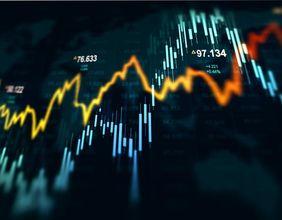
Australian equities reflect broad sector participation as the ASX 200 records a lower close, highlighting financial, materials, and global market influences.
The Australian equity market reflects sector-driven participation within benchmarks such as the ASX 200, and All Ordinaries. These indices capture the performance of companies across industries including financial services, materials, healthcare, and technology, providing a comprehensive view of the market structure. Each sector contributes to the overall movement of the benchmark, reflecting developments across domestic economic activity and global linkages.
Market activity during the session highlighted broad-based movement across several sectors, with financial institutions, resource companies, and technology firms contributing to overall index direction. The S&P/ASX 200 index (ASX:XJO) represents a key benchmark within Australian equities, encompassing a diversified group of companies that reflect the structure of the economy. Its performance during the trading session demonstrated how sector participation can influence benchmark positioning.
The financial sector, often a dominant component of the index, displayed movement aligned with broader market sentiment. Banking institutions and diversified financial companies form a significant portion of the benchmark, contributing to its responsiveness to changes in economic conditions and capital flows. Similarly, the materials sector, which includes mining and resource companies, reflected developments linked to global commodity demand and supply conditions.
Technology and healthcare sectors also contributed to the session’s overall activity, highlighting the diversity of industries represented within the index. These sectors often respond to innovation trends, regulatory developments, and global market conditions, adding to the complexity of benchmark movements. The combined participation of these industries underscores the interconnected nature of Australian equities.
Financial and Materials Sectors Shape Market Activity
The financial sector remains a central component of the Australian equity market, encompassing major banking institutions and financial service providers. These entities play a key role in facilitating lending, investment, and financial intermediation, contributing to the functioning of the broader economy. During the session, activity within this sector reflected the ongoing interaction between domestic economic conditions and investor participation.
Materials companies, particularly those involved in mining and resource extraction, also played a significant role in shaping market dynamics. Australia’s resource-driven economy positions these companies as major contributors to benchmark indices. Their performance often aligns with global commodity markets, where demand from industrial economies influences sector participation.
The interaction between financial and materials sectors highlights the diversity within the ASX two hundred. While financial institutions provide the infrastructure for capital allocation, resource companies contribute to supply chains that support industrial activity. This combination ensures that the index captures a broad spectrum of economic functions, reflecting both domestic and international influences.
Energy companies further add to this dynamic, operating within a sector that is closely linked to resource extraction and infrastructure development. Their inclusion within the index reinforces the importance of energy supply within the broader economic framework. Together, these sectors form a substantial portion of the benchmark, influencing its overall movement during trading sessions.
Sector Integration and Market Participation
The Australian equity market demonstrates a high level of integration across sectors, where financial services, resources, and technology intersect to support economic activity. This integration is reflected within indices such as the ASX two hundred and the asx all ords, which capture the performance of companies across diverse industries.
Market participation extends beyond individual sectors, encompassing institutional investors, retail participants, and index-linked investment products. These entities contribute to the flow of capital across the market, influencing how different sectors are represented within benchmark indices. The interaction between these participants highlights the complexity of market dynamics, where multiple factors contribute to overall index movement.
Institutional investors often align their portfolios with benchmark indices, leading to adjustments in holdings based on sector performance. This alignment ensures that portfolios reflect the composition of the market, maintaining exposure across industries. Exchange-traded products further reinforce this dynamic by replicating index structures, contributing to consistent engagement with companies included in these benchmarks.
The role of diversified investment strategies is also evident within categories such as ASX dividend stocks, where investors seek exposure to income-generating assets. Companies within financial and resource sectors often feature prominently in these categories, reflecting their contribution to market participation. This diversity underscores the multifaceted nature of the Australian equity landscape.
Global Influences and Domestic Market Context
The performance of the Australian equity market is influenced by both domestic conditions and global developments. Economic indicators, trade relationships, and international market trends contribute to the overall environment in which companies operate. These factors can affect sector participation, influencing how indices such as the ASX two hundred reflect market activity.
Global commodity markets play a significant role in shaping the materials sector, with demand from major economies influencing resource companies. Similarly, international financial conditions impact banking institutions, affecting lending activity and capital flows. These global linkages highlight the interconnected nature of the Australian market, where external developments can influence domestic benchmarks.
Technology companies, often connected to global innovation trends, also contribute to market dynamics. Their performance reflects developments in digital transformation, data infrastructure, and software services. This sector’s inclusion within the index underscores its growing importance within the broader economy, complementing traditional industries such as financial services and resources.
Healthcare companies further diversify the market, operating within a sector that is influenced by regulatory frameworks and global demand for medical services. Their participation within the index adds another layer of complexity to benchmark movements, reflecting the varied nature of industries represented within Australian equities.
The combined influence of domestic and global factors ensures that the ASX two hundred remains a dynamic benchmark, capturing the evolving structure of the market. As sectors respond to changing conditions, their contribution to index performance continues to reflect the broader economic landscape.
Benchmark Alignment and Market Structure
Benchmark indices serve as essential tools for tracking market performance and guiding investment strategies. The ASX two hundred, along with the ASX one hundred and ASX three hundred, provides a framework for understanding how companies are positioned within the equity market. These indices reflect the composition of leading companies across sectors, offering insights into market structure and participation.
The alignment between benchmark indices and institutional portfolios underscores the importance of maintaining accurate representation of the market. Companies included within these indices are often integral to diversified investment strategies, contributing to the overall balance of portfolios. This alignment ensures that indices remain relevant indicators of market activity.
Sector representation within benchmarks highlights the contribution of different industries to the economy. Financial services, materials, healthcare, and technology each play a role in shaping index composition, reflecting their importance within the market. The inclusion of companies from these sectors ensures that indices capture a comprehensive view of economic activity.
The interaction between indices and market participants also influences trading activity, as funds adjust holdings to align with benchmark compositions. This process contributes to ongoing engagement with companies included in these indices, reinforcing their position within the market structure. The relationship between indices and participation remains a defining feature of the equity landscape.
The evolving nature of benchmark composition continues to shape how the market is represented, reflecting changes in sector participation and economic conditions. As indices adapt to these developments, they remain central to understanding the dynamics of Australian equities, capturing the interplay between industries and market participants.
