
 AUS
AUS
 NZ
NZ
 UK
UK
 CA
CA
 USA
USA
 IND
IND






Highlights
- Australia is the world's largest iron ore exporter, with the ASX hosting some of the largest iron ore producers globally.
- Iron ore demand is driven primarily by steel production, with Chinese demand having shaped market dynamics for decades.
- Cost positions, infrastructure access, and capital allocation discipline substantially affect iron ore investment outcomes.
Iron ore stocks anchor much of the Australian resource sector, with the country's position as the world's largest iron ore exporter shaping the substantial listed mining businesses on the ASX.
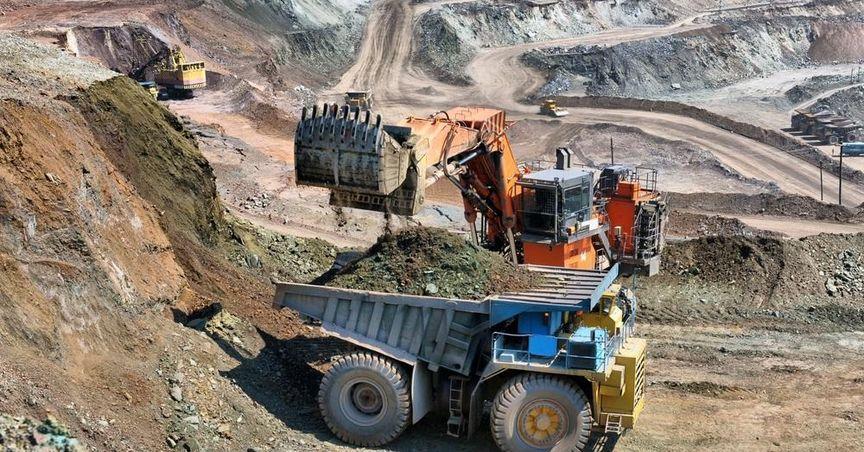
Iron Ore Stocks occupy a position of singular importance on the ASX. Australia is the world's largest iron ore exporter by a substantial margin, with the country's vast Pilbara region in Western Australia hosting some of the most productive iron ore operations globally. The listed iron ore producers include several of the largest mining companies on the ASX by market capitalisation, with dividend distributions, capital returns, and overall financial performance having significant effects on broader market outcomes. For Australian investors, iron ore exposure is essentially unavoidable in broad market holdings and warrants specific attention for active portfolio decisions.
Understanding iron ore investing requires recognising both the scale of the underlying industry and the cyclical nature of commodity markets. Iron ore prices have shown remarkable volatility across recent decades, producing periods of strong returns for producers interspersed with substantial corrections. The combination of essential industrial demand, concentrated supply from a few major operators, and exposure to global economic conditions has produced an investment landscape with distinctive characteristics that warrant careful evaluation.
Australia's Global Position
Australia accounts for a substantial portion of global seaborne iron ore exports, with operations primarily concentrated in the Pilbara region. The combination of high-quality ore bodies, established infrastructure including dedicated rail and port facilities, and decades of operational refinement has produced a low-cost production base that competes favourably against operations in other regions. The cost advantages have proven durable through multiple commodity cycles, supporting Australian producer profitability even during periods of weaker iron ore prices that affected higher-cost producers more substantially.
The major Australian iron ore producers have grown into substantial businesses with global significance. Their decisions about production levels, capital investment, and capital returns affect not only their own outcomes but broader iron ore market dynamics. The cumulative scale of Australian iron ore exports means that meaningful changes in Australian production can affect global supply-demand balances and pricing. The dynamics resemble those affecting other large Australian mining sectors including various Metal & Mining Stocks operating across the broader resource industry.
The Steel Connection
Iron ore demand is driven primarily by steel production, with iron ore being the principal raw material in conventional steelmaking. Steel demand correlates with construction activity, manufacturing output, infrastructure investment, and various other industrial activities. The relationship between steel demand and broader economic conditions produces the cyclical patterns that affect iron ore markets. Strong industrial periods support steel demand, which supports iron ore demand, which supports producer earnings. Weaker periods produce the reverse pattern.
Chinese demand has been the most significant driver of iron ore market dynamics for decades. China's massive steel production capacity, supporting its substantial construction and manufacturing sectors, has produced iron ore demand exceeding what other markets contribute. The cumulative effect has been that Chinese economic conditions, policy decisions, and steel industry dynamics have substantial influence on global iron ore markets. Investors evaluating iron ore exposure should consider this Chinese dependence carefully, recognising that conditions affecting Chinese steel demand can substantially affect iron ore prices and producer outcomes.
Cost Positions and Margins
Cost positions substantially affect iron ore producer outcomes. The major Australian operations typically rank among the lowest-cost producers globally, with operational scale, infrastructure efficiency, and ore quality combining to support competitive cost positions. Low-cost producers can remain profitable even during periods of weaker iron ore prices that pressure higher-cost competitors significantly. The cost advantages create structural protection through cycles that smaller or higher-cost operators cannot match.
Examining cost disclosures provides important information about specific iron ore producers. All-in sustaining cost measures, free on board cash cost figures, and various other measures attempt to capture the full cost of maintaining production. Companies operating in the lowest cost quartile of the global industry have structural advantages over higher-cost peers. The trajectory of costs over time also matters, with companies whose costs are trending higher facing different prospects than those whose costs are stable or improving. Cost discipline remains essential through cycles, with even low-cost producers facing pressure during particularly weak iron ore price periods.
Infrastructure and Logistics
Iron ore operations require substantial infrastructure to move ore from mining sites to customers. Australian iron ore moves through dedicated rail networks from mining areas to port facilities, where it loads onto bulk carriers for shipment primarily to Asian customers. The infrastructure investments required are substantial, but once developed, they support operations over decades. Companies with established infrastructure positions have substantial advantages over potential competitors who would need to fund similar developments to compete.
The integration of mining and infrastructure operations creates additional complexities and advantages. Major producers operate their mining, rail, and port operations as integrated systems, with operational coordination affecting overall efficiency. The scale of these integrated operations creates economies that smaller competitors cannot match. The capital intensity resembles other major infrastructure investments including various Infra & Real Estate Stocks operating essential infrastructure assets.
Pricing Mechanisms
Iron ore pricing has evolved substantially over recent decades. Earlier arrangements involved annual benchmark contracts between major producers and steel mills, with negotiated prices applying to volumes throughout each year. The pricing mechanisms shifted toward more market-based approaches, with various index-linked pricing and shorter-term arrangements becoming more common. The cumulative effect has been pricing that more closely tracks current market conditions but with greater short-term volatility than the previous longer-term arrangements provided.
Various price benchmarks for different iron ore qualities now provide market reference points. The differences between benchmarks reflect quality variations including iron content and impurity levels, with higher-quality ore typically commanding premiums over lower-quality alternatives. Specific Australian producers have different exposure to various benchmarks depending on their specific ore qualities and customer arrangements. Reading the disclosed pricing exposures and quality premiums helps understand how broader market movements affect specific producers.
Capital Returns to Shareholders
Major iron ore producers have been among the most significant sources of capital returns to Australian shareholders during favourable periods. Substantial cash flows from large operations have supported regular dividends, special distributions, and share buybacks across various periods. The franking credits attached to many of these distributions provide additional benefits for Australian investors, with the after-tax outcomes being particularly attractive compared to dividends from international producers lacking franking benefits.
However, capital returns from iron ore producers are more variable than those from more stable sectors. During periods of weak iron ore prices, dividends have been reduced and special distributions paused to preserve financial flexibility. The variability reflects the cyclical nature of underlying commodity markets rather than corporate weakness. Investors building income strategies around iron ore distributions should anticipate this variability and combine these holdings with other income sources offering more consistent payments. The dynamics resemble characteristics of broader Dividend Stocks with commodity-specific volatility added.
Capital Allocation Discipline
How iron ore producers allocate capital substantially affects shareholder outcomes through cycles. The major decisions include reinvestment in existing operations, exploration spending, growth projects, acquisitions, debt management, share buybacks, and dividend payments. Companies whose past capital decisions show discipline through cycles typically demonstrate management approaches that support long-term value creation. Those with poor capital allocation histories may continue similar patterns unless something has materially changed.
History includes examples of iron ore producers that destroyed substantial value through poor capital decisions including acquisitions at cyclical peaks, projects that proved uneconomic at lower prices, or excessive distributions during peak periods that weakened balance sheets going into downturns. Companies that have demonstrated discipline through multiple cycles tend to produce better long-term outcomes than those whose decisions have been driven primarily by current market conditions. Examining the cumulative track record across multiple cycles provides better insight than performance during any single period.
Building Iron Ore Exposure
For Australian investors building iron ore exposure, several practices help navigate the segment effectively. Diversifying across multiple iron ore producers reduces specific company risk. Combining iron ore exposure with broader portfolio holdings provides balance against the cyclical and Chinese-dependent nature of the underlying market. Maintaining engagement with steel industry dynamics, Chinese economic developments, and broader commodity market conditions helps anticipate developments affecting specific holdings.
The decision about how much iron ore exposure to maintain depends on individual circumstances and views. Income-focused investors may emphasise major producers with established dividend records. Those seeking growth potential may consider smaller producers or development-stage companies, accepting greater volatility. Many investors hold iron ore exposure primarily through major diversified miners that provide iron ore alongside other commodities. Combined with patient holding through cycles, careful research of individual companies, and ongoing attention to evolving steel market dynamics, this approach can produce meaningful contributions to overall portfolio performance over multi-year horizons.
