
 AUS
AUS
 NZ
NZ
 UK
UK
 CA
CA
 USA
USA
 IND
IND




Highlights
Fortescue (ASX:FMG) is drawing attention as mine replacement and cost discipline become central themes.
Broader market sentiment is placing Australia's major iron ore producers under closer operational scrutiny.
Execution, asset quality and demand trends are becoming more important than short-term market momentum.
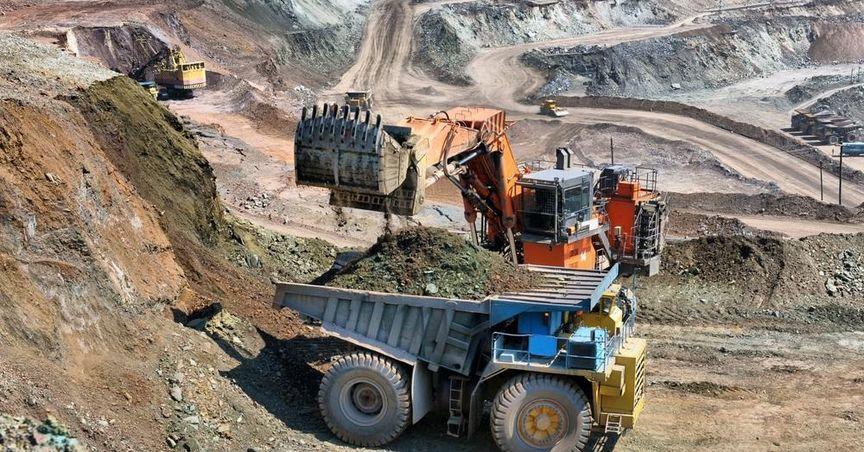
Fortescue is becoming a key reference point as Australia's iron ore sector focuses on mine replacement, disciplined operations, project execution and broader market conditions shaping resource companies today.
Australia's share market opened with a cautious tone after headlines around rising oil prices, geopolitical tensions and mixed sector performance shaped the day's outlook. While energy companies attracted stronger attention, mining stocks faced renewed pressure as commodity sentiment softened. Against that backdrop, Fortescue (ASX:FMG), a leading Pilbara iron ore producer, has become a key company to watch within the ASX 200. The discussion is no longer centred on market excitement alone but on how effectively the company manages mine replacement, operating discipline and long-term project execution. Within Australia's Iron Ore Stocks category, those factors are becoming increasingly significant.
Why the Market Mood Has Shifted
The Australian market is currently balancing several competing forces. Energy producers are benefiting from stronger oil prices, while commodity-linked businesses continue to face uncertainty surrounding global demand and resource pricing. Banks remain supported by earnings resilience, yet mining companies are navigating a more selective environment.
This changing backdrop has encouraged market participants to focus less on broad sector themes and more on operational evidence. Businesses able to demonstrate disciplined project delivery and efficient resource management are attracting greater attention than those relying solely on favourable commodity cycles.
Fortescue sits directly within that conversation because its operations provide an important gauge of Australia's iron ore industry.
Mine Replacement Has Become the Key Story
For large mining companies, maintaining production is not simply about extracting existing resources. Long-term success depends on replacing depleted mines with new operations capable of sustaining production quality while controlling operating costs.
That issue has become increasingly relevant for Fortescue as the broader mining industry prepares for changing ore grades across major Pilbara deposits.
Mine replacement is therefore becoming a practical measure of operational strength rather than simply another strategic objective. The company's ability to transition between assets while maintaining efficiency is likely to remain an important point of discussion across the sector.
Rather than focusing on short-lived market optimism, current attention is centred on whether operational decisions continue supporting long-term production quality.
Cost Discipline Is Taking Centre Stage
Mining companies often experience changing market conditions as commodity prices respond to international economic developments.
During stronger pricing environments, higher operating costs can sometimes receive less attention. However, when market conditions become more selective, operating discipline usually becomes far more significant.
Fortescue's approach to managing production expenses, infrastructure investment and capital allocation is therefore receiving closer examination.
Across the broader iron ore sector, businesses capable of maintaining financial discipline while progressing future developments generally provide clearer evidence of operational resilience than companies relying primarily on favourable market conditions.
That shift explains why cost control has become one of the most closely watched themes surrounding Australia's major iron ore producers.
Global Factors Continue Shaping the Conversation
The discussion surrounding Fortescue extends well beyond domestic market movements.
China's steel demand continues influencing global iron ore consumption, while emerging supply from international mining regions adds another layer of competition. At the same time, transport costs, labour availability and broader geopolitical developments continue influencing operating conditions for resource companies.
These factors create an environment where successful execution depends on much more than commodity pricing alone.
Instead, companies are increasingly evaluated through their ability to respond effectively to changing economic conditions while maintaining operational consistency.
For Fortescue, those broader themes make project execution just as important as production volumes.
Operational Evidence Matters More Than Market Noise
Short-term market volatility often generates significant headlines, yet lasting confidence usually depends on measurable business performance.
Within the mining sector, this includes factors such as:
Asset Quality
Maintaining productive mining assets capable of supporting long-term operations remains fundamental to sustainable resource development.
Capital Allocation
Disciplined spending across projects helps strengthen operational flexibility while supporting future production requirements.
Project Delivery
Timely execution of replacement mines and associated infrastructure demonstrates management's ability to convert long-term planning into practical outcomes.
Together, these elements provide a more meaningful picture of business quality than daily share market fluctuations.
Why Iron Ore Stocks Remain Closely Watched
Australia's iron ore industry continues representing one of the country's most significant export sectors, making major producers important indicators of broader resource sentiment.
The category includes companies operating under different business models, production scales and development strategies. Some businesses focus on expanding output, while others prioritise operational efficiency and financial discipline.
Fortescue provides an important reference point because its operations combine large-scale production with ongoing mine development and decarbonisation initiatives.
That combination makes the company a useful example of how Australia's mining sector is adapting to changing market conditions.
Execution Could Define the Next Stage
Current market discussions increasingly distinguish between businesses supported by operational evidence and those driven primarily by short-term sentiment.
For Fortescue, future attention is likely to remain focused on how effectively mine replacement programs progress alongside disciplined cost management.
The broader mining sector also faces continuing scrutiny as global demand patterns evolve and new sources of supply enter international markets.
In that environment, consistent operational delivery may become a stronger measure of business quality than temporary commodity movements.
A More Practical Reading of the Market
Australia's resource sector continues operating within a changing global landscape where economic conditions, commodity demand and production efficiency all influence market confidence.
Fortescue remains an important company within that discussion because its operational decisions reflect many of the broader challenges currently affecting Australia's mining industry.
Rather than relying on headline momentum, today's market is placing greater emphasis on measurable execution, disciplined spending and sustainable production planning.
That makes the company an important reference point for readers following developments across Australia's iron ore sector while highlighting how business fundamentals continue shaping broader market conversations.
