
 AUS
AUS
 NZ
NZ
 UK
UK
 CA
CA
 USA
USA
 IND
IND






Highlights
Fortescue continues the new financial year with steady momentum despite a more volatile iron ore market.
The miner is balancing its core export operations with a long-term expansion into green energy and hydrogen.
Chinese steel demand, iron ore pricing, freight costs and currency trends remain key drivers of market sentiment.
Australia's resources sector has entered the new financial year with renewed focus on companies capable of navigating an uncertain commodity landscape, and Fortescue (ASX:FMG), one of the nation's leading iron ore producers, remains firmly in the spotlight. As a major constituent of the ASX 200, the company continues to attract attention through the resilience of its mining operations while simultaneously pursuing an ambitious transition into clean energy. That combination has given the miner a distinct position among Australia's leading ASX Metal & Mining Stocks, with market participants closely watching how both parts of the business evolve.
A Steady Start Builds Confidence
Fortescue has opened the financial year with a more stable performance after maintaining relative strength throughout the past year. While global iron ore markets have experienced periods of volatility, the company has demonstrated an ability to maintain market confidence through disciplined operations and consistent production performance.
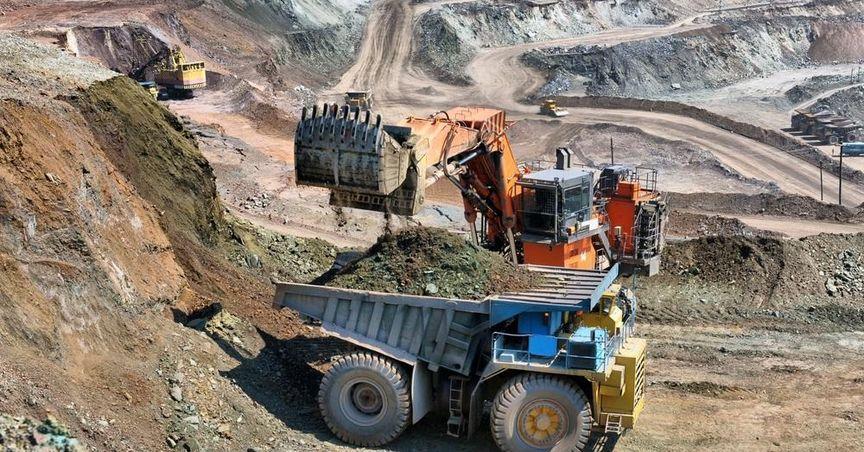
Unlike many commodity businesses whose fortunes can shift sharply alongside daily pricing movements, Fortescue has continued to benefit from the strength of its established Pilbara mining operations. The company's extensive mining, rail and port infrastructure provides a solid operational platform that continues to underpin its broader business strategy.
The market has also appeared increasingly willing to separate temporary fluctuations in iron ore stocks prices from the company's longer-term strategic direction, allowing the shares to remain comparatively resilient during periods of softer commodity sentiment.
Iron Ore Still Sits at the Heart of the Business
Although Fortescue has broadened its strategic ambitions, iron ore remains the foundation of its earnings and cash generation.
Exports from Western Australia's Pilbara region continue to supply steelmakers across Asia, with Chinese demand remaining the single most influential factor affecting business performance. Any movement in Chinese construction activity, manufacturing output or infrastructure spending continues to influence demand for imported iron ore, making developments within China's steel industry particularly significant for Fortescue.
Alongside demand, benchmark seaborne iron ore prices remain one of the strongest influences on quarterly financial performance. Changes in commodity pricing can quickly affect revenue across the industry, particularly for companies whose earnings remain concentrated within a single commodity.
Green Energy Adds a Different Dimension
One of the defining characteristics separating Fortescue from several of its large mining peers is its commitment to expanding beyond traditional resource extraction.
Over recent years the company has continued investing in green hydrogen, renewable energy and related technologies, positioning these businesses as an important part of its long-term strategy.
While these initiatives remain in relatively early stages compared with the scale of its mining operations, they demonstrate a willingness to diversify future revenue opportunities rather than relying exclusively on iron ore production.
This broader strategy has generated considerable discussion across financial markets. Some observers view the clean energy expansion as a logical evolution of a global mining company preparing for changing energy markets, while others remain focused on ensuring that the core mining business continues delivering strong operational performance alongside ongoing investment.
Operational Efficiency Becomes Increasingly Important
Commodity producers often distinguish themselves during weaker pricing environments through operational discipline rather than production growth alone.
Fortescue has consistently placed significant emphasis on maintaining efficient mining operations throughout its integrated Pilbara network. Efficient logistics, reliable production systems and disciplined operating practices become increasingly valuable whenever benchmark commodity prices soften.
Lower operating costs provide greater flexibility during market downturns while helping protect margins across changing commodity cycles.
This emphasis on operational efficiency has become an important component of Fortescue's broader market profile and continues to support confidence in the company's long-term competitiveness.
China's Steel Industry Remains the Biggest Influence
No discussion surrounding Fortescue is complete without considering China's central role in the global iron ore market.
China remains the dominant destination for Australian iron ore exports, meaning changes in steel production frequently ripple across the broader mining sector.
Recent market commentary has highlighted softer spot pricing alongside elevated port inventories, creating additional uncertainty regarding short-term demand conditions. These developments continue to influence sentiment across Australia's major iron ore producers.
Nevertheless, Fortescue's operational consistency has allowed attention to remain focused on production efficiency rather than short-term market fluctuations alone.
Freight and Currency Continue to Shape Returns
Beyond iron ore prices themselves, several external factors influence the company's overall financial performance.
Shipping costs affect export profitability, particularly across long-distance international supply chains. Currency movements also play an important role because commodities are generally traded internationally in US dollars while company reporting occurs in Australian dollars.
Periods of Australian dollar weakness can partially offset lower commodity prices by improving translated earnings, while stronger local currency conditions may reduce some of that benefit.
These variables combine to influence quarterly financial outcomes, highlighting why commodity prices alone rarely tell the complete story.
Standing Apart From Other Major Miners
Within Australia's mining sector, Fortescue occupies a distinctive position.
Unlike several diversified mining groups that generate earnings across multiple commodities, Fortescue remains much more closely linked to iron ore.
That concentration means the company's share performance can respond more noticeably whenever iron ore prices strengthen or weaken. For market observers seeking direct exposure to developments within Australia's iron ore industry, Fortescue often represents one of the purest large-cap mining businesses listed locally.
At the same time, the company's continued expansion into renewable energy provides an additional layer of strategic differentiation rarely seen among traditional mining companies.
Balancing Growth With Financial Discipline
A key theme surrounding Fortescue continues to be the balance between funding future growth initiatives while preserving the financial strength created by its mining operations.
Iron ore remains responsible for generating the cash flows supporting both shareholder distributions and investment into emerging energy projects.
Maintaining that balance becomes increasingly important whenever commodity markets become less supportive. Strong operational execution within the mining business allows the company greater flexibility to continue progressing longer-term diversification without compromising financial stability.
As the clean energy portfolio gradually matures, market attention is likely to remain focused on how efficiently capital continues to be allocated across both segments of the business.
Shareholder Returns Stay in Focus
Fortescue has developed a reputation over many years for returning a significant share of earnings during stronger commodity cycles.
That history remains an important feature of the company's broader investment profile and continues to differentiate it from many global mining peers.
Future capital allocation decisions are therefore expected to attract ongoing attention, particularly as clean energy investments continue expanding alongside the traditional mining business.
Finding the right balance between rewarding shareholders and funding future opportunities will remain a closely monitored aspect of Fortescue's long-term strategy.
What Comes Next for Fortescue?
Looking ahead, several themes are expected to shape market attention throughout the financial year.
Iron ore pricing will continue influencing overall earnings, while developments within China's steel industry remain central to demand expectations.
Equally important will be the gradual progress of Fortescue's renewable energy initiatives as they move from development towards broader commercial execution.
For now, the company's resilient mining operations continue providing a strong foundation while its clean energy ambitions offer a longer-term strategic dimension that distinguishes it from many competitors across Australia's mining sector.
That combination of operational resilience, disciplined cost management and long-term diversification continues to make Fortescue one of the most closely followed names within Australia's resource industry.
