
 AUS
AUS
 NZ
NZ
 UK
UK
 CA
CA
 USA
USA
 IND
IND






Highlights
- Iron ore pricing involves multiple benchmarks reflecting different ore qualities with varying premiums and discounts.
- Producer economics depend on the spread between revenue per tonne and all-in production costs through cycles.
- Infrastructure ownership and operational scale create durable competitive advantages for major Australian producers.
Iron ore pricing involves complex dynamics including quality premiums, benchmark relationships, and the interaction of major producers and steel mill customers across global markets.
Understanding the economics of Iron Ore Stocks requires looking beyond headline iron ore prices to the more nuanced factors that determine actual producer outcomes. Different ore qualities command different prices. Various contract arrangements expose producers to different parts of price benchmarks. Operating costs vary substantially across producers. Capital investment patterns affect both current cash generation and future production. The cumulative effect of these factors determines whether iron ore exposure translates into shareholder value over time. Australian investors benefit from understanding the underlying economics rather than relying solely on broad price movements.
The work of evaluating iron ore producers involves examining the specific characteristics of each business. Major producers have different ore qualities, cost structures, infrastructure arrangements, and customer relationships. Smaller producers may have specific advantages or challenges that affect their economics differently. Understanding what distinguishes specific companies, and how various conditions might affect them differently, supports better investment decisions than treating iron ore producers as essentially equivalent exposures.
Ore Quality and Premium Structures
Iron ore varies substantially in quality, with different ores having different iron content, impurity levels, and various other characteristics that affect their value to steel mills. Higher-quality ores with greater iron content and lower impurities typically command premiums over lower-quality alternatives. The premiums vary over time depending on steel mill preferences, environmental regulations affecting impurity tolerances, and various other factors.
Examining the ore qualities produced by specific operators provides important information. Producers with higher-grade ores typically achieve better realised prices than those with lower-grade alternatives. The quality differences can produce meaningful margins between operators even when broad iron ore prices are similar. Companies that have invested in processing capabilities to upgrade ore quality may achieve advantages over those producing closer to their natural ore characteristics. The interaction between ore characteristics, processing, and market preferences affects how specific producers perform.
Pricing Benchmarks and Indices
Various price benchmarks for different iron ore qualities provide market reference points. The most widely watched benchmarks reflect specific ore characteristics including iron content and origin. Index providers calculate published prices based on actual market transactions, providing widely accepted reference points. The relationships between different benchmarks evolve over time as market conditions and product preferences shift, affecting how various producers' actual realised prices compare to headline figures.
Understanding which benchmarks affect specific producers provides useful information. Companies whose products closely match major benchmark specifications have direct exposure to those reference prices. Those whose products differ from benchmarks face premiums or discounts that affect realised prices. The cumulative effect can produce meaningful differences between headline benchmark movements and actual producer outcomes. The complexities resemble pricing dynamics in various other commodity sectors including Metal & Mining Stocks across other metals and minerals.
Cost Components
Iron ore production costs include various components that combine to determine total operating costs per tonne. Mining costs include labour, equipment, fuel, and various other inputs required to extract ore from the ground. Processing costs include the activities required to prepare ore for shipment, including any crushing, screening, blending, or upgrading. Transport costs include moving ore from mining sites through rail networks to port facilities. Port operating costs include the activities required to load ships for export. Royalties and other government charges add further costs.
Examining cost component breakdowns provides useful information about specific producers. Companies with low costs across multiple components have stronger overall positions than those whose competitive cost positions depend on advantages in single areas. Companies investing in productivity improvements that reduce specific cost components demonstrate operational discipline that supports long-term positioning. The trajectory of various cost components over time reveals how operational improvements or pressures are affecting overall cost positions through cycles.
Operational Scale Effects
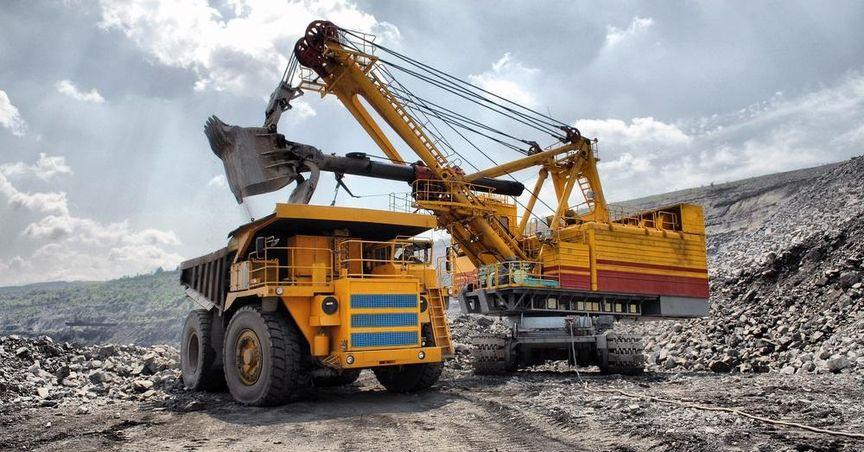
Operational scale produces substantial advantages in iron ore production. Large operations achieve lower unit costs through fixed cost dilution, more efficient capital deployment, stronger negotiating positions with suppliers, and various other scale effects. The cumulative scale advantages place major Australian operations consistently among the lowest-cost iron ore producers globally. The same scale also creates barriers to entry that protect established producers from new competitors who would need to fund massive infrastructure developments to compete effectively.
Examining scale-related advantages provides important context for evaluating specific producers. Companies operating at the largest scales typically have cost advantages that compound through cycles. Those operating at smaller scales may have specific advantages but face structural challenges in matching cost positions of the largest operators. Investment in scale expansion can support long-term position, though the capital requirements affect short-term financial outcomes. Companies that have managed scale strategically typically produce better long-term outcomes than those that have expanded inappropriately or failed to scale effectively.
Infrastructure Ownership
Major Australian iron ore producers typically own their rail and port infrastructure, providing operational integration that supports both efficiency and competitive position. Owning infrastructure means producers can manage operational coordination, capacity utilisation, and various other factors directly rather than depending on third-party providers. The infrastructure itself represents substantial assets that contribute to overall enterprise value separate from the mining operations they support.
Examining infrastructure ownership and characteristics provides useful information about specific producers. Companies with established infrastructure connecting major mining areas to deepwater ports have substantial structural advantages. Those depending on third-party infrastructure face capacity constraints, pricing risks, and operational dependencies that integrated producers avoid. The capital invested in infrastructure historically protects established producers from competitors who would need similar investments to replicate the competitive position.
Customer Relationships
Iron ore producers sell to steel mills through various contract structures and direct relationships. The major Chinese steel mills have been particularly significant customers, with their substantial production capacity supporting strong iron ore demand. Other steel mills in various countries also purchase iron ore from Australian producers. The mix of customer relationships affects specific producers, with diversified customer bases providing some smoothing against issues affecting any single customer.
Examining customer concentration and relationships provides useful information about specific producers. Companies with diversified customer bases across multiple regions and steel mill types face less specific customer risk than those concentrated with single customers or particular regions. Long-term relationships built across multiple cycles provide stability that newer relationships may not match. The customer dynamics interact with broader market conditions, with periods of strong demand supporting all producers while periods of weaker demand can pressure relationships and pricing more substantially.
Capital Investment Decisions
Iron ore producers face ongoing capital investment decisions affecting both current operations and future production. Sustaining capital maintains existing operations, replacing equipment and infrastructure as required. Growth capital expands production capacity or develops new operations. Reserve replacement capital supports continued mining as existing areas deplete. The cumulative capital requirements affect cash flow available for distribution to shareholders while supporting long-term competitive position.
Examining capital investment patterns provides important information about specific producers. Companies investing appropriately maintain operational capability and competitive position. Those underinvesting may face declining production or cost pressure as equipment ages. Those overinvesting during peak periods may produce capital that proves uneconomic at lower commodity prices. The discipline of capital allocation through cycles separates the producers that consistently create value from those whose decisions destroy value through poor timing or unsuccessful projects. The capital allocation dynamics resemble those affecting other major resource investments including Oil and Gas Stocks and broader mining operations.
Building Sensible Exposure
For Australian investors interested in iron ore exposure, several practices help navigate the specific economics of the sector. Diversifying across multiple producers reduces specific company risk. Combining iron ore exposure with broader portfolio holdings provides balance against the cyclical and concentrated nature of iron ore markets. Understanding the specific characteristics of individual producers, including their cost positions, infrastructure arrangements, and customer relationships, supports informed evaluation of investment opportunities.
The decision between major diversified miners and pure-play iron ore producers depends on individual preferences. Diversified miners provide iron ore exposure as part of broader commodity portfolios, with the diversification smoothing some cyclical variation. Pure-play producers offer more direct iron ore exposure with corresponding volatility. Many investors hold both, with the specific mix reflecting their views about commodity exposure and risk tolerance. Combined with patient holding through cycles, careful attention to capital allocation patterns, and ongoing engagement with global iron ore dynamics, this approach supports outcomes that capture the genuine value the iron ore sector can offer over multi-year horizons.
