
 AUS
AUS
 NZ
NZ
 UK
UK
 CA
CA
 USA
USA
 IND
IND





Highlights
- Chevron remains a major global energy company spanning oil, gas, refining, and chemicals.
- The energy sector continues to be shaped by commodity markets, supply conditions, and global demand.
- Operations across multiple regions give the company a broad presence in the global energy industry.
Chevron (NYSE:CVX) operates within the global energy sector, with activities covering exploration, production, refining, transportation, and marketing of oil and natural gas. The company is among the largest integrated energy businesses in the United States, with operations extending across multiple regions. Its business structure combines upstream activities focused on resource development with downstream operations involving fuels, lubricants, and chemical products.
The company is included among large-cap energy names associated with the S&P 500 index, reflecting its position within a broad group of major publicly listed United States companies. The energy sector remains closely connected to global commodity markets, industrial activity, and changing patterns in fuel consumption.
Integrated Energy Operations
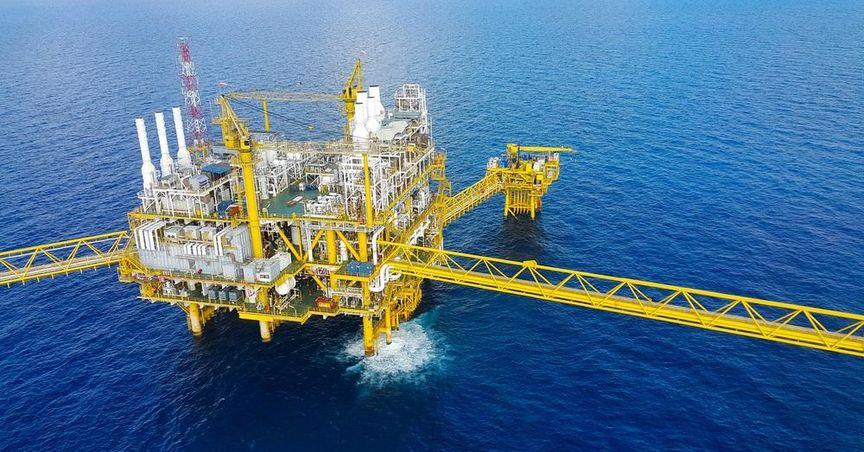
Chevrons operations are organised around two primary areas: upstream and downstream activities. The upstream segment focuses on finding, developing, and producing crude oil and natural gas resources. These activities include exploration projects, production facilities, and large-scale energy developments across several geographic markets.
The downstream segment includes refining crude oil into fuels and other petroleum-based products. Chevron operates refining facilities and fuel distribution networks that serve commercial, industrial, and consumer markets. The company also produces chemicals and speciality products used across various industries.
This integrated structure allows the business to participate across different stages of the energy supply chain, from resource extraction to finished products delivered to end users.
Global Asset Base and Geographic Presence
Chevron maintains a worldwide operational footprint with assets across North America, South America, Africa, Asia-Pacific, and other regions. Its resource portfolio includes conventional oil fields, natural gas projects, offshore developments, and refining facilities.
The company has significant operations in the United States, including activities connected to the Permian Basin, one of the countrys major oil-producing regions. International operations include large-scale projects involving crude oil, natural gas, and liquefied natural gas.
A geographically diverse asset base connects Chevron with different energy markets and regional supply networks. Global operations also expose the company to changing conditions across commodity markets, regulatory environments, and regional economic activity.
Energy Sector Trends
The energy sector continues to experience changes driven by global demand patterns, technology development, and evolving energy consumption. Oil and natural gas remain important components of the worldwide energy system, supporting transportation, manufacturing, electricity generation, and industrial processes.
Large integrated energy companies have increasingly focused on operational efficiency, emissions management, and lower-carbon technologies alongside traditional oil and gas activities. Chevron has developed projects related to carbon capture, renewable fuels, and other emerging energy solutions while continuing its core petroleum operations.
The sector is also influenced by geopolitical developments, supply availability, and changing demand from major economies. These factors contribute to ongoing shifts within global energy markets.
Position Within the Energy Industry
Chevron holds a prominent position among global energy companies due to its scale, diversified operations, and extensive resource base. The company competes with other integrated energy producers across exploration, production, refining, and chemical markets.
Its operations include large-scale projects requiring significant technical expertise, infrastructure, and long-term planning. The companys presence across multiple parts of the energy value chain provides exposure to different areas of the industry.
Within the broader group of energy-related companies, Chevron represents an established integrated model that combines upstream resource production with downstream manufacturing and distribution activities.
Refining and Chemical Activities
Beyond oil and gas production, Chevron (NYSE:CVX) operates refining and chemical businesses that support a wider industrial network. Refined products include gasoline, diesel, jet fuel, and other petroleum products used across transportation and industrial sectors.
The chemical business produces materials used in manufacturing, construction, packaging, and other commercial applications. These operations connect Chevron with industries beyond traditional fuel markets.
The combination of refining and chemical activities provides additional business channels linked to global industrial demand.
Technology and Operational Development
Technology plays an important role in modern energy operations. Chevron uses advanced methods in exploration, drilling, production monitoring, and resource management to improve operational processes.
Digital tools, automation, and engineering developments have become increasingly important across the energy industry. Companies operating large-scale assets rely on technology to manage complex projects and improve efficiency.
Chevron has also participated in projects focused on carbon management and alternative energy solutions as part of broader changes taking place across the sector.
Market and Industry Connections
Energy companies often influence and respond to broader economic activity because oil and natural gas support transportation, manufacturing, and power generation worldwide. Chevrons operations connect with these wider economic systems through fuel supply, industrial materials, and energy infrastructure.
The companys presence within the S&P 500 index places it among large publicly listed businesses representing different areas of the United States economy. Within that group, energy companies provide exposure to global resource markets and industrial demand.
Changes in commodity conditions, supply networks, and consumption patterns continue to shape the environment surrounding major energy producers.
Environmental and Energy Transition Developments
The global energy industry is undergoing gradual transformation as governments, businesses, and consumers explore different approaches to energy use. Chevron has expanded activities connected with carbon capture, renewable fuels, and lower-carbon technologies while maintaining traditional oil and natural gas operations.
The transition involves balancing existing energy requirements with developing technologies and changing consumption patterns. Integrated energy companies remain involved in both conventional energy production and emerging areas of the energy landscape.
Chevrons combination of traditional resources and newer energy initiatives reflects the broader evolution occurring across the industry.
