
 AUS
AUS
 NZ
NZ
 UK
UK
 CA
CA
 USA
USA
 IND
IND





Highlights
- Copper demand is rising across modern infrastructure.
- AI data centers are adding fresh demand pressure.
- Freeport-McMoRan remains central to the copper story.
Copper’s record surge reflects rising demand from electrification, renewable energy, grids, and AI infrastructure, keeping major producers in focus as supply remains slow to expand.
Copper has moved from an industrial metal to a core material behind the modern economy, and Freeport-McMoRan (NYSE:FCX), a major global copper producer with large mining operations, has become closely tied to that shift. As copper reaches record territory, attention has widened beyond mining circles, with the metal’s role in electrification, renewable energy, and artificial intelligence infrastructure also drawing focus from broader market watchers tracking the Russell 1000.
Copper Becomes A Modern Economy Metal
Copper has long been essential to construction, machinery, transport, and manufacturing. What has changed is the scale and variety of demand now building around the metal. It is no longer just a cyclical material tied to housing, factories, and heavy industry. It has become a foundation for the systems powering cleaner energy, smarter infrastructure, and high-performance computing.
The reason is simple: copper is one of the most effective widely used conductors of electricity. It is found in wires, motors, transformers, power systems, charging networks, grid equipment, and data center infrastructure. As economies move toward greater electrification, copper becomes harder to ignore.
This shift explains why copper prices have reached record levels. Demand is being supported by several major themes at the same time. Electric transport needs copper. Renewable power generation needs copper. Grid expansion needs copper. AI-focused data centers need copper. Together, these trends have created a demand story that looks broader and more durable than a normal industrial cycle.
Record Prices Reflect Strong Demand
The latest copper rally reflects a market trying to price in a tight supply-and-demand balance. Demand has expanded across multiple areas, while supply remains difficult to grow quickly. That imbalance has become one of the main reasons copper is being described as part of a long-running supercycle.
Copper is used across traditional industries, but its newer demand channels have changed the tone of the market. Renewable energy projects require copper for transmission, turbines, inverters, and grid connections. Electric vehicles and charging networks use copper across motors, batteries, and power systems. Data centers require copper-heavy electrical equipment to support servers, cooling systems, and backup power needs.
AI infrastructure has added a fresh layer to the story. As computing demand rises, data centers are expanding, and those facilities need large amounts of electrical hardware. The growth of AI does not only affect software and chips. It also affects power networks, substations, cooling systems, and wiring. Copper sits inside that physical backbone.
Supply Growth Remains Difficult
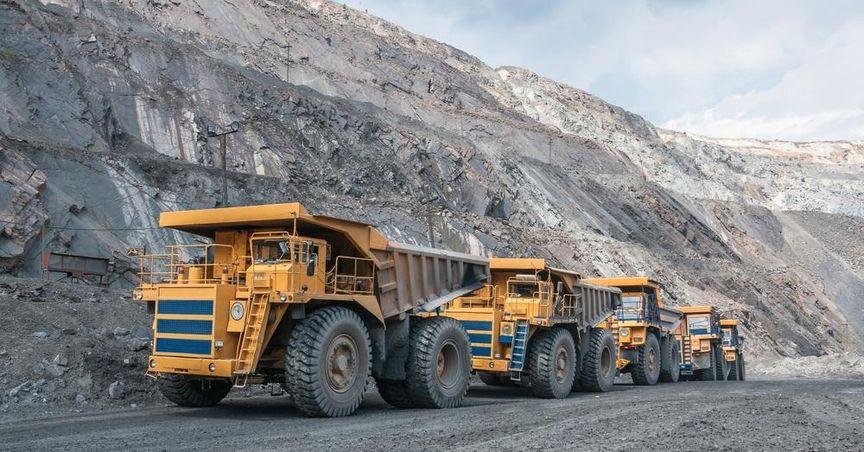
Copper supply cannot respond quickly when demand rises. New mines often require long approval timelines, complex engineering, large capital commitments, and careful environmental planning. Even expansions at existing sites can take considerable time.
This slow supply response is a defining feature of the copper market. When prices rise, producers may plan expansions, but new output does not appear immediately. Mines must be developed, equipment must be installed, local approvals must be secured, and logistics must be arranged.
That delay supports the supercycle argument. If demand keeps rising while supply takes years to catch up, prices can remain elevated for longer than expected. The market is not only responding to current demand, but also to the difficulty of creating enough future supply.
For copper producers, this environment can be favourable. Higher metal prices can lift revenue, while existing operations may benefit from stronger pricing across their output. However, producers still face rising costs, operational complexity, and geopolitical challenges.
Freeport-McMoRan Stands In Focus
Freeport-McMoRan is among the world’s leading copper producers, with large mining assets and a significant role in refined copper supply. The company is closely watched because its business has direct exposure to copper pricing and long-term demand trends.
When copper strengthens, major producers often gain attention because their operating results are linked to the commodity cycle. Freeport-McMoRan’s scale gives it relevance across global copper markets, especially as demand grows from power infrastructure, manufacturing, and advanced computing facilities.
The company’s position also reflects the broader importance of copper mining. Producers are no longer viewed only through the lens of traditional industrial demand. They are increasingly connected to energy transition planning, grid modernization, and the physical infrastructure needed for digital growth.
This is why Freeport-McMoRan has become a key name in the copper discussion. Its mining base gives it exposure to a metal that sits at the intersection of industrial activity and future-facing infrastructure.
Electrification Keeps Expanding Copper Use
Electrification is one of the strongest long-term themes supporting copper demand. As more systems shift from fuel-based operations to electric power, copper requirements rise across the value chain.
Electric transport is one example. Vehicles, charging systems, power electronics, and related grid upgrades all require copper. Renewable energy adds another layer, as solar, wind, and storage systems depend heavily on electrical connections and transmission infrastructure.
Grid modernization is equally important. Power grids were not built for today’s electricity demand, let alone the future load expected from electric transport, industrial electrification, and data centers. Upgrading these systems requires transformers, cables, substations, and control systems, many of which rely on copper.
This makes copper a structural material for the energy transition. It is not just linked to one technology or one end market. It is used throughout the network that connects power generation, storage, delivery, and consumption.
AI Infrastructure Adds Fresh Demand
The AI boom has created a new demand angle for copper. While attention often focuses on chips, cloud platforms, and software models, the physical infrastructure behind AI is equally important.
Data centers require reliable electricity, strong cooling systems, backup power, and complex internal wiring. As AI workloads become more energy intensive, data centers need larger electrical systems and greater power density. Copper plays a role across that infrastructure.
This creates a link between digital growth and metals demand. AI may appear virtual to end users, but it depends on physical assets: land, buildings, servers, power lines, substations, cooling systems, and electrical components. Copper helps connect these systems.
The connection between AI and copper has widened the metal’s appeal. It is now part of the conversation around technology infrastructure, not only traditional mining. That makes the copper story more diverse and more closely tied to the direction of the global economy.
Mining Risks Still Matter
Despite the strong demand backdrop, copper remains a volatile commodity. Prices can move sharply when economic conditions shift, industrial activity slows, or supply expectations change.
Metal & Mining Stock companies also face company-specific risks. Operations can be affected by equipment issues, labour constraints, weather events, permitting delays, and political developments in resource-rich regions. Input costs, including energy and materials, can also affect margins.
Another important risk is timing. High prices can encourage new supply, even if that supply takes time to reach the market. If new production arrives during a softer demand period, copper prices may face pressure.
This means the copper story is not one-directional. It combines long-term demand strength with cyclical swings. That mix can create powerful market interest, but it also brings uncertainty.
Supercycle Theme Stays Alive
The copper supercycle idea rests on a simple foundation: demand is expanding across several long-term themes, while supply growth remains slow and complex. Electrification, renewable energy, grid expansion, and AI infrastructure all need more copper. At the same time, new mines cannot be built quickly.
This combination has pushed copper into record territory and made producers more visible in market discussions. Freeport-McMoRan (NYSE:FCX), remains one of the most relevant names because of its scale and direct link to the metal.
Copper’s strength reflects more than a short-term commodity move. It shows how physical materials remain essential to digital and energy transformation. The world may be moving toward smarter networks, cleaner power, and AI-driven computing, but those systems still depend on metals pulled from the ground.
