
 AUS
AUS
 NZ
NZ
 UK
UK
 CA
CA
 USA
USA
 IND
IND



Highlights
Copper has emerged as one of the most closely watched commodities amid electrification and AI infrastructure expansion.
BHP (ASX:BHP) and Rio Tinto (ASX:RIO) remain central participants in global copper production and development activities.
Supply constraints, project timelines, and industrial demand continue to shape the copper market landscape.
Explore how copper’s prominence in electrification, AI infrastructure, and industrial development is reshaping attention toward major ASX mining companies and global supply chains.
The mining sector has entered a renewed phase of attention as copper becomes one of the most discussed commodities across global markets. Widely used in energy systems, industrial manufacturing, transport infrastructure, telecommunications networks, and digital technologies, copper occupies a critical role in modern economic activity. Major mining companies listed within the ASX 200 are increasingly linked to developments in the copper market as demand drivers continue evolving across multiple industries.
Among the most visible participants in this landscape are BHP (ASX:BHP) and Rio Tinto (ASX:RIO), two global mining groups with substantial exposure to copper production and development projects. Their operations reflect the broader transformation taking place across the resources sector as traditional mining activities increasingly intersect with electrification initiatives, digital infrastructure expansion, and industrial modernisation.
Copper has often been described as the metal that connects modern economies. Electrical conductivity, durability, corrosion resistance, and versatility make it indispensable across a wide range of applications. From renewable energy systems and electric transport networks to industrial equipment and communication infrastructure, copper remains deeply embedded in economic development.
The renewed focus on copper has emerged after years of discussion surrounding supply availability and future demand requirements. Mining executives, industry participants, and commodity observers have frequently highlighted the challenge of balancing increasing industrial requirements with the realities of developing new copper projects. The current environment has brought those conversations into sharper focus.
Across global markets, infrastructure development continues to consume substantial quantities of copper. Electrical grids require extensive copper wiring and components. Renewable energy facilities rely on copper-intensive equipment. Transport electrification initiatives require significant copper inputs across charging systems, batteries, motors, and supporting infrastructure.
Simultaneously, rapid expansion in digital infrastructure has introduced another important source of copper demand. Data centres, cloud computing facilities, artificial intelligence infrastructure, and advanced networking systems all rely on extensive electrical and cooling frameworks that incorporate large volumes of copper.
These developments have elevated the importance of companies operating established copper assets and advancing future projects. As industrial transformation continues across multiple regions, copper remains central to discussions regarding resource availability, infrastructure planning, and mining sector development.
Electrification and Digital Infrastructure Strengthen Copper Demand
Copper occupies a unique position among industrial metals because its applications span both traditional industries and emerging technologies. This broad utility has helped reinforce its relevance during a period characterised by significant infrastructure transformation.
Electrification remains one of the most influential themes shaping copper consumption. Power transmission networks, renewable energy facilities, electric transport systems, and battery manufacturing all require substantial copper inputs. Compared with conventional technologies, electrified systems frequently contain greater quantities of copper due to wiring requirements, conductivity needs, and energy distribution infrastructure.
Grid modernisation projects across various regions have also increased attention on copper requirements. Many existing electrical networks were constructed decades ago and now require upgrades to accommodate evolving energy demands. Expansion of renewable generation capacity introduces additional complexity, often necessitating new transmission systems and supporting infrastructure.
Electric transport initiatives contribute another layer of demand. Charging networks, energy storage systems, electric buses, passenger vehicles, rail infrastructure, and associated components all utilise copper extensively. The metal’s conductivity characteristics make it a key component in these technologies.
Alongside electrification, digital infrastructure has emerged as a significant driver of copper consumption. Artificial intelligence platforms require substantial computing capacity supported by extensive physical infrastructure. Data centres contain vast networks of cables, cooling systems, transformers, switchgear, and electrical equipment that rely heavily on copper.
As organisations expand cloud computing capabilities and invest in advanced processing facilities, demand for supporting infrastructure continues to expand. Large-scale digital facilities often require significant electrical capacity, further strengthening the connection between technology development and copper usage.
Industrial manufacturing remains another major source of copper consumption. Machinery, transportation equipment, electronics, telecommunications systems, and construction materials all incorporate copper in varying forms. This diversity of applications contributes to the metal’s strategic importance across multiple sectors.
The interaction between traditional industrial demand and emerging technological requirements has become a defining feature of the copper market. Rather than relying on a single source of consumption, copper benefits from participation across numerous economic activities. This broad industrial footprint distinguishes it from commodities that depend heavily on one specific sector.
Mining companies with copper exposure therefore operate within a market influenced by infrastructure development, energy transformation, manufacturing activity, and technological advancement simultaneously. These interconnected themes continue shaping the role of copper within the global resources industry.
BHP and Rio Tinto Expand Their Copper Footprint
Large diversified miners increasingly view copper as an important component of future-facing commodity portfolios. Among Australian-listed companies, BHP and Rio Tinto occupy prominent positions due to their scale, operational capabilities, and established project pipelines.
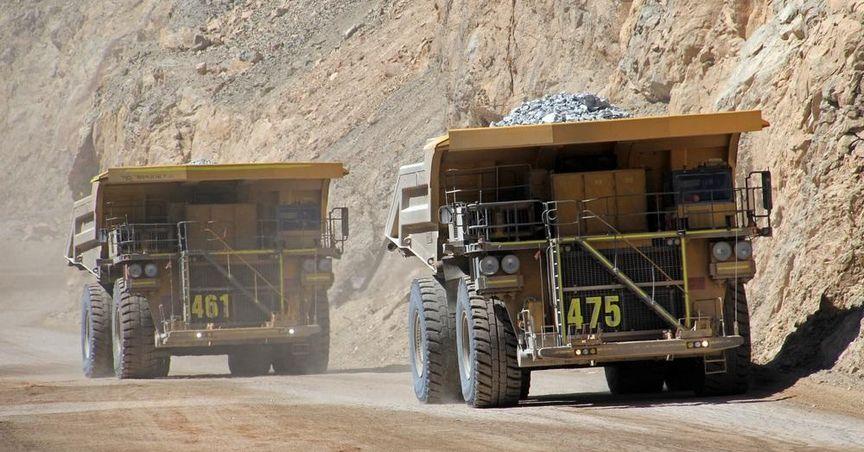
BHP’s copper activities are anchored by major assets including Escondida in Chile and Olympic Dam in South Australia. Escondida remains one of the most significant copper operations globally and contributes substantially to BHP’s production profile. Olympic Dam combines copper output with exposure to other valuable resources, creating a diversified production base.
The company’s operational footprint reflects decades of investment across mining infrastructure, processing facilities, and project development. Copper now represents a major component of BHP’s broader commodity portfolio alongside iron ore and other resource segments.
Rio Tinto has also expanded its copper presence through a combination of project development and strategic portfolio positioning. The Oyu Tolgoi operation in Mongolia represents one of the most notable copper developments within the global mining industry. As underground expansion activities progress, the project continues to attract attention due to its scale and production capacity.
In addition to copper, Rio Tinto has broadened participation across commodities associated with industrial transformation. This diversification reflects a broader shift occurring among major mining groups as resource portfolios evolve in response to changing patterns of industrial demand.
Both organisations possess extensive operational expertise, established infrastructure networks, and global marketing capabilities. These attributes support the management of large-scale projects often spanning multiple decades from discovery through production.
The importance of copper within these portfolios highlights how major mining companies are adapting to changes in global commodity consumption. While iron ore remains a significant contributor to sector activity, copper increasingly occupies a central position in discussions surrounding future resource requirements.
Market participants frequently compare diversified miners with specialist producers operating within the copper sector. Diversified companies benefit from exposure across multiple commodities, while specialist operators focus more directly on copper-related activities. These differing business models contribute to a broad and varied mining landscape.
The role of major miners extends beyond production volumes. Their project pipelines, infrastructure investments, technological capabilities, and operational efficiencies influence broader industry developments. Consequently, their activities are closely monitored by stakeholders across the global resources sector.
Within the wider mining universe represented by the ASX 100, copper continues to emerge as a commodity closely linked to industrial transformation, infrastructure development, and technological advancement.
Supply Challenges Continue to Shape the Copper Market
While demand drivers often attract significant attention, supply dynamics remain equally important in understanding the copper sector. Developing a new copper operation is typically a lengthy and complex process involving exploration, environmental assessments, permitting requirements, infrastructure development, financing arrangements, and construction activities.
Copper deposits suitable for commercial development are not evenly distributed across the globe. Many major projects are located in regions requiring extensive infrastructure investment or operating within challenging geological environments. These factors contribute to lengthy development timelines.
Ore grades represent another important consideration. Several mature copper operations have experienced declining grades over time, meaning larger volumes of material may need processing to produce equivalent quantities of copper. This dynamic influences operational efficiency and project economics.
Environmental and regulatory frameworks also play a significant role in project development. Mining companies must navigate permitting processes, community engagement requirements, environmental obligations, and operational approvals before advancing large-scale projects.
Infrastructure requirements further contribute to project complexity. Roads, ports, power systems, water management facilities, and processing plants often require substantial investment before production activities commence. Such developments can span many years and involve coordination among multiple stakeholders.
These realities help explain why supply additions often progress gradually even during periods of heightened market attention. Copper projects require extensive planning, technical expertise, and operational execution before material output reaches global markets.
Existing operations frequently pursue expansion programs to enhance production capacity or improve operational efficiency. Such initiatives may involve underground development, processing upgrades, infrastructure improvements, or resource extension activities.
The relationship between supply availability and industrial demand remains a central theme within the copper market. As infrastructure projects, energy systems, manufacturing facilities, and digital networks continue evolving, attention increasingly focuses on how future copper requirements will be met.
Many investors tracking resource markets also monitor broader Australian benchmarks such as the asx all ords to understand how commodity-related developments influence listed companies across various sectors. Copper-related activity often extends beyond producers to include contractors, service providers, equipment manufacturers, and infrastructure businesses.
These interconnected relationships reinforce copper’s significance within the wider economic landscape and help explain the continued attention directed toward supply developments across the mining sector.
Copper’s Expanding Role Across the Global Economy
Copper’s relevance extends well beyond mining operations. Its presence throughout modern infrastructure means developments in the copper sector frequently intersect with broader economic trends, technological innovation, and industrial expansion.
Renewable energy projects remain heavily dependent on copper-intensive components. Wind turbines, solar facilities, energy storage systems, substations, and transmission infrastructure all require substantial quantities of the metal. As energy networks become increasingly sophisticated, copper continues to serve as a foundational material.
Urban development also contributes to ongoing copper usage. Residential construction, commercial buildings, transportation infrastructure, telecommunications networks, and industrial facilities incorporate copper across electrical systems and structural applications.
Digital transformation adds another dimension. Advanced computing facilities, networking infrastructure, cloud platforms, and artificial intelligence ecosystems rely on extensive physical infrastructure where copper remains a key material. The expansion of digital services therefore maintains a direct connection with copper consumption.
Mining companies participating in this environment occupy an important position within global supply chains. Their activities support industries ranging from manufacturing and construction to technology and energy. As a result, developments within the copper sector often attract attention from stakeholders far beyond the mining community.
The broader Australian market includes numerous businesses connected indirectly to resource activity. Engineering firms, logistics providers, equipment suppliers, and infrastructure contractors frequently participate in projects associated with copper production and development. These relationships highlight the wider economic footprint of the mining industry.
Investors examining resource-related companies often compare them with other established segments of the market, including ASX dividend stocks, to understand differences in business models, sector exposure, and operational characteristics. Such comparisons underscore the diversity present across Australian equities.
Copper’s importance within industrial systems, energy infrastructure, digital technologies, and manufacturing activities continues to reinforce its strategic relevance. As economies modernise infrastructure, expand energy networks, and enhance technological capabilities, copper remains closely linked to many of the developments shaping contemporary industry.
The metal’s broad range of applications, combined with the complexity of expanding global supply, ensures that copper will remain a prominent topic across mining, infrastructure, energy, and technology discussions throughout the evolving economic landscape.
