
 AUS
AUS
 NZ
NZ
 UK
UK
 CA
CA
 USA
USA
 IND
IND





Highlights
- Valero Energy operates as a major downstream energy enterprise
- Refining and logistics define the company’s operational scope
- Market activity reflects broader energy sector positioning
Valero Energy Corporation (NYSE:VLO) remains a prominent name within the New York Stock Exchange environment, frequently discussed alongside broader market measures such as the s&p 500 index when observers review energy-sector movements. The company functions as an integrated downstream energy organization, concentrating on refining crude oil into transportation fuels and related products. Its position within public markets reflects the operational scale and geographic reach of its refining and logistics network rather than short-term market commentary.
What Defines Valero Corporate Structure?
Valero Energy Corporation is headquartered in Texas and operates as a downstream-focused energy company. Its primary activities center on transforming crude oil into usable fuels, including gasoline, diesel, and aviation fuel. Beyond refining, the company manages a wide network of supporting assets that facilitate the movement of raw materials and finished products.
Within discussions that also the s&p 500 futures, Valero is often categorized as a company whose operations are closely linked to physical energy infrastructure rather than upstream exploration. This structural focus places emphasis on operational efficiency, supply coordination, and regulatory compliance across multiple jurisdictions.
How Refining Operations Are Organized?
Refining represents the core of Valero’s business model. The company operates multiple refining facilities designed to process various grades of crude oil into market-ready fuels. These facilities are engineered to maximize yield while meeting environmental and safety standards.
Valero’s refining footprint supports domestic and international fuel demand, supplying transportation networks, commercial users, and industrial customers. Refining complexity and scale distinguish the company within the downstream energy segment.
Why Logistics Assets Matter?
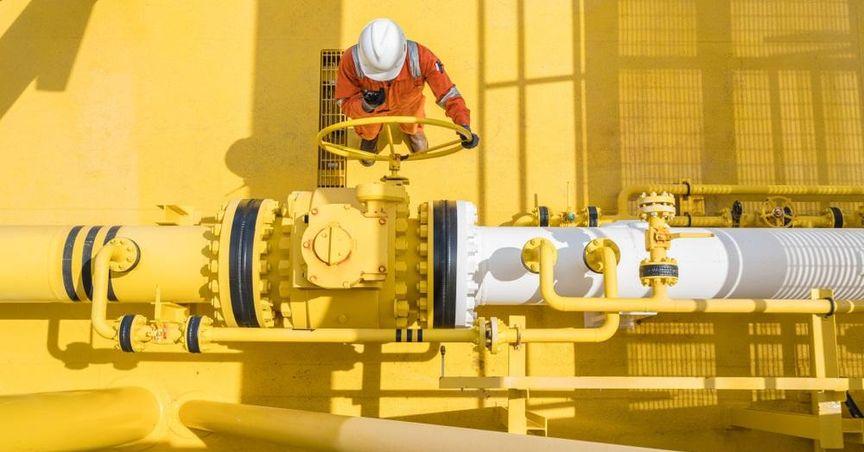
An extensive logistics network underpins Valero’s refining activities. Pipelines, storage terminals, rail systems, and marine assets allow the company to transport crude oil to refineries and distribute finished products to end markets efficiently.
This logistics infrastructure supports operational continuity and flexibility. Within broader market conversations that include such as the s&p 500 today, companies with integrated logistics capabilities are often viewed as essential contributors to supply stability in energy markets.
How Renewable Fuels Fit Operations?
In addition to traditional refining, Valero maintains a presence in renewable fuels. The company produces ethanol and other biofuels that complement its conventional fuel portfolio. These activities align with regulatory frameworks that encourage diversification of fuel sources.
Renewable operations are integrated with existing logistics and distribution systems, allowing Valero to manage multiple product streams simultaneously. This operational breadth supports adaptability across evolving fuel standards.
What Role Does Market Participation Play?
Valero’s public listing places it among companies frequently reviewed in relation to benchmarks such as the s&p 500 fund. Market participation provides transparency into corporate governance, operational reporting, and capital structure without altering the company’s fundamental industrial focus.
Trading activity reflects how market participants interpret publicly available information, though the company’s operational mandate remains centered on refining and distribution rather than market sentiment.
How Financial Structure Is Maintained?
The company maintains a balance between operational funding and long-term obligations through structured financial management. Liquidity measures and leverage considerations support refinery maintenance, logistics and regulatory compliance.
Within broader equity discussions that may vehicles like the s&p 500 etf, Valero is typically grouped with established industrial operators whose financial profiles are shaped by asset intensity and cyclical demand rather than rapid technological change.
Where Energy Demand Intersects Markets?
Demand for transportation fuels ties Valero’s operations to economic activity across regions. Commercial transport, aviation, and industrial usage all contribute to product demand. As a result, Valero’s refining output aligns closely with macroeconomic conditions.
Market-wide such as the s&p 500 index often include energy companies to illustrate how physical commodity processing intersects with financial markets. Valero’s role in this context is defined by production capacity and distribution reach.
How Infrastructure Supports Stability?
Infrastructure supports long-term operational stability. Refinery upgrades, safety systems, and environmental controls require continuous attention. Valero’s scale allows for coordinated infrastructure management across its network.
When observers broader indicators like the s&p 500 index fund, infrastructure-heavy companies such as Valero are often cited as examples of enterprises with substantial fixed assets underpinning ongoing operations.
What Defines Valero Market Presence?
Valero Energy Corporation’s presence within public markets reflects its status as a large-scale downstream energy provider. Its activities encompass refining, renewable fuel production, and logistics coordination across multiple regions.
In market commentary that may include broad terms such as s&p 500 companies, Valero is recognized for its contribution to fuel supply chains rather than for speculative growth narratives. The company’s identity is grounded in industrial execution and asset management.
