
 AUS
AUS
 NZ
NZ
 UK
UK
 CA
CA
 USA
USA
 IND
IND






Highlights
Middle East tension has kept crude markets volatile, placing Australian energy producers back in focus.
Woodside Energy (ASX:WDS) and Santos (ASX:STO) remain key ASX-listed names linked to oil and gas sentiment.
Disrupted shipping routes and tight fuel inventories are shaping the latest energy market debate.
Middle East tension has kept oil markets volatile, placing Woodside and Santos in focus as shipping disruption and tight inventories shape Australia's energy sector debate.
Australia's energy sector has moved back into the market spotlight as crude oil trades around geopolitical headlines rather than ordinary supply signals. The latest Middle East tension has placed Woodside Energy (ASX:WDS) at the centre of attention, with major oil and gas producers influencing broader resource sentiment across ASX 200 discussions.
Oil Is Trading on Tension
Crude markets are currently being shaped by uncertainty around ceasefire talks, shipping routes and regional security. Instead of moving only on production data or demand updates, oil has become a real-time barometer for global tension.
The Strait of Hormuz remains central to the story. This shipping route is one of the world's most important energy corridors, and any disruption can affect cargo movement, insurance costs and delivery schedules. Even when oil facilities remain operational, delays across transport routes can tighten available supply.
For Australian energy companies, that matters. Higher global volatility can flow through to sentiment toward producers with exposure to liquefied natural gas, oil-linked contracts and export-facing projects.
Woodside and Santos Stay in Focus
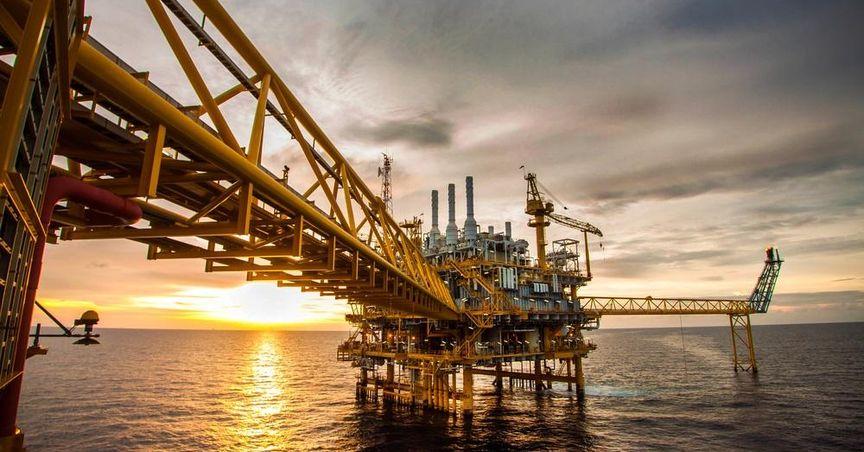
Woodside is one of Australia's largest energy producers, with operations spanning liquefied natural gas, offshore assets and major export-linked projects. Its earnings profile is connected to global energy markets, making it one of the most closely watched names whenever crude oil becomes volatile.
Santos is another major Australian oil and gas group with assets across gas, LNG and liquids production. Its portfolio gives it exposure to international energy demand, domestic supply themes and commodity-linked revenue streams.
Together, these companies help shape discussion across ASX Oil and Gas Stocks. When oil markets move sharply, attention often turns to how large producers manage costs, project delivery, contract timing and balance sheet priorities.
The Hormuz Factor Keeps the Market Alert
The current oil market is not only about headline tension. Physical supply conditions are also contributing to the debate.
Shipping delays, rerouted cargoes and higher transport costs can gradually affect fuel availability. Inventories in several key regions have tightened, leaving less room for unexpected disruptions. When storage buffers are thinner, even small geopolitical events can have a larger market impact.
This is why energy stocks have been moving with every fresh update from the Middle East. Ceasefire progress can ease concern, while renewed conflict can quickly bring attention back to supply security.
Why Energy Stocks Can Move Differently
Energy companies often behave differently from other parts of the market during geopolitical stress. While broader sectors may face pressure from uncertainty, oil and gas producers can draw attention when crude supply concerns rise.
That does not make the sector simple. Energy markets remain exposed to policy shifts, currency moves, production costs, project schedules and demand changes. Oil-linked earnings can also move with a lag, especially for LNG contracts tied to earlier crude movements.
For Woodside and Santos, the key discussion is not only where oil sits today. It is how sustained volatility affects realised revenue, capital spending, debt settings and shareholder distribution capacity over time.
What Comes Next for ASX Energy
The next phase for energy markets will likely centre on three themes: ceasefire stability, shipping access and inventory rebuilding. If supply routes normalise, crude markets may become less reactive to headlines. If disruption continues, energy security could remain a major theme across global markets.
Australian producers will also be watched for operational updates, LNG contract exposure, project milestones and cost control. These company-level details matter because global oil strength does not flow evenly across every producer.
For now, the energy sector remains caught between two forces. Diplomacy is trying to calm crude markets, while tight physical supply keeps traders alert. That tension is why Australia's leading oil and gas names remain firmly in the spotlight.
