
 AUS
AUS
 NZ
NZ
 UK
UK
 CA
CA
 USA
USA
 IND
IND


_06_12_2026_07_10_14_314398.jpg)



Highlights
Woodside Energy outperformed the broader market as energy shares attracted renewed attention.
Oil market volatility and geopolitical developments continued to influence sentiment across the energy sector.
Major LNG projects and operational milestones remained central to Woodside’s longer-term market narrative.
Australia’s share market delivered a mixed session, with energy companies standing apart from the broader weakness seen across several sectors. While market sentiment remained cautious, Woodside Energy Group (ASX:WDS) managed to finish the day in positive territory, highlighting the resilience of large energy producers during periods of commodity-driven volatility.
The move came as traders closely monitored developments in global oil markets, where fluctuating crude prices and geopolitical concerns continued to shape sentiment. Against this backdrop, Woodside emerged as one of the stronger performers among ASX Energy Stocks, even as the broader ASX 200 edged lower.
Energy Sector Finds Support Amid Market Pressure
The Australian market faced headwinds through much of the trading session, with weakness across several sectors weighing on overall performance. Despite this broader softness, energy companies attracted buying interest as investors responded to ongoing developments in global commodity markets.
Energy producers often experience heightened attention when oil prices swing sharply, and that dynamic was clearly visible during the latest trading session. While the broader market struggled to maintain momentum, energy stocks benefited from expectations that elevated commodity prices could continue to support sector earnings.
Woodside was among the companies that drew attention as market participants rotated towards businesses linked to oil and gas production.
Oil Volatility Remains the Key Driver
Global oil markets continued to experience significant fluctuations as geopolitical tensions remained a major influence on pricing trends. Concerns surrounding supply disruptions and uncertainty across key producing regions created a volatile environment for traders.
Although crude prices ultimately eased during the session, the broader discussion around energy security and supply stability remained a dominant market theme. This ongoing uncertainty helped sustain interest in energy producers despite weakness elsewhere across equity markets.
For companies such as Woodside, movements in oil prices can have a meaningful impact on market sentiment. While short-term price changes often influence daily share performance, investors also continue to focus on longer-term production outlooks and project delivery milestones.
Woodside’s Position in the LNG Market
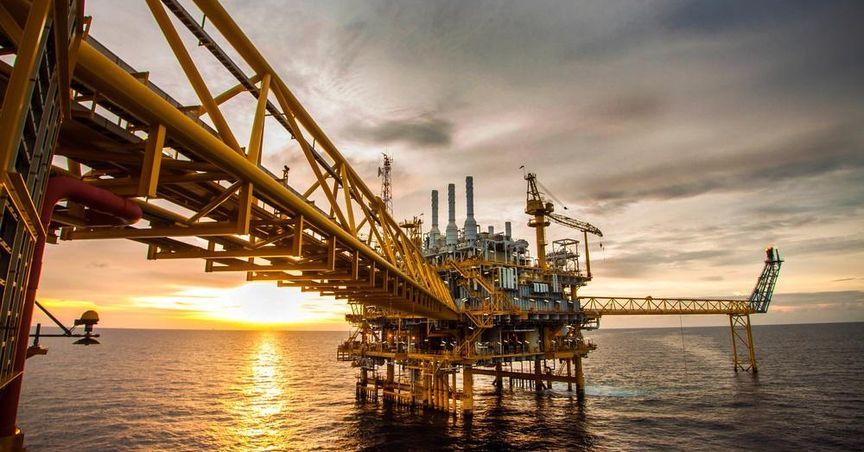
Woodside remains one of Australia’s most recognised energy producers, with operations spanning liquefied natural gas, pipeline gas, crude oil, condensate, natural gas liquids, marketing, shipping and trading activities.
The company occupies a significant position within Australia’s LNG industry, a sector that continues to play an important role in meeting energy demand across international markets.
As global economies navigate evolving energy requirements, LNG remains a crucial component of the energy mix for many nations seeking reliable and flexible supply solutions. This strategic positioning continues to make Woodside a closely watched stock within the Australian energy landscape.
Scarborough Progress Continues to Draw Attention
One of the most closely followed developments within Woodside’s portfolio remains the Scarborough Energy Project.
The project is widely viewed as a major growth initiative for the company and has remained a focal point for market observers assessing Woodside’s future production profile. Recent updates indicated that construction and commissioning activities continue to advance, with key infrastructure components moving through important stages of completion.
The progress of Scarborough is significant because it represents an important source of future LNG production. Successful execution of the project is expected to strengthen Woodside’s operational footprint and support long-term production capacity.
As development milestones continue to be achieved, the project remains central to discussions surrounding Woodside’s medium-term outlook.
Production Trends Reflect Operational Cycles
Like many large-scale energy businesses, Woodside’s production performance can be influenced by operational factors, weather conditions and scheduled maintenance programs.
Recent company updates highlighted the impact of seasonal conditions on production levels, while also noting improvements in realised pricing outcomes. Such fluctuations are not uncommon within the energy sector, where operational timing can influence quarterly performance.
Importantly, the company has maintained its broader production outlook, suggesting confidence in ongoing operational plans despite temporary disruptions.
Market participants typically assess these updates in the context of long-term project execution rather than focusing solely on individual reporting periods.
Planned Maintenance Supports Reliability Goals
Maintenance programs remain a routine but critical component of energy infrastructure management.
Woodside has outlined scheduled maintenance activities across important LNG facilities as part of broader reliability and operational excellence initiatives. While such programs can temporarily affect production timing, they are generally designed to support long-term asset performance and operational stability.
For major LNG operators, maintaining reliability is particularly important given the scale and complexity of production facilities. Effective maintenance planning can help reduce operational risks and support future output consistency.
As a result, these activities continue to form part of Woodside’s broader strategy to optimise performance across its asset portfolio.
A Market Balancing Short and Long-Term Factors
Woodside’s recent share market performance highlights the balance investors often attempt to strike between short-term commodity trends and long-term business fundamentals.
On one hand, daily oil price movements and geopolitical developments can significantly influence market sentiment. On the other, major project delivery, operational efficiency and production growth remain key factors shaping longer-term assessments of energy companies.
This balancing act is particularly relevant for large integrated producers operating across multiple energy markets. While commodity volatility may drive near-term fluctuations, strategic projects and operational execution often play a larger role in determining sustained market confidence.
Energy Shares Continue to Command Attention
The latest trading session demonstrated that energy stocks remain highly responsive to global developments.
As commodity markets react to geopolitical events, energy producers frequently become a focal point for investors seeking exposure to sectors directly linked to changing supply and demand dynamics.
Woodside’s ability to finish higher despite broader market weakness reflected the ongoing interest in companies with significant exposure to oil and LNG markets. The performance also reinforced the importance of sector-specific drivers in shaping individual stock outcomes.
While market conditions remain fluid, energy companies continue to occupy a prominent place within the Australian market conversation.
Woodside enters the coming months with several important themes likely to remain in focus. Global oil price movements, LNG demand trends, project execution and operational performance are expected to continue influencing sentiment surrounding the company.
At the same time, broader market conditions and geopolitical developments may contribute to ongoing volatility across energy markets.
For now, Woodside’s latest trading performance highlights how energy producers can attract attention even when the wider market struggles for direction. As the company progresses major projects and advances operational priorities, it remains one of the most closely watched names within Australia’s energy sector.
