
 AUS
AUS
 NZ
NZ
 UK
UK
 CA
CA
 USA
USA
 IND
IND







Highlights
Woodside Energy (ASX:WDS), Santos (ASX:STO), and Origin Energy (ASX:ORG) remain prominent names within Australia's energy sector.
Energy producers, utilities, and fuel suppliers continue to influence benchmark activity across the ASX 300.
AGL Energy (ASX:AGL), Beach Energy (ASX:BPT), and Karoon Energy (ASX:KAR) add further diversity through electricity generation, oil and gas operations, and energy supply activities.
Australia's energy sector continues to support domestic supply, resource development, electricity generation, and export activity through a diverse mix of producers, utilities, and infrastructure operators.
Australia's energy sector remains one of the most significant components of the domestic share market, encompassing oil and gas producers, electricity providers, energy infrastructure operators, fuel suppliers, and resource-focused businesses. Many of the sector's largest participants maintain strong representation within the ASX 200, highlighting the importance of energy production and supply to the broader Australian economy. Energy companies continue to play a central role in supporting households, industries, transportation systems, and export markets.
Woodside Energy (ASX:WDS), Santos, Origin Energy, AGL Energy, Beach Energy, and Karoon Energy represent different segments of Australia's energy landscape. Together they demonstrate how the sector spans upstream resource development, electricity generation, retail energy services, fuel production, and energy infrastructure. Their activities contribute to Australia's position as both a major energy producer and a significant participant in global energy markets.
Energy demand remains closely linked to economic activity. Manufacturing facilities, transport networks, residential communities, commercial operations, and digital infrastructure all rely on dependable access to energy. As a result, developments within the energy sector often attract attention across the broader market.
Australia's energy mix continues to evolve. Traditional energy sources remain important contributors to supply, while renewable energy projects, storage technologies, and transmission infrastructure continue to expand. This combination has created a diverse operating environment for listed energy companies.
The sector is also shaped by global market dynamics. International demand for energy commodities, trade flows, industrial activity, and infrastructure requirements contribute to ongoing interest in energy-related businesses. Companies operating within the sector frequently engage with both domestic and international markets.
As energy consumption patterns continue to develop, the sector remains a key pillar of Australia's economic framework. The activities of major listed companies influence employment, infrastructure development, industrial operations, and export activity throughout the country.
Oil and Gas Producers Remain Central to the Sector
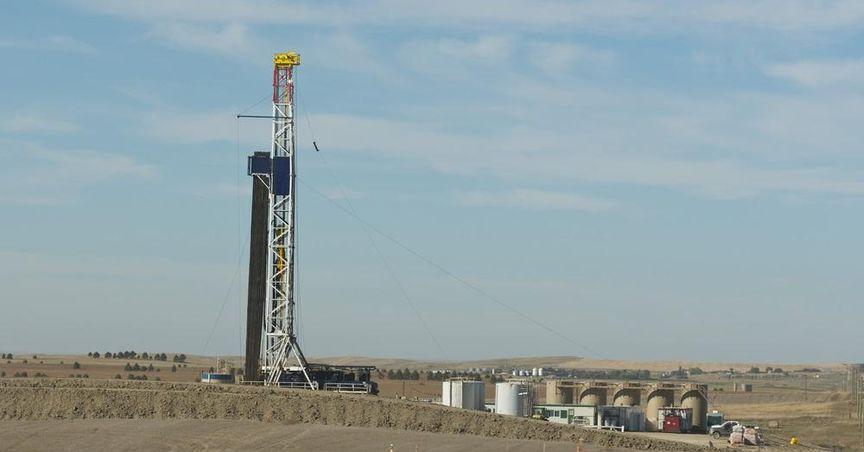
Oil and gas operations continue to represent a major component of Australia's listed energy market. Exploration, production, processing, transportation, and export activities contribute significantly to sector activity and market representation.
Woodside Energy occupies a prominent position within Australia's energy landscape. Through its involvement in oil and gas projects, the company contributes to domestic energy supply and international export markets. Resource development remains a key component of Australia's broader energy industry.
Santos is another major participant in the oil and gas segment. The company operates across exploration, production, and energy supply activities, reflecting the integrated nature of many energy businesses. Oil and gas producers continue to support industrial activity, electricity generation, and export operations.
Energy commodities play an important role in supporting economic activity across numerous sectors. Manufacturing, transport, mining, construction, and commercial operations often depend on reliable access to fuel and energy resources. This connection reinforces the significance of energy producers within the economy.
Global energy demand continues to influence operational decisions across the sector. Resource producers frequently engage with international markets, making energy exports an important aspect of Australia's economic activity. The sector therefore maintains both domestic and international relevance.
Oil and gas infrastructure also contributes to the industry's operational framework. Processing facilities, pipelines, storage assets, and transportation networks support the movement of energy resources throughout supply chains. These assets form an important part of the broader energy ecosystem.
Technological advancements continue to shape operational efficiency across energy production activities. Companies frequently invest in infrastructure improvements, project development, and operational enhancements that support long-term resource management.
The oil and gas segment remains one of the most visible parts of Australia's energy market due to its scale, export significance, and contribution to national energy supply.
Electricity Generation and Energy Supply Continue to Evolve
Electricity generation and retail energy services represent another important area within Australia's energy sector. Households, businesses, industrial facilities, and public infrastructure all rely on dependable electricity supply.
Origin Energy maintains operations across electricity generation, retail energy services, and broader energy-related activities. The company highlights the diverse nature of Australia's energy market, where businesses often participate across multiple segments of the supply chain.
AGL Energy remains a major participant in electricity generation and retail energy services. Through its operational footprint, the company contributes to the delivery of energy solutions across residential and commercial markets. Electricity providers continue to occupy an important role within Australia's energy landscape.
Australia's electricity sector encompasses a mix of traditional generation assets, renewable energy projects, transmission networks, and storage technologies. This diversity reflects the changing nature of energy supply and infrastructure development across the country.
Energy retailers play a critical role by connecting generation assets with end users. Through customer services, billing systems, and supply management activities, these businesses facilitate the distribution of energy throughout the economy.
Infrastructure investment remains important within the electricity market. Transmission networks, grid upgrades, storage facilities, and renewable energy integration projects contribute to the ongoing evolution of Australia's energy system.
The increasing digitalisation of energy operations has also influenced the sector. Smart technologies, data management systems, and network-monitoring capabilities continue to improve operational visibility and service delivery.
Electricity generation and energy retailing therefore remain central components of Australia's energy sector, complementing resource development and export-oriented activities.
Diverse Energy Businesses Expand Sector Representation
Australia's listed energy market extends beyond the largest producers and utilities. Smaller and mid-sized companies contribute additional operational diversity through specialised activities, regional operations, and focused energy projects.
Beach Energy participates in oil and gas development activities across various operational areas. Companies of this nature contribute to resource supply and help broaden the range of energy businesses represented within the market.
Karoon Energy adds further exposure to the energy sector through oil and gas operations. The presence of multiple operators across the industry contributes to a more diverse energy landscape and supports broader sector participation.
Energy companies often operate within specialised niches while remaining connected to broader industry themes. Exploration activities, production operations, infrastructure management, and energy distribution all contribute to the sector's complexity.
The energy sector also intersects with themes involving industrial development, transportation networks, manufacturing activity, and export infrastructure. These connections reinforce its significance within the broader economy.
Australia's role as a major resource producer has historically contributed to the prominence of energy companies within the listed market. Resource development activities continue to support employment, infrastructure investment, and export earnings across multiple regions.
The diversity of energy businesses means that sector participants often respond to different operational drivers. Electricity providers, oil and gas producers, and energy infrastructure operators each occupy distinct positions within the broader industry framework.
Broader market discussions frequently reference the asx all ords, where energy companies contribute alongside organisations operating across financial services, healthcare, industrials, technology, and consumer sectors.
Benchmark Representation and Energy's Market Influence
Energy companies maintain a significant presence across Australia's benchmark structure due to their scale, operational importance, and contribution to economic activity. Their participation within major indices highlights the sector's ongoing relevance.
The ASX 100 includes several leading energy businesses whose operations influence broader market activity. Benchmark participation enhances visibility and reinforces the role energy companies play within Australia's listed corporate landscape.
Energy businesses often attract attention because of their connection to commodity production, electricity supply, infrastructure development, and industrial activity. These links make the sector relevant to a wide range of economic functions.
Benchmark-linked products frequently maintain exposure to energy companies due to their representation within major indices. As passive investment strategies continue to expand globally, benchmark composition remains an important aspect of market participation.
The sector also continues to evolve through technological innovation, infrastructure investment, and changing energy requirements. Companies operating within the industry frequently adapt to shifting market conditions while maintaining essential supply functions.
Energy infrastructure remains a critical component of national economic activity. Production facilities, transportation networks, storage assets, and electricity systems all contribute to the delivery of energy across the economy.
Discussions surrounding ASX dividend stocks frequently include established energy companies due to their long-standing presence within Australia's listed market environment. Energy businesses continue to occupy an important position within broader market conversations involving resources, infrastructure, and industrial activity.
Australia's energy sector encompasses oil and gas producers, electricity providers, resource developers, and energy infrastructure operators. Companies such as Woodside Energy, Santos, Origin Energy, AGL Energy, Beach Energy, and Karoon Energy continue to contribute to the country's energy landscape while maintaining a significant presence across the Australian share market.
