
 AUS
AUS
 NZ
NZ
 UK
UK
 CA
CA
 USA
USA
 IND
IND




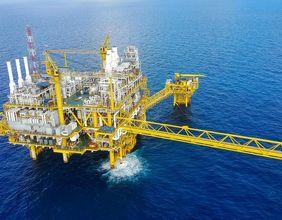


Royal Dutch Shell is amongst the biggest energy and petrochemical companies having an average of 86,000 employees in more than 70 countries. The group is aiming to become the largest electricity provider by the 2030s, as it is preparing to utilise low carbon sources as a primary source to produce electricity. Hence making an elementary shift in global energy supply business.[optin-monster-shortcode id="wxhmli4jjedneglg1trq"]
The groupâs current focus is on developing the power business which is having the same potential growth as its oil or gas operations. Power business also includes customer supplies and dealing in the equipmentâs. Currently, the shell is moving to its short-term goal of lowering down its greenhouse gas emissions by 2035. This will help the group to generate clean power and will make them the most significant power company by far.
To achieve this ambition, the group should be able to secure a return of 8-12 per cent on its capital. With the help of global presence and the demand of brand, the group could easily get its hand on cheapest gas anywhere for its gas business, which could help them to achieve the required returns from there capital.
The group expect that it is way ahead of its competitors as most of them are dependent on outdated business models. Many of their competitors have a disadvantage of having a large number of coal plants and nuclear plants, and they use very centralised philosophy to operate its business operations.
By 2020, Shell is planning to invest $1 billion-$2 billion a year in new energy technologies including electricity. The group has an annual capital expenditure of about $25 billion. The early investment will help the company to prove its hypothesis that they can succeed in electricity. The company will make these investments for the number of years, and then they will scale it up.
The company expects that there would be a shift in energy system globally, as a result the use of electricity would be increased. The consumption would be up from about 20 per cent today to about 50 per cent or more in the coming future.
Currently, most of the companyâs business is from oil production & refining which is roughly 65 per cent, 25 per cent from gas and 10 per cent from chemicals & other operations. By the 2030s, the company is expecting 30 per cent from each oil, gas & electricity and 10 per cent still from chemicals.
Shell is making considerable investments in electricity supply chain like other energy majors such as Total and Repsol. The company is investing heavily from power generation to set up electric car charge points. The company had made many small acquisitions like last month they acquired Sonnen, a German battery company. Last year the company had takeover power supplier First Utility; it gave the company direct access to retail electricity consumers. The company also bought New Motion, one of Europeâs largest electric vehicle charging enterprises.Shell and its competitors believe that they can provide a better customer experience compared with traditional utilities, as they can deploy advanced technologies to crunch data about how and when customers use electricity to offer them with the best service.
