
 AUS
AUS
 NZ
NZ
 UK
UK
 CA
CA
 USA
USA
 IND
IND






Highlights
- Shell and BP moved higher as a supply scare lifted crude prices across the London market.
- Firmer oil was seen supporting energy earnings, reinforcing the leverage of the majors to the crude price.
- Centrica featured in the wider sector discussion as attention spread across supply, generation and home energy.
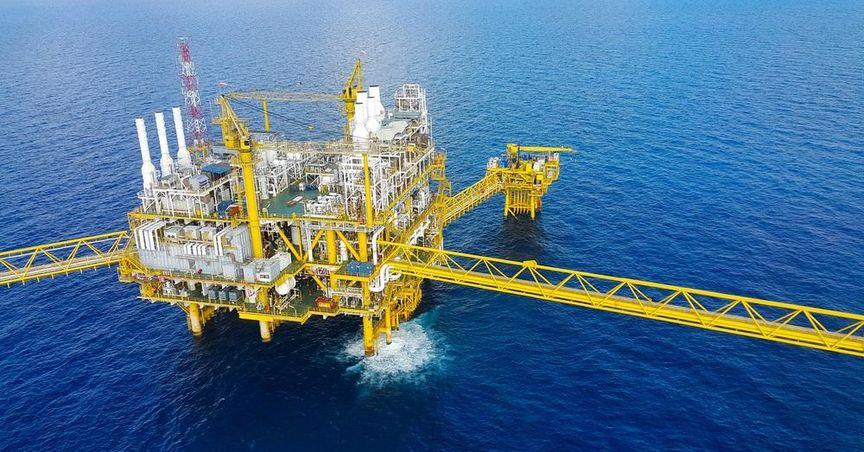
Shell (LSE:SHEL) took the wheel across the London market as a supply scare pushed crude prices higher, lifting energy names and putting the sector back at the front of the conversation. Geopolitical tension around a critical shipping route revived worries about the free flow of oil, driving fresh interest in the country's largest energy businesses. When crude swings on supply fears, the majors most closely tied to the price of oil and gas tend to move first, and the reaction underlined how quickly external events can reshape sentiment across the complex.
What Is Lifting The Majors?
Shell, one of the largest companies on the London market, benefits when oil and gas prices rise, and the group has also pointed to stronger gas production, giving it a second tailwind alongside the move in crude. BP advanced as firmer oil was seen adding meaningfully to its next set of earnings. Both blue-chip names are closely tied to the direction of energy markets, which makes them natural focal points whenever prices swing.
The leverage runs through the whole model. Higher realised prices lift upstream cash flow, support returns and ease the funding of distributions and reinvestment. For integrated groups that also refine and trade, a move in crude ripples across the business, which is why the market watches the majors so closely when supply fears surface and the outlook for prices grows less certain.
Scale is central to that leverage. As one of the biggest names on the market, the group commands a diversified production base and a trading arm that can capture value from volatile conditions, so a firmer price tends to feed through to cash generation across upstream, refining and marketing rather than a single part of the chain.
Why Is The Oil Price Moving?
Crude climbed on concern about supply disruption near a critical shipping chokepoint, where any threat to the free movement of oil can spark fears of a crunch. Such geopolitical flashpoints tend to feed quickly into energy prices, and the latest move reflected that sensitivity. The backdrop underscored how external events can rapidly reshape sentiment across the energy complex, and it explains why UK Energy Stocks so often react sharply to headlines from key producing and transit regions.
Chokepoints matter because a large share of seaborne crude passes through a handful of narrow routes. When passage looks uncertain, traders price in the risk of tighter supply, and that premium flows straight through to the earnings expectations for producers and refiners with exposure to global markets. The speed of the reaction reflects just how finely balanced supply and demand can feel at moments of tension.
The premium can unwind as quickly as it builds. If tensions ease and passage looks secure again, the risk premium tends to drain out of the price, which is why moves driven by supply scares can prove sharp but short-lived. That two-way sensitivity keeps the market alert to every development around the routes that matter most for seaborne crude.
How Are Broader Energy Names Positioned?
Beyond the two majors, Centrica (LSE:CNA) featured in the wider energy-sector discussion as the market assessed exposure across supply, generation and home energy. The interplay between commodity prices, production outlooks and geopolitical risk continues to shape how the market weighs energy names, and attention has centred on how those factors filter through to earnings and cash generation.
Utilities and suppliers sit at a different point in the chain from the producers, with earnings shaped by generation, retail supply and regulation as much as by the crude price itself. That contrast means a supply scare does not lift every energy label in the same way, and the market tends to separate the pure commodity plays from businesses whose fortunes rest more on domestic demand and the regulatory backdrop.
For suppliers closer to the customer, the picture is more nuanced still. Regulation of retail tariffs, the cost of wholesale energy and the balance between generation and demand all shape earnings in ways that do not track the crude price one-for-one, which is why the market judges these names on a different set of drivers from the producers.
What The Supply Scare Signals For The Sector
Episodes like this are a reminder of how tightly the energy majors are bound to global events. A single flashpoint near a vital transit route can move crude, and with it the earnings expectations of the producers most exposed to price. For the largest names on the London market, that sensitivity cuts both ways, offering a tailwind when prices climb and a headwind when they ease.
The measured strength across energy shares reflected a market weighing durability alongside the immediate move. Attention has settled on production trends, the resilience of cash generation and the discipline of capital returns. Whether the supply scare fades or hardens into a longer disruption, it has returned energy names to the centre of the London conversation, where commodity prices, geopolitics and earnings power will keep drawing scrutiny.
The episode also underscores the strategic weight the majors carry within the market. As some of its largest constituents by value, their swings ripple through the broader mood, so a move in crude is felt well beyond the energy aisle and helps set the tone for the session as a whole.
