
 AUS
AUS
 NZ
NZ
 UK
UK
 CA
CA
 USA
USA
 IND
IND







Highlights:
- £2 Billion Green Light: Ofgem has approved a £2 billion subsea cable project to transport wind energy from Scotland to the North East of England.
- Boost to Energy Security: The 196km-long Eastern Green Link 1 will help reduce Britain’s reliance on volatile gas markets and cut customer bills.
- 2GW Transmission Capacity: The cable will transmit enough electricity to power around two million homes, supporting the UK’s clean energy transition.
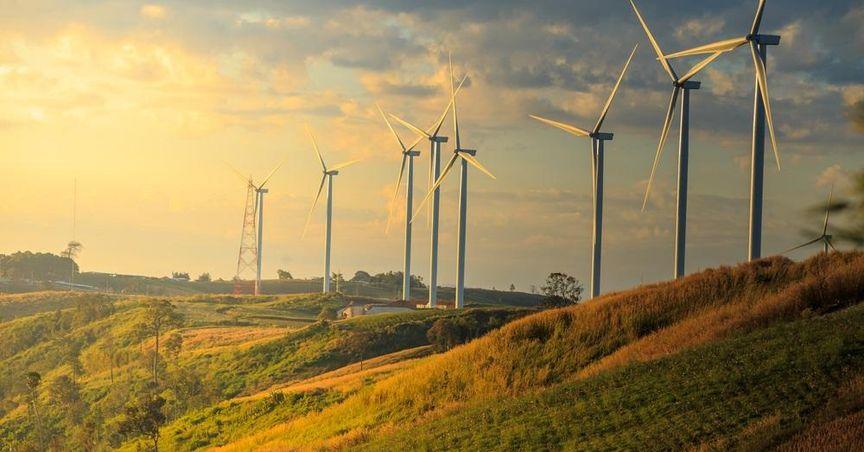
The UK’s energy regulator, Ofgem, has given the go-ahead for a £2 billion subsea and underground cable project designed to transport electricity generated by wind farms in Scotland to the North East of England. This major infrastructure investment, part of the Eastern Green Link 1 (EGL1) initiative, is expected to significantly bolster the UK’s energy security and lower consumer costs.
Harnessing Scotland’s Wind Power
The 196km-long cable will predominantly be laid under the North Sea, with a shorter onshore section of approximately 20km. Once completed, the high-voltage direct current (HVDC) cable will transmit up to 2GW of electricity, equivalent to powering around two million homes.
The subsea link will connect Torness in East Lothian, Scotland, to Hawthorn Pit in County Durham, England. This new transmission route aims to alleviate the current grid congestion that forces wind farms to shut down during periods of high wind due to limited capacity.
Ofgem highlighted the strategic importance of the project, stating: “The Eastern Green Link 1 will help reduce Great Britain’s reliance on volatile international gas markets by further harnessing the power of homegrown North Sea wind.”
Cutting Costs and Emissions
The EGL1 project is expected to bring substantial financial benefits, with estimates suggesting it could reduce customer bills by £870 million annually. This reduction comes from minimising the compensation payments currently made to wind farm operators who are asked to switch off their turbines when the grid cannot accommodate additional power. By enhancing grid capacity, the project will enable more consistent use of renewable energy, cutting down on waste and reducing emissions.
The initiative aligns with the UK government’s broader strategy to enhance energy security and transition towards a cleaner, more sustainable power system. By increasing the transmission of wind-generated electricity, the project will play a key role in meeting the country’s climate targets and reducing dependency on fossil fuels.
Strategic Benefits and Future Outlook
The National Energy System Operator (NESO) has described the subsea cable as a critical component of the UK’s future energy infrastructure. The new link will not only facilitate the integration of additional wind capacity but also enhance the flexibility of the UK’s electricity grid, making it more resilient to fluctuations in supply and demand.
Beatrice Filkin, Ofgem’s director of major projects, commented: “Today’s announcement takes us another step closer to achieving Great Britain’s 2030 Clean Power ambitions. The project will allow customers to benefit from abundant homegrown wind while shielding them from volatile gas prices.”
The approval of the EGL1 project follows a series of green energy initiatives across the UK, aimed at strengthening the national grid and supporting the transition to net-zero emissions. Earlier this week, National Grid received the green light for another subsea cable project, aimed at connecting offshore wind farms in Dutch and Belgian waters to the UK grid.
Driving the UK’s Clean Energy Future
With construction set to begin soon, the Eastern Green Link 1 project marks a significant milestone in the UK’s push towards a cleaner, more secure energy system. By enabling the efficient transmission of renewable energy from Scotland’s wind farms to high-demand areas in England, the project will play a pivotal role in reducing carbon emissions and enhancing the stability of the UK’s power supply.
As the UK continues to invest in large-scale renewable energy infrastructure, projects like EGL1 are expected to provide a robust foundation for meeting the country’s clean energy targets, supporting economic growth, and delivering long-term benefits for consumers and businesses alike.
