
 AUS
AUS
 NZ
NZ
 UK
UK
 CA
CA
 USA
USA
 IND
IND


_06_15_2026_05_04_49_929943.jpg)


Highlights
Paladin Energy (ASX:PDN) surged on renewed global nuclear demand momentum and US enrichment expansion signals.
Inclusion into the S&P/ASX 100 marks a structural shift in the company’s market standing.
Uranium peers including Boss Energy (ASX:BOE) and Deep Yellow (ASX:DYL) also advanced on sector-wide momentum.
Paladin Energy (ASX:PDN) gains momentum on uranium demand and US nuclear expansion news, alongside index inclusion and broader movement across ASX uranium and energy-linked stocks.
Australia’s uranium sector has re-emerged as one of the most closely watched segments within the broader Australian stock market, with renewed global attention on nuclear energy reshaping sentiment across ASX-listed energy and resource companies. Within this environment, Paladin Energy (ASX:PDN), a uranium-focused producer with exposure to African mining operations, has drawn significant market focus following a sharp lift linked to international nuclear expansion developments and index reclassification into the ASX 100.
The uranium theme sits within the broader ASX energy and resources landscape, where companies linked to nuclear fuel supply chains are increasingly viewed through the lens of global energy security and long-duration electricity demand planning. The renewed focus from the United States on nuclear enrichment capacity expansion has added another layer of attention to uranium producers, reinforcing the strategic relevance of the sector across ASX mining stocks and global energy markets.
Paladin Energy (ASX:PDN) has become a central reference point for uranium exposure on the ASX, while peers such as Boss Energy (ASX:BOE) and Deep Yellow (ASX:DYL) have also reflected similar sentiment shifts. Together, these companies form part of a broader narrative shaping ASX energy stocks, where nuclear fuel supply dynamics are increasingly influencing market positioning.
Paladin Energy’s operational position in the uranium supply chain
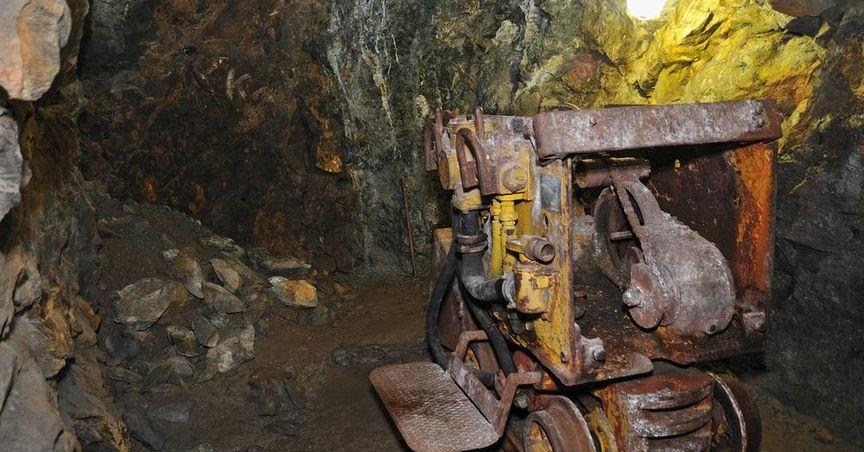
Paladin Energy operates within the uranium production segment through its flagship Langer Heinrich mine in Namibia, one of the more established uranium mining assets linked to the ASX-listed resource base. The asset plays a key role in the company’s production footprint, providing direct exposure to uranium output and global nuclear fuel supply chains.
The uranium mining industry differs from other commodity sectors due to its long development timelines, regulatory oversight, and direct linkage to nuclear energy infrastructure. Demand for uranium is shaped by reactor activity, enrichment capacity, government energy policies, and long-term electricity generation strategies across multiple regions.
In this environment, Paladin Energy’s positioning within the uranium production cycle has become more visible, particularly as global nuclear discussions gain traction. The company’s inclusion in broader index frameworks reflects shifting market capitalisation dynamics and increased investor attention on uranium-linked assets.
Peers such as Boss Energy (ASX:BOE), which operates uranium production assets in Australia, and Deep Yellow (ASX:DYL), a development-stage uranium company with diversified project exposure, provide comparative context within ASX mining stocks. These companies collectively highlight the multi-stage nature of uranium development, ranging from production to project advancement.
The uranium sector’s connection to global energy transition themes also positions it alongside broader ASX energy stocks, where traditional fossil fuel companies and emerging low-carbon energy providers coexist within evolving market frameworks.
US nuclear expansion signals reshape uranium market sentiment
A key development influencing uranium-focused equities has been the announcement of expanded nuclear enrichment capacity in the United States. Such infrastructure developments are significant for uranium markets because enrichment capacity is a critical stage in the nuclear fuel cycle, directly linked to reactor fuel availability.
The expansion of enrichment facilities signals a broader policy alignment toward strengthening nuclear energy infrastructure as part of long-term energy security planning. This has implications for uranium producers globally, including ASX-listed companies that form part of the supply chain feeding international nuclear demand.
Market participants have historically treated uranium equities as sensitive to supply-demand signals in nuclear infrastructure investment cycles. As enrichment capacity expands, attention often shifts toward upstream uranium supply requirements, reinforcing the relevance of mining companies within this segment.
Paladin Energy (ASX:PDN) has been one of the most visible beneficiaries of this shift, reflecting heightened attention on uranium producers with established production capabilities. The movement has also been mirrored across ASX lithium stocks and other critical mineral sectors, where energy transition narratives continue to influence capital flows.
Within broader market context, uranium-related developments are often tracked alongside movements in ASX metal & mining stocks, where commodity cycles and global demand conditions play a central role in shaping sector behaviour.
Index reclassification adds structural visibility for Paladin Energy
A major structural development for Paladin Energy has been its inclusion into the S&P/ASX 100, a benchmark that captures a broader segment of the Australian equities market. Index inclusion often reflects changes in market capitalisation, liquidity profile, and overall market relevance.
The transition into the S&P/ASX 100 places Paladin Energy alongside a wider group of established Australian companies across sectors including financial services, resources, healthcare, and industrials. This shift can influence passive investment exposure, as index-linked funds adjust their holdings to reflect benchmark composition.
Index movement also highlights how uranium companies are increasingly being integrated into mainstream market frameworks rather than remaining niche resource exposures. This evolution is part of a broader trend within ASX energy stocks, where traditional energy and emerging low-carbon segments are increasingly overlapping.
The inclusion into a major index also aligns Paladin Energy more closely with broader market visibility across the Australian stock market, where institutional and benchmark-driven flows often influence trading activity across large-cap segments.
This development places Paladin within the same visibility bracket as other mid-to-large resource companies in the Australian stock exchange ecosystem, reinforcing its position within uranium-focused investment narratives.
Uranium peers reflect broader sector momentum across ASX mining stocks
The movement in Paladin Energy has not occurred in isolation. Uranium peers including Boss Energy (ASX:BOE) and Deep Yellow (ASX:DYL) have also experienced increased attention as the uranium thematic gains traction.
Boss Energy operates uranium production assets and has exposure to both domestic and international uranium markets, while Deep Yellow focuses on project development across multiple uranium assets. These companies represent different stages of the uranium lifecycle, from production to exploration and development.
The collective movement across uranium stocks reflects broader sentiment shifts within ASX mining stocks, where commodity-specific narratives can rapidly influence sector positioning. Uranium, in particular, has become more closely associated with global energy transition discussions, especially as nuclear energy re-enters policy discussions in several major economies.
This sector-wide movement also highlights how ASX energy stocks are increasingly shaped by global policy developments rather than purely domestic demand conditions. The uranium sector is uniquely exposed to international nuclear infrastructure decisions, making it sensitive to developments such as enrichment capacity expansions and reactor deployment programs.
Within this environment, uranium stocks remain part of a broader conversation across ASX metal & mining stocks, where resource-driven companies are influenced by both commodity pricing dynamics and structural demand themes.
Broader market context and uranium’s evolving role
The renewed attention on uranium reflects a broader shift in global energy narratives, where nuclear power is being reassessed as part of long-duration energy planning. This has implications for uranium supply chains, including mining, processing, and enrichment stages.
ASX-listed uranium companies sit within a global supply network that is influenced by energy policy decisions, reactor lifecycle management, and international fuel procurement strategies. These factors create a multi-layered operating environment for companies such as Paladin Energy (ASX:PDN).
At the same time, uranium equities are increasingly being viewed alongside other energy transition sectors, including ASX lithium stocks, renewable energy companies, and critical mineral producers. This cross-sector interaction reflects the broader complexity of energy transformation themes within the Australian stock market.
The inclusion of uranium companies into mainstream indices also reinforces their integration into broader investment frameworks, where sector classification is becoming less rigid as energy systems evolve.
Within this evolving environment, Paladin Energy’s position reflects both operational exposure to uranium production and increasing alignment with broader market structures across ASX energy stocks and global resource markets.
