
 AUS
AUS
 NZ
NZ
 UK
UK
 CA
CA
 USA
USA
 IND
IND







Highlights:
- Arctic Air Set to Bring Colder Weather: The UK Met Office warns of a cold snap next weekend, with the potential for snow on higher ground in the north.
- Drop in Renewable Energy Output: Calm and cloudy conditions have reduced renewable energy generation, with fossil fuels covering over half of the UK’s power needs recently.
- Gas Prices Surge Amid Supply Race: Limited global gas supplies and heightened demand have pushed UK gas prices up sharply, as the country competes with the EU for resources.
A significant weather shift is expected in the UK as colder Arctic air moves in next weekend, following a period of milder, still conditions that have hindered renewable energy production. The UK Met Office has issued warnings of unsettled weather, including the possibility of snow and stronger winds, as the country prepares for a cold snap.
Weather Forecast: Arctic Blast on the Horizon
Met Office deputy chief meteorologist Mark Sidaway noted that the incoming cold front could bring snow, particularly to higher ground in northern regions. "There is a lot of uncertainty by Sunday, but several scenarios suggest widespread rain, hill snow, and stronger winds," Sidaway explained. He added that weather warnings for winter hazards could be issued later in the weekend, urging the public to stay updated with the latest forecasts.
Renewable Energy Struggles Amid Calm Conditions
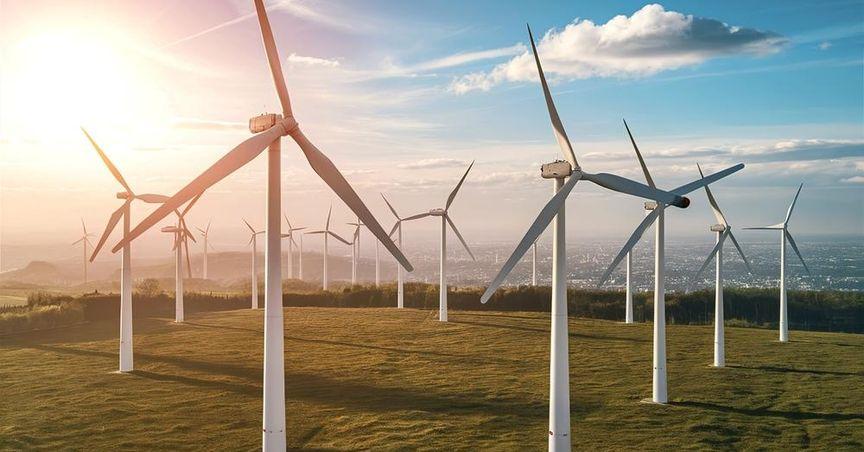
The UK's renewable energy generation has faced challenges in recent weeks due to still and cloudy weather. Wind and solar power, which typically provide a substantial share of the country’s electricity, have been limited by the lack of wind and reduced sunshine. According to figures from the National Grid, fossil fuels supplied 50.6% of the UK’s power in the past week, a significant increase from the 28.3% share seen over the past year.
Renewable sources contributed just 17.6% of the country’s power in the same period, a sharp decline from the 37.7% share recorded over the last year. The Met Office reported that sunshine levels at the start of November were well below average, accounting for only 14% of the long-term monthly average, compared to the typical 37%.
Even during winter, solar power plays a crucial role in the UK’s energy mix, at times generating up to 20% of the nation's electricity. However, reduced sunshine and calm weather have cut into this supply, increasing the reliance on fossil fuels.
Rising Gas Prices and Supply Concerns
The drop in renewable energy output has coincided with a surge in gas prices as the UK and Europe scramble to secure limited supplies ahead of winter. UK gas prices have climbed by 12.5% since the start of November, reaching 111.81p per therm as of Tuesday. The Financial Times reported that the UK has been paying significantly higher prices for natural gas compared to the EU, as it competes with neighboring countries for scarce supplies.
This situation has been exacerbated by the UK's high gas transmission costs and a lack of substantial gas storage facilities. With a shortage of liquefied natural gas (LNG) globally, the UK has been forced to offer higher prices to attract shipments, putting additional pressure on energy costs as the colder months approach.
Outlook: Winter Challenges Ahead
As the UK braces for colder weather, the combination of increased fossil fuel reliance and rising gas prices highlights the ongoing challenges in balancing energy supply. The shift from milder conditions to a potentially harsh winter underscores the volatility in renewable energy generation and the country’s continued dependency on traditional energy sources.
With the forecast for snow and colder temperatures, the strain on the energy system is likely to intensify, making the need for secure and diversified energy supplies more critical than ever. The upcoming cold snap may test the resilience of the UK’s energy infrastructure, as both demand and prices are set to rise amid the seasonal shift.
