
 AUS
AUS
 NZ
NZ
 UK
UK
 CA
CA
 USA
USA
 IND
IND






Highlights
- The demand for lithium-ion batteries has increased significantly, driven by rising vehicle electrification and growing focus on renewable energy generation.
- Around 18,600 tonnes of batteries are discarded to landfill in Australia each year, as per the Australian Government statistics.
- Expected to be launched in January 2022, the Battery Stewardship Scheme is an industry-led initiative that aims to boost battery collection and recycling.
The world is increasingly adopting battery technology across diverse areas, from running laptops and mobile phones to powering electric vehicles. The need for such shift is undeniable, as growing environmental challenges and declining fossil fuel reserves continue to threaten the quality of life on earth.
At the centre of this transition lies lithium-ion batteries, which are poised to be a game changer in the battery storage space. The demand for lithium-ion batteries has increased significantly across the globe, driven by increasing vehicle electrification and growing focus on the renewable energy generation and storage sectors.
Source: Copyright © 2022 Kalkine Media®
GOOD WATCH: What Loans Are Available in Australia to Buy an Electric Vehicle?
Amidst the increasing demand for batteries, the emergent challenge is piling waste of batteries after they die. The safe handling of discarded batteries has become a prime concern for Australia, the world's largest lithium producer.
Australian Government eyes domestic recycling capability with BSS
The Battery Stewardship Scheme (BSS), expected to be launched in January 2022, is an industry-led initiative that aims to boost battery collection and recycling in Australia. The scheme would provide free battery recycling to consumers across the country and will be actively pursuing participants from different industries.
The Battery Stewardship Council has recruited industry partners such as Coles, Woolworths, Duracell, and Energizer to fund recycling and provide collection services for end-of-life batteries. The scheme is also intended to increase awareness of battery recycling and battery safety, which would minimise health, safety, and environmental impacts of end-of-life Batteries.
ALSO READ: Recycling market: Cleanaway Waste Management
Through the National Product Stewardship Investment Fund, the Australian Government has provided a grant of AU$1 million for the project.
ALSO READ: Is Australia building political landscape on climate change for 2022 elections?
What are battery recycling challenges?
As electric vehicles (EVs) and household batteries are picking up steam in Australia, the country is facing a significant challenge of dealing with renewable energy waste. Auto manufacturers recalled several electric vehicles due to fire issues, with battery recyclers working to process these products.
ALSO READ: Waste management in Australia: Here’s what you need to know
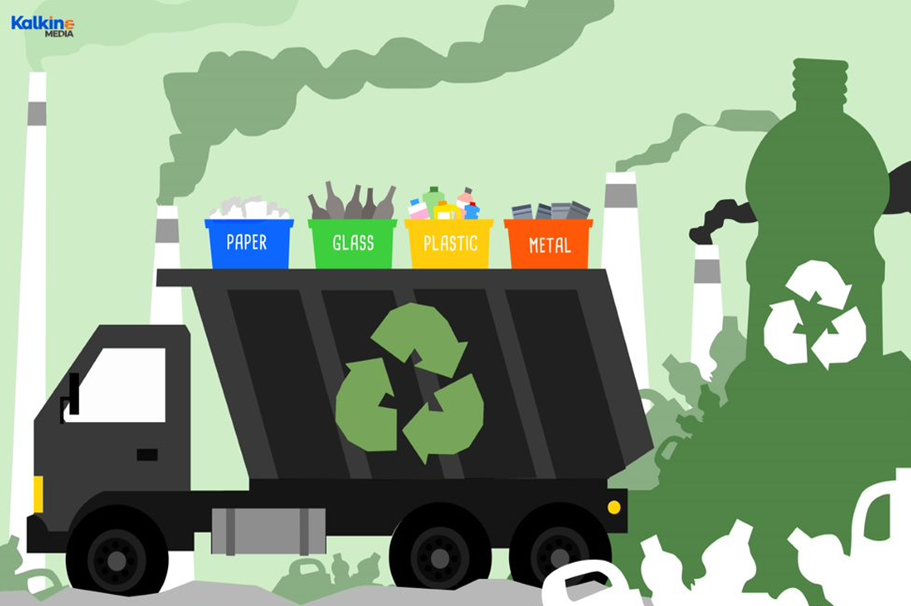
As per the Australian Government statistics, around 18,600 tonnes of batteries are discarded to landfill in Australia each year. As all batteries are hazardous to a certain degree, it becomes important to dispose of batteries safely and responsibly.
However, processing lithium-ion batteries inside the vehicles could prove to be a daunting task for Australian recyclers, who recognise that these batteries are valuable but also potentially toxic minerals that have environmental implications if dumped incorrectly.
With demand for batteries set to increase at a brisk pace in the next decade, volume of spent lithium-ion batteries would also surge. Thus, measures as well as technological advancements are needed to keep the spent batteries out of landfill to prevent any environmental damage as well as to retain valuable battery materials.
