
 AUS
AUS
 NZ
NZ
 UK
UK
 CA
CA
 USA
USA
 IND
IND


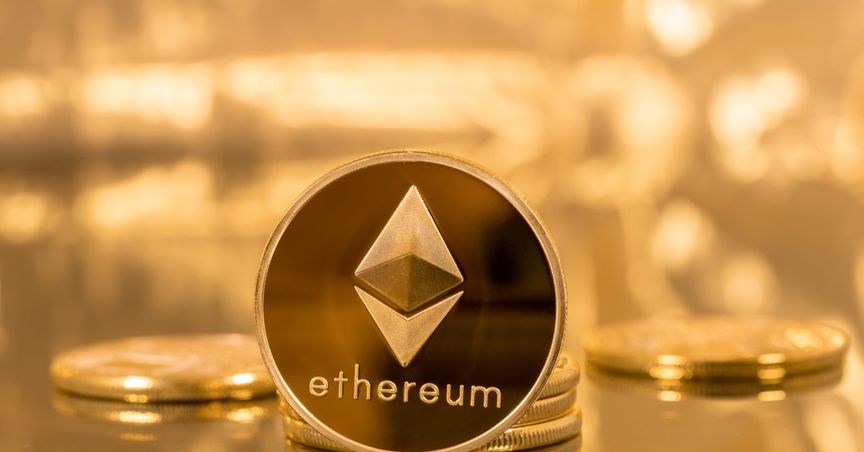




The world’s second largest cryptocurrency, Ether, is set to see an upgrade as open-source blockchain Ethereum has undergone a major revamp in the form of ‘London Hard Fork’. The upgrade was done on 5 August 2021 and since then the prices of Ether have risen 3.68%.
The update, which took place in London, is considered to be evolutionary for the Ether blockchain, despite the controversies surrounding it.
Even when the cryptocurrencies were witnessing a bear run, Ether, went on to outperform the world’s largest cryptocurrency, Bitcoin. Ether has given a year-to-date return of 280.36% till now, compared with just 40% of Bitcoin.
So, what is the London Hard Fork?
A hard fork basically means a permanent modification made to blockchain, which cannot be changed later.
The “London” hard fork comprises five Ethereum Improvement Proposals (EIPs), the most prominent one being – Ethereum Improvement Protocol 1559 (EIP-1559). These upgrades are named after the cities that have hosted its Devcon international developer’s conferences, hence the name London.
The thing with blockchain networks such as Ethereum is that they have a community. The community agrees or disagrees with an alteration in the network. Often, the aim of this tweak to ensure that the network functions in the smoothest possible way. At times, these hard forks are implemented to protect the network against any kind of potential harm.
What is the use of this upgrade?
The main aim of this upgrade in the protocol is to make the network more predictable, transparent transaction fee structure for the users. Before this upgrade, a blind auction was held for every block to determine the gas price – the fee, or pricing value, which is required to transact or settle contracts on Ethereum. These auctions meant that users ended up doing guess work and paying far higher prices for the transactions – only to confirm their inclusion in the upcoming block of transactions. This also meant something like surge pricing for transaction prices – higher prices during a busy period and subsequently lower prices during leaner times. All this would be plugged with the new upgrade – or that is what the community hopes for.
What does this upgrade mean for Ethereum enthusiasts?
The new protocol aims to determine the transaction fee algorithmically and automatically, depending on the ongoing demand-supply trends. This would mean that the erratic and irrational price hikes are completely avoided – a huge benefit for the community. For the common investor into ether, the long-term impact of this upgrade is humungous: once the cost of Ethereum blockchain drops, the adoption and demand will continue to rise. This would ultimately push the price of the token higher – meaning better returns. Yet another benefit of the upgrade is that it should enable the network to handle many more transactions per second.
