
 AUS
AUS
 NZ
NZ
 UK
UK
 CA
CA
 USA
USA
 IND
IND






Summary
- Siemens Gamesa Renewable Energy bagged a contract from Scottish Power Renewables to supply & install 200+ wind turbines in East Anglia Hub.
- Anglia Hub project aims to produce 3,100 MW electricity with an expected investment of £6.5 billion.
- The global demand for wind energy and other renewable energy is rising on the back of major economies’ initiatives to reduce carbon emission.
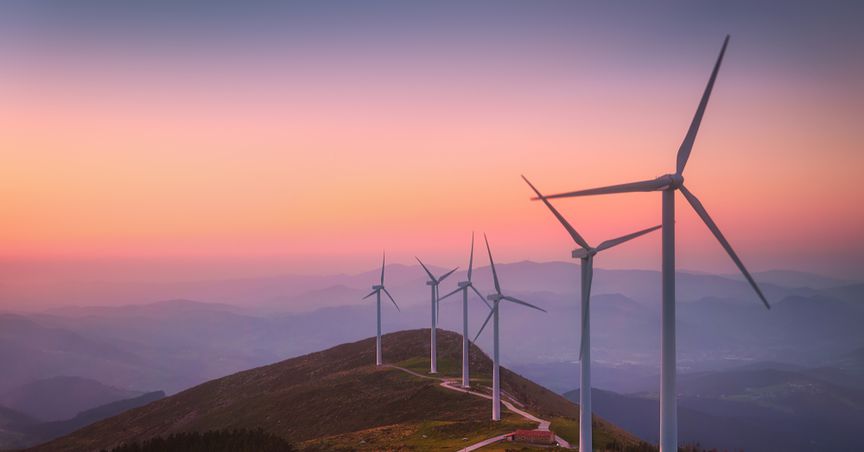
Belfast-headquartered Scottish Power Renewables (SPR) has shortlisted Spain-based Siemens Gamesa Renewable Energy, S.A. (SGRE) to supply and install more than 200 14MW+ turbines for East Anglia Hub.
The total project cost is £6.5 billion (~US$9 billion) and the next generation turbines will be installed in East Anglia-1 North, East Anglia-2, and East Anglia-3 projects located in the southern North Sea.
The East Anglia Project is estimated to deliver 7.5 per cent of the UK’s target of producing 40GW through offshore wind turbines by 2030. The project has a capacity of 3.1GW, enough to power more than 2.7 million homes.
What is East Anglia Hub Project?
East Anglia Hub is a macro-offshore wind project located in the waters of UK and contains three subprojects named East Anglia-1 North, East Anglia-2, and East Anglia-3. The project is expected to produce 3,100 MW electricity with a scheduled start in 2022 and an investment of £6.5 billion (around $9 billion) with a completion tenure of four years.
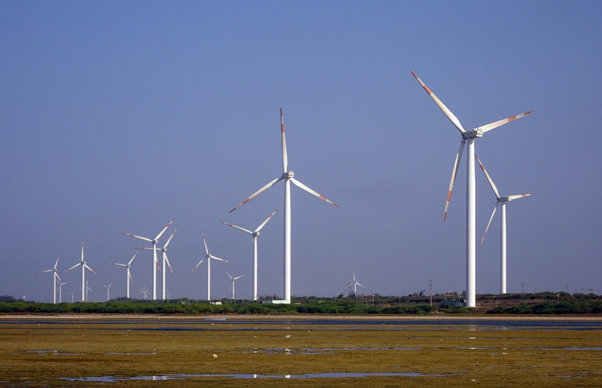
Source: Shutterstock
The project will significantly reduce carbon footprints and support the green revolution to achieve climate neutrality pledges.
Interesting Read: GE’s new wind turbine has the power of 4 Boeing 747 jet engines
Each phase’s development will simultaneously trim the development span and enhance the supply chain's opportunity by reducing the investment.
East Anglia-1 North will have an installed capacity of 800MW, East Anglia-2 will have an installed capacity of 900MW, and East Anglia-3 will have a capacity of 1,400MW with an already approved building permit.
In addition to that, the East Anglia Hub project will create ample job opportunities and pipeline of economic investment.
Why is the Wind Energy Industry Booming?
The wind is a perfect source of environmentally friendly power that doesn’t create any air or water pollution. Also, since the wind is free, operational expenses account for nil, once a turbine is raised. Large scale manufacturing and innovation are making turbines less expensive. Various government subsidies are icing on the cake to spur wind-energy development.
Good Read: Green energy: Government announces plans to support 220,000 British jobs, to start talks with EDF
The global endeavours to combat climate change with the US to join the Paris Agreement to attain sustainable growth by 2050 are accelerating the green revolution. The global share of renewable energy usage has significantly increased from 16 per cent in 2010 to 26 per cent in 2019, accounting for one-third of global power capacity as per the International Renewable Energy Agency (IRENA). Global wind energy capacity rose to 591 GW in 2018 compared to 159 GW in 2009. As per the Department for Business, Energy & Industrial Strategy, a significant improvement of 200 MW was registered by offshore wind energy from Q3 2019 and Q3 2020.
