
 AUS
AUS
 NZ
NZ
 UK
UK
 CA
CA
 USA
USA
 IND
IND






Source: Shutterstock
Summary
- Australia recorded a goods trade surplus, even as import and export of goods fell in January 2021.
- The decline in exports was majorly driven by metalliferous ores, followed by meat and coal.
- The global car manufacturing resulted in shortage of supplies.
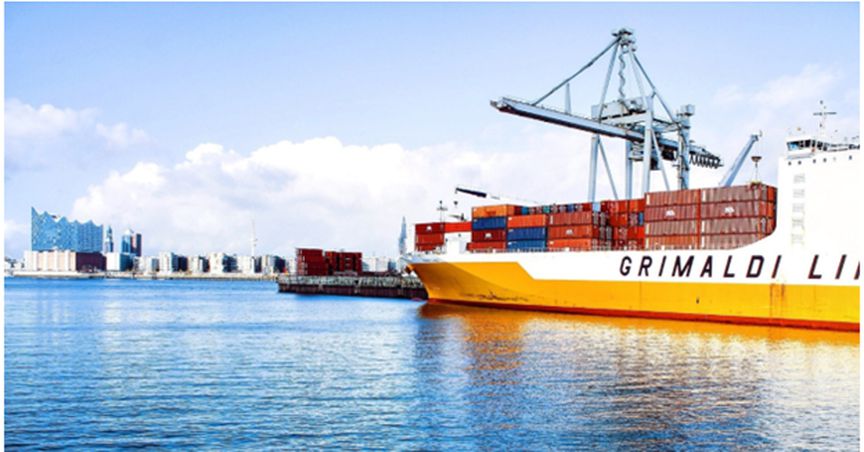
Australia recorded a goods trade surplus, even as import and export of goods fell in January 2021. While the goods trade surplus stood at A$8.8 billion, imports and exports declined by 10 per cent and 9 per cent, respectively, according to the data released on Tuesday by the Australian Bureau of Statistics (ABS).
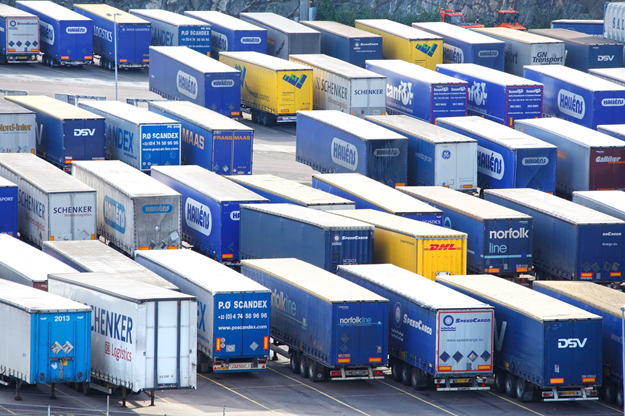
Image Source: © BCritchley | Megapixl.com
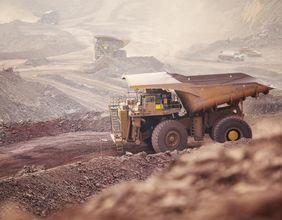
The export of metalliferous ores shrunk by A$1.5 billion, a 10 per cent decline, pulling down total exports to A$3 billion for the beginning of the year. The fall in exports of metalliferous ores was driven by a fall in the quantity of iron ore exported in January, said Andrew Tomadini, Head of International Statistics at the ABS. However, the exports of metalliferous ores still were the second highest on record behind December 2020, Tomadini also said.
READ MORE: How COVID-19 hit private health insurance industry’s performance in 2020
Meat exports down
The decline in exports was also contributed by meat (down 39 per cent) and coal (down 8 per cent). The meat exports generally see a decline in the month of January, following a seasonal pattern, due to annual maintenance closures of many Australian abattoirs.

Image Source: © Bakhtiarzein | Megapixl.com
On the other hand, Australia’s three largest coal export destinations Japan, India, and South Korea registered declines after large increases in December. The decline in coal was driven by hard coking coal, and partially counterbalanced by a surge in thermal coal.
A decline of A$845 million or 23 per cent in road vehicles drove a 10 per cent plunge in imports to A$2.6 billion.
READ MORE: How ASX shares are staging a recovery?
Tomadini also said that a fall in global car manufacturing resulted in shortage of supplies. General industrial machinery also recorded a decline of 16 per cent. The import of miscellaneous manufactured articles was down A$196 million or 13 per cent.
Meanwhile, the Australian economy plunged into its first-ever recession since the early 1990s after coronavirus-induced lockdowns started in March 2020. According to the Australian government’s growth projection, the GDP is expected to grow by 4.5 per cent this year after contracting 3 per cent in 2020.
