
 AUS
AUS
 NZ
NZ
 UK
UK
 CA
CA
 USA
USA
 IND
IND





Summary
- The ‘eat out to help out’ was a success as it substantially exceeded the UK Treasury’s estimates.
- The success of the meal discount scheme has inspired several businesses in the sector to come up with innovative business ideas to grow their sales.
- Pret A Manger plans to launch a subscription service for beverage drinks to aid its recovery from the crisis that significantly hurt the sales.
- The Treasury informed that by 31 August 2020, there were claims for more than 100 million meals, worth £522 million, from thousands of eatery businesses that signed up for the scheme.
The chancellor, Rishi Sunak’s ‘eat out to help out’ restaurant meal discount scheme turned out to be a hit as it substantially exceeded the UK Treasury’s estimates. In order to help grow their sales and contribute in the recovery process from the coronavirus-led crisis, restaurant businesses are planning to incorporate new and innovative ideas or business models.
The success of the meal discount scheme has been such that it continued to increase the demand at the restaurants even after it ended on 31 August, said the Treasury citing tentative proof. The online bookings on 1 September 2020 were 2 per cent higher than the corresponding date in 2019. And, many restaurants said they would continue with the discount and other related schemes to keep attracting the customers.
Pret A Manger launches subscription service for drinks
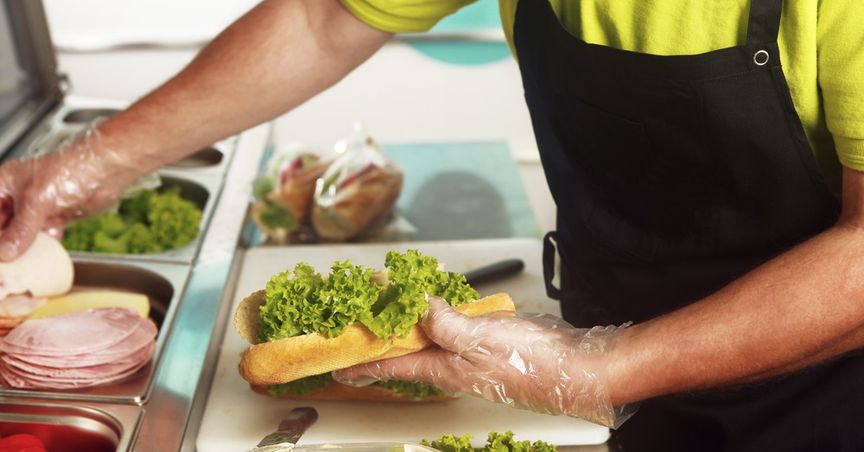
Pret A Manger, a leading sandwich and coffee chain in the UK, said on 4 September 2020, that it would launch a subscription service for drinks to aid its recovery from the crisis that significantly hurt the sales. With a return in its weekly sales to the levels it were a decade back, the company plans to chart out an innovative route to success and face the hardships brought in by the coronavirus pandemic.
From 8 September 2020 onwards, Pret would provide its customers with a subscription service under which the customers could have a drink from Barista up to five times in a single day for £20 pounds per month. The drinks from Barista would comprise of beverages like tea, coffee, smoothies and frappes, and hot chocolates.
Though the scheme from Pret is designed to generate guaranteed income; there could be a substantial risk of losing out if customers tend to utilise their full allowance. Informing that similar subscription-based plans run in the United States (US), it would be a pioneering service in the UK. All the customers who would choose to sign up for ‘YourPret Barista’ service would additionally get a month of free drinks starting from 8 September. The company said that it is planning to launch such a scheme after noticing the excitement of its customers on various social media platforms to enjoy their favourite drinks from Pret.
In addition to the subscription service, Pret has come up with some latest offerings that have been designed to reach the customers through different ways. The company’s ‘Heat Me at Home’ range of meals, pioneering varieties of ground coffee, and espresso beans are to be sold online at Amazon. Pret would also have a new and exciting dinner menu that would be made available for delivery.
In August 2020, the British sandwich and coffee chain that is owned by investment group JAB Holdings axed around 2,800 jobs or almost one-third of its workforce. Additionally, Pret a Manger registered a significant fall of 60 per cent in sales year-on-year (YoY), across its outlets in the UK. The chain has a total of 367 outlets in the UK and most of them are stationed at high streets, transport hubs, and near office premises. In the ongoing fight against the coronavirus pandemic, all these locations largely wear a deserted look, amid the fear of catching infections and restrictions due to social distancing norms.
Also read: Work from Home Leading To Ravaging Sales of Pret a Manger and Wahaca
Also read: The "Eat Out to Help Out" May Not Get an Extension, Hospitality to Rely on Early Vaccine Development
Also read: Britain’s Hospitality Industry May Not Benefit From The VAT Rate Cut
Success chart of the ‘eat out to help out’ scheme
The popularity of the scheme that lasted for the complete month of August 2020 can be gauged from the fact that Britishers ate 100 million meals at a provisional taxpayer cost of £522 million. The chancellor appreciated the Britishers for their vital support in saving jobs in the hospitality industry.
The ‘eat out to help out’ scheme that allowed people to buy 50 per cent discounted meals and non-alcoholic drinks for up to £10 per individual for three days in a week, including Monday, Tuesday, and Wednesday, came to an end on 31 August 2020. The scheme progressed to become additionally pervasive as the month approached its last days. In the last week for the scheme, there was a significant jump in the number of meals that were claimed by the restaurants as it scaled up from 65 million to reach above the 100 million mark.
The chancellor had launched the meal discount scheme with a hope to boost the recovery of the hospitality sector. The sector has a workforce of around 1.8 million and was recorded to have severely suffered the crisis brought in by the coronavirus-induced lockdown and public health advisory on social distancing norms. Observing that the scheme has been a success, Rishi Sunak, reiterated that the government’s mission was to save jobs. In order to achieve the goals, the government needed to be brave and creative, besides taking an unprecedented approach. Sunak thanked everyone who made the scheme successful and assisted in the economic recovery process, including the business owners, employees at the restaurants, and the public.
Also read: Quick Glance on Two Restaurant Stocks – JD Wetherspoon PLC & Mitchells & Butlers PLC
Also read: Demand Grows for Extension of Eat Out to Help Out - RTN, WTB, MAB and JDW Stocks Make Strong Gains
As per the estimates presented by Open Table, the online booking provider, on 31 August 2020, which coincided with the bank holiday in England and Wales, reservations at the eateries were 216 per cent up on the same date in 2019. The data from Open Table stated that the restaurant bookings rose by an average of 53 per cent on the first three days of the week throughout the month of August as compared to similar days in 2019. In July 2020, when the government’s scheme was not functioning, bookings on an average at the restaurants were reported to be around 54 per cent lesser on Monday, Tuesday, and Wednesday as compared to July 2019.
The Treasury informed that by 31 August there were claims for more than 100 million meals from approximately 84,700 eatery businesses who signed up for the scheme. The total number of claims made by the restaurant businesses was 130,000, having a worth of £522 million. There is a high certainty that the final numbers would increase further as restaurants could claim reimbursements for their discounted meal under the ‘eat out to help out’ scheme until the end of September 2020, added the Treasury. A breakup of the data for the different countries presented that England claimed for 51 million meals up to 27 August 2020. For the same date, 6 million meals were claimed in Scotland and more than 2 million each in Wales and Northern Ireland.
UKHospitality, the leading hospitality trade association that represents the interests of the UK's hospitality sector mentioned that the government’s meal discount scheme was a huge success. The members of the trade body registered strong bookings throughout the month of August. The scheme was useful at a time when the sector required a much-needed boost. In addition, it lifted the consumer confidence, which would be instrumental for the sector as they plan to reopen and contribute towards economic recovery. The increase in trading due to the scheme would help several establishments to save jobs across the country.
Conclusion
The ‘eat out to help out’ scheme was launched as one of the government's various economic recovery measures to support the reopening of businesses after easing the lockdown restrictions. The scheme aimed to help protect jobs in the hospitality sector, one of the hard-hit sectors due to the coronavirus-led crisis. With the discount incentive, the government encouraged people to eat out, thereby increasing their confidence to venture out in a Covid-19 safe environment. The tremendous success of the scheme has showed that any such creative measure is likely to bring desired results in crisis times. The scheme has given a direction to the businesses that during the pandemic it is important to come up with innovative ideas and strategies to increase customer demand and grow sales. It remains to be seen if the sector at large would take a clue and act accordingly to grow their business and if the government would also come out with more such schemes for accelerating economic recovery.
