
 AUS
AUS
 NZ
NZ
 UK
UK
 CA
CA
 USA
USA
 IND
IND







Highlights
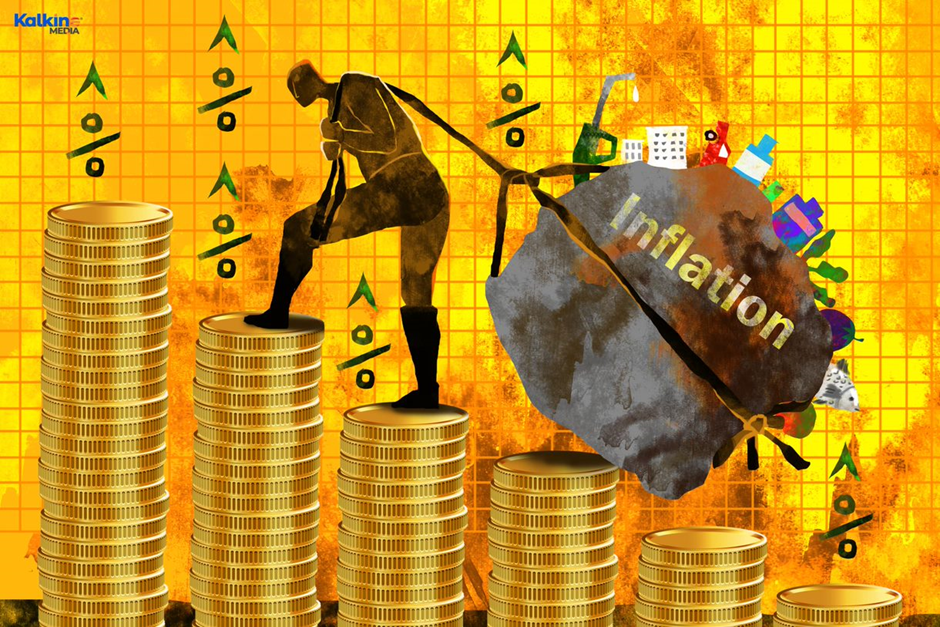
- The UK inflation level has reached a 30-year high of 6.2% in the 12 months to February 2022.
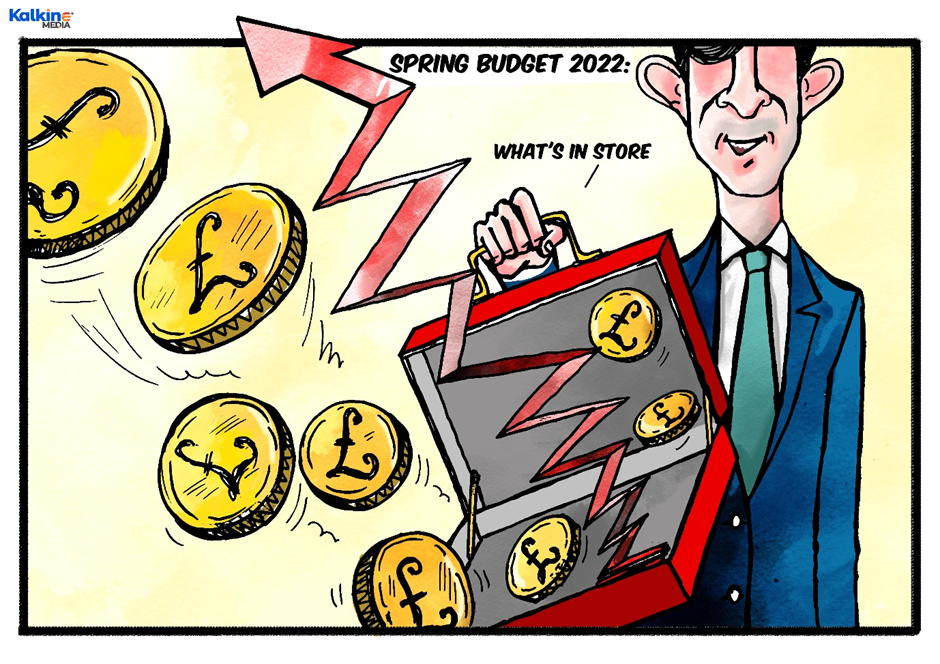
- Chancellor Rishi Sunak presented his Spring Statement amid the cost-of-living crisis escalating in the UK.
On 23 March, Chancellor Rishi Sunak presented his Spring Statement amid the cost-of-living crisis escalating in the UK. The statement was delivered with the intent to provide the maximum possible support and assistance to households and businesses across the UK. Separately, the latest consumer price inflation data for February was also released by the ONS on the same day. According to the data, the UK inflation level has reached a 30-year high of 6.2% in the 12 months to February 2022. For January, this figure stood at 5.5%, which represents a significant rise in inflation.
2022 Kalkine Media®
Key takeaways from the Spring Statement
A combination of rising prices and taxes has heavily increased the burden on UK households, especially the poor ones. With the Russian invasion of Ukraine, energy bills have been further rising amid supply chain constraints. As inflation is expected to cross the 7% mark soon, Sunak has announced some measures to tackle the inflationary pressure in his spring statement.
Until March 2023, the fuel duty would be reduced by 5p per litre, which according to Sunak is the largest reduction ever in the fuel duty rates. This move would help in lowering the spiralling prices of petrol that Brits have been paying lately.
2022 Kalkine Media®
Despite the 1.25% April hike in the national insurance (NI) contributions remaining intact, the threshold would go up by £3,000 instead of £300, which would bring it to the level of income tax threshold. Thus, to pay NI or income tax from July, the earning of the person must be at least £12,570 per year now.
This represents a reduction of £6 billion in personal tax for around 30 million Britons, marking the biggest personal tax reduction over the decade as employees would be able to save more than £330 a year due to the tax cut. Sunak also announced that by the end of 2024, about 30 million Britons would benefit from the 1% reduction in the basic income tax rate, which would fall from 20% to 19%. However, Sunak has still received criticisms for not scraping the NI hike altogether.
2022 Kalkine Media®
No VAT would have to be paid by the households on energy-saving materials for the coming five years. Thus, solar panels, insulation, and heat pumps would not have any VAT attached.
Additionally, the most economically vulnerable section of the society would get double the existing support from local councils, with the doubling of the Household Support Fund from April to £1 billion.
RELATED READ: BATS, BP, Segro: Are these stocks good bets amid rising inflation?
The Employment Allowance will reach £5,000, while business rates for hospitality, retail, and leisure sectors will be discounted by 50%, up to £110,000. This move would support thousands of small businesses in the UK. For the autumn budget, the tax rate on business investments would be cut down too, as announced by the Government.
RELATED READ: Gresham House, Gore Street: Should you invest in battery storage funds now?
Bottomline
Energy bills, fuel costs, and food prices have been soaring lately along with tax hikes, and thus the actions taken by the Boris Johnson government to counter the rising inflation would play a key role in supporting the UK households and businesses while they tackle the cost-of-living crisis. It’s difficult to exactly predict what lies ahead for the UK economy, but these measures are expected to ease the pressure that Brits are facing now.
