
 AUS
AUS
 NZ
NZ
 UK
UK
 CA
CA
 USA
USA
 IND
IND







Summary
- Nearly 34 per cent of the shoppers were turned down for paying in cash during the first lockdown.
- Payment by cash is the most preferred way for the elderly and the vulnerable people and discouraging cash network could abandon millions of people.
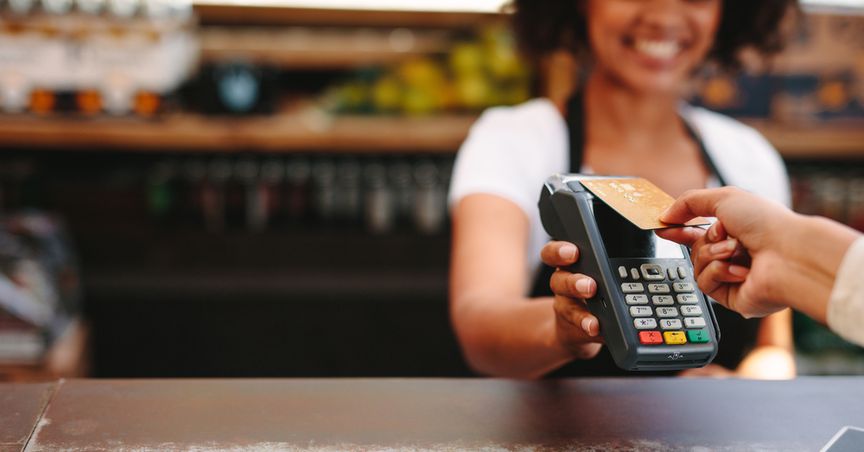
As the pandemic washed up the shores of the UK, more than 30 per cent of the shoppers were discouraged from paying cash and were pushed for adopting a digital mode of payments. However, a significant chunk of the population still relies immensely on the endangered cash network.
During the peak of the pandemic crisis in March 2020, the World Health Organisation issued a statement regarding the novel coronavirus that it might spread through currency notes, or plastic money such as credit cards. In order to curb the spread of the deadly virus, consumers were pushed to use digital payment systems such as e-wallets and Internet banking.
The UK has been recording daily highs in terms of Covid-19 deaths due to newly found strain of coronavirus. British Prime Minister Boris Johnson has already announced the third lockdown to stop the virus transmission.
Also read: British firms call upon the government to extend financial support
In the middle of these turbulent times, contactless payments supported the nation in riding the tide and recovering out of the mess. Experts believe that most transmission is through common surfaces as the virus can survive there for days. Exchange of cash by using your hands, where cash acts as a common surface could be risky as it might become a potential carrier.
However, there are other things which are far riskier than cash. Shopping carts, self-operating kiosks for checkout or products in supermarkets, all these can act as potential carriers for the coronavirus.
UK based organisation, Which? carried out a survey, which stated that nearly 34 per cent of the shoppers were turned away for paying in cash for the essentials or groceries they bought during the lockdowns.
The shift towards digital payments along with businesses resorting to discourage cash payments has put the cash network in an existential crisis. Nearly, 10 million people across the UK including elderly and vulnerable consumers could struggle without cash as they immensely rely on it, the survey said.
An economy made up of transactions, and cashless payments are now growing in size. However, the falling number of businesses accepting cash is a cause of concern for the vulnerable and the elderly. Cash payment is the most preferred way for these people as they try to avoid the complexities of digital cash network.
