
 AUS
AUS
 NZ
NZ
 UK
UK
 CA
CA
 USA
USA
 IND
IND





Highlights
- The OECD released its report on Thursday
- Says the New Zealand government needs to do more to curb inflation
- The OECD paints a gloomy picture of inflation globally
An Organisation for Economic Cooperation and Development (OECD) report released on Wednesday says the New Zealand government needs to do more to curb inflation. The cost-of-living crisis can get out of control and the government needs to have a targeted approach to tackle it.
The OECD report projected that global growth would decelerate sharply over the next two years due to the Russia-Ukraine war and ongoing COVID-19 effects. It painted a gloomy picture of inflation globally, revealing high prices will be eroding household incomes and spending, hitting vulnerable households particularly hard.
Related Read: Kiwis gear up for more mortgage rates as RBNZ raises OCR
Also Read: Inflation higher in NZ than Australia: Check out responses of central banks
Countries worldwide are being hit by higher commodity prices, which are adding to inflationary pressures and curbing real incomes and spending. This will dampen the recovery, OECD said.
The main reason for this scenario is Russia’s Ukraine invasion which is leading to lower growth and fewer job opportunities worldwide. The OECD said protecting low-income households from rising costs should be a priority.
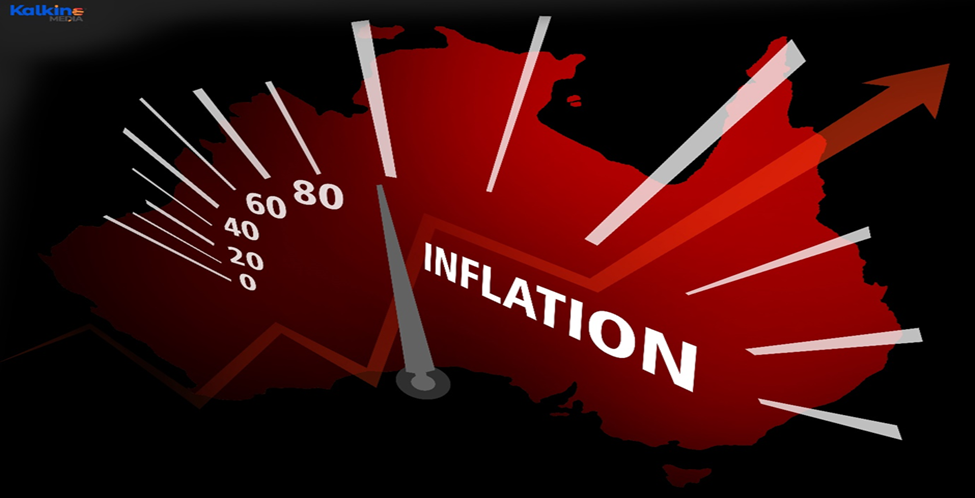
Image Source: © 2021 Kalkine Media®
Measures in New Zealand
The report specifically analysed the New Zealand situation and take note of the Government’s Budget 2022 announcement to extend cuts to the fuel duty tax, road user charges and public transport fares, as well as the NZ$350 cost of living payment.
Also Read: Does Budget 2022 addresses cost-of-living crisis in NZ?
With all this, other measures should also be more focused. The OECD suggested that NZ should defer some of its infrastructure investment. Another step by the NZ government is for those who make NZ$70,000 or less and aren’t eligible for the Winter Energy Payment. These people as stated in the Budget will receive NZ$350 as a cost-of-living payment from August at a rate of about NZ$27 per week for three months.
Situation in NZ
The OECD report said that NZ would see a gross domestic product (GDP) growth of 3% in 2022, and a drop to 2% in 2023, with inflation weighing on private consumption.
Even though the Inflation will decline in 2023, it will still be high as compared to accepted levels as companies will pass on global commodity price inflation and workers will demand more wages.
The impact of the Russia-Ukraine war will remain indirect with high fuel costs and high commodity prices. A further escalation in the war in Ukraine and sanctions against Russia could bring about higher and more persistent inflation and weaker external demand. Lockdowns in China will also impact the prices as China is NZ’s largest export market.
OECD supports tightening of monetary policy
The OECD said that NZ's monetary policy stance was on track to get inflation to target levels. It said that NZ’s response with a faster increase in the OCR and the start of quantitative tightening are adequate and signal a strong commitment to bringing inflation under control.
Also Read: Budget 2022: FM Robertson stresses health, low-emissions economy as priorities
But the Government policy shouldn't put the burden for stabilising the situation simply on the monetary policy, the report said.
