
 AUS
AUS
 NZ
NZ
 UK
UK
 CA
CA
 USA
USA
 IND
IND






Highlights
- The UK’s supply chain crisis is causing shortage of products in supermarkets and rising inflation with warnings of shortages of everything for the Yuletide toast.
- Britons have started shopping and preparations for Christmas earlier than usual.
- Between October 2020 and 2021, the overall prices of goods and services across the economy rose 6.2%.
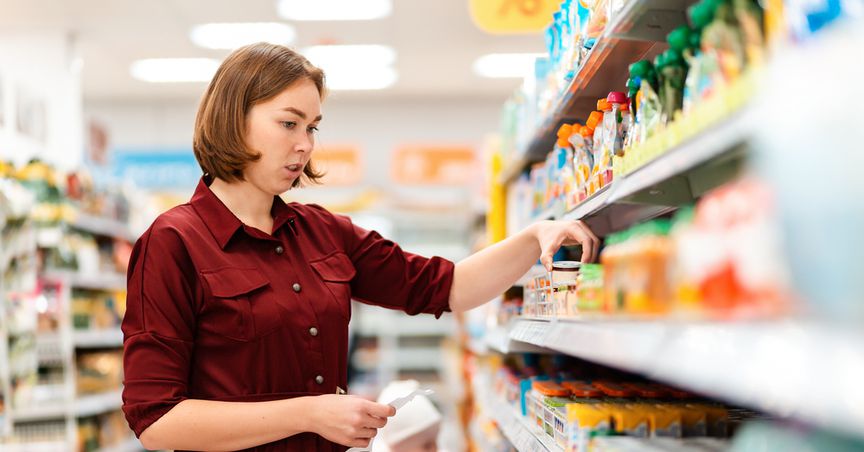
The pandemic had badly affected the last year’s Christmas celebration and it is predicted that this year it won’t be any different. The supply chain crisis in the UK is causing shortage of products in supermarkets and rising prices of goods and services with warnings of shortages of all essential products is increasing fear among shoppers. Thanksgiving and Christmas feast will cost more this year, as per latest analysis and data.
According to Jayson Lusk, Head of the Agricultural Economics Department at Purdue University on EconoFact, the increase in the prices of meat has affected the prices of all essential food items for Christmas.
Also due to climate change in Oregon, from where most of the Christmas trees are brought to the UK, the supply is disrupted as the crops got destroyed and there is a serious shortage of artificial trees due to the supply chain crisis.
The shortage in supply and rise in food prices are due to various factors. Rising agriculture product prices, supply chain crisis, sudden increase in consumer demand and wage hikes in the food sector are all linked to the food price hike.
Kantar recent data revealed annual food prices inflation of 2.1% in October as Britons have started shopping and preparations for Christmas earlier than usual, due to fear of shortage and increase in prices. Between October 2020 and 2021, the overall prices of goods and services across the economy rose 6.2%, with groceries prices up by 5.4% over the last year. The Office of National Statistics (ONS) revealed that the supply of just half of the products listed had abundant supply, and 9% of items had low supply or were sold out, including Milk, pasta, frozen turkeys, pork, and sparkling water.
Here are some factors that may affect your festive feats.
- Poultry and pig Industry
The poultry industry is at risk as producers are raising one million less birds due to shortage of workers in processing plants. As per sector specialists, shifting to goose is not possible at present as the UK’s last two hatcheries were shutdown down with an outburst of Avian flu. The prices of the extra-large frozen turkey rose to £21.33, which is up by 83p (4.1%). Two years back before the pandemic, turkey prices where 13% down then its current prices.
The main reason behind the price hike is that farmers have faced rising packaging, feed, and wage bills, as a result the sector expects the ultimate price to go up by 5% to 10%, depending on from where people shop. The prices of poultry, meat, fish and eggs saw the rise by 12% as compared to previous year and the price of beef and pork rose by 20.1% and 14.1%, respectively. However, the government has allowed import of birds in case of shortage.
A recent survey revealed that the item most likely to be out of stocks and to avoid this people are pre-ordering bird or buying frozen ones, which increased the supermarket sale far ahead of normal levels.
Also read: Iron ore prices slump on improved supply, lower demand
The pig Industry has also warned supply shortage of Morsels due to shortage of abattoir workers. This shortage is saddening for farmers who had to slaughter 14,000 animals, has been eased by the decision to allow butchers in on temporary visas.
However, around 60% of the pork and 80% of bacon have been imported to address the situation in case of shortage. The 12-pack cost has increased to £2.87, up by 12p (4.2%).
- The greens
The prices of 1 kg Carrots rose to 46p, up by 3p (7.0%), the prices of 2.5kg White potatoes rose to £1.05, up by 3p (2.9%) and the prices of 200g Brussels sprouts rose to £1.25, up by 13p (11.1%).
The British Grower Associations (BGA) said that the quality and volume of the crop were good and there is enough supply of Brussels sprouts, but the vegetable prices may rise as farmers may face price rise by about 25% as fertilizer costs have gone up by more than double, labour cost has gone up by 15-20%, and packaging cost is up by 25%.
The data shows minor rise in price and in Christmas month veg prices may fall strongly as supermarkets generally use strategic promotions to pull in shoppers. It is anticipated shortages in some line but, it may be more obvious to farmers than consumers.
Also read: 25 affordable Christmas gifting ideas for everyone on your list
- Drinks and others
There might be shortage of champagne and other popular wines, such as New Zealand sauvignon blanc as the prices of champagne and wines are on the rise due to production and supply chain problems in the region. The prices of 75 cl Veuve Clicquot Yellow label rose by £44, up by £3 (7.3%).
Customers may not get what they want, however extra wine trains are being put down to keep supermarket shelves full.
Increase in costs of food ingredient, transport charges, energy, packaging and shortage of drivers pushing up wages in the transportation industry are some of the major causes of rise in cost of food items.
The prices of 12 pack 185-230g own label Yorkshire pudding rose to £1.04, up by 5p (5.1%), 170-190g bisto onion granules prices rose to £1.32, up by 16p (13.8%) and the Paxo supply and onion stuffing Blend rose to £1.20, up by 11p (10.1%).
Also read: How supply chain crisis is affecting the economic recovery
Fill your kitchen
Due to expected shortage in Christmas feast, Britons have already started shopping and preparations for Christmas earlier than usual. There might be shortage, but supermarkets are promising buyers that there will be plenty of food. Many shoppers are also looking for pre-order food services offered by stores such as Marks & Spencer that offer more sure shot than online orders.
