
 AUS
AUS
 NZ
NZ
 UK
UK
 CA
CA
 USA
USA
 IND
IND






Highlights
- Post Russian invasion and international sanctions on Russian supply, demand for Australian LNG raised immediately.
- The country’s main gas fields are far from Sydney and Melbourne, and other big cities in the southeast. Additionally, LNG produce is mostly tied into contracts with Asian nations. Thus, the country needs to import LNG.
- European countries are fetching floating storage, and regasification units (FSRUs) needed to convert LNG into gas, leaving minimal supply for Australia’s import projects.
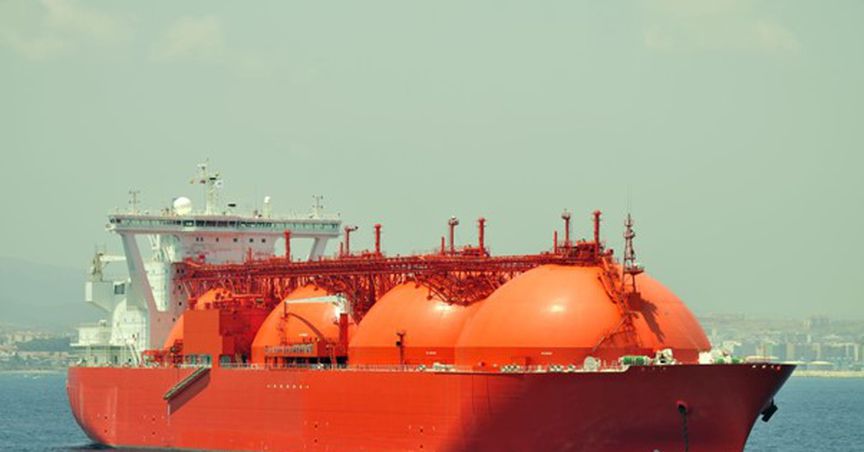
Australia is one of the biggest LNG exporters across the world. In fact, in 2021, the country was crowned as the largest LNG exporter globally. However, since Australia’s LNG produce is mostly tied with Asian nations, other parts of the country like Sydney and Melbourne need to import LNG.
The recent Russia-Ukraine crisis has largely changed the oil and gas dynamics globally. Australia is also standing in a tough spot when it comes to LNG supply and availability.
Russian invasion impact
Post the Russian invasion and the international sanctions on Russian supply, the demand for Australian LNG raised immediately, with buyers diversifying away from Russian supply. The Russian invasion has made the prices of fossil fuels reach a multi-year high with the simultaneous crunch in the supply of the same. People may assume that the current Ukraine crisis may be positive for Australia. However, it’s not black and white. There is a big grey area which needs to be addressed.
GOOD SECTION: AGL Energy dumps plans to demerge coal generation businesses
Source: © Scanrail | Megapixl.com
How does Ukraine crisis impact Australia’s energy plans?
Following the crunch in global LNG supply, Australia faces increased demand for the same from Asian regions. Additionally, countries like Japan are longstanding trade partners with Australia, making Japan one of the largest LNG importers for Australia.
However, that’s not where the case ends entirely. The main issue has now surfaced on the table. The truth is Australia also imports LNG. Why? The country’s main gas fields are far from Sydney and Melbourne, and other big cities. Additionally, the LNG produce is mostly tied into contracts with Asian nations. Thus, the country needs to import LNG.
However, there is an issue with proceeding with the import projects because of the race across European nations. Since European nations are also looking for other ways to combat the supply shortage following the Russian invasion, Australia cannot proceed with the five gas import terminals.
Following this, Australia’s populous southeast cities may face supply shortages for the upcoming two years if import plans do not succeed. European countries are fetching the floating storage, and regasification units (FSRUs) needed to convert LNG into gas, leaving minimal supply for Australia’s import projects.
All in all, the current scenario seems quite problematic for Australia and other European nations. Some experts suggest that the only way to come out of the unstable energy market is to shift to renewable sources. The present circumstances are a perfect example of how fragile the oil and gas supply system are on a global level. Thus, it is high time countries plan for their transition to green energy at scale.
