
 AUS
AUS
 NZ
NZ
 UK
UK
 CA
CA
 USA
USA
 IND
IND


.jpg)





Summary
- The uncertain timeline attached to the pandemic has generated the need for diverse policies that must be evolved at every stage.
- Traditional and unconventional policies have been adopted by countries worldwide to combat the recession.
- The 2008 crisis enabled central banks realising the importance of a robust financial sector that has helped shape the recovery in the current recession.
Central banks across the globe have constantly been innovating and finding new solutions to combat the economic strain caused by pandemic. Amidst the uncertainty attached to the coronavirus and the lack of complete knowledge about the same, policy committees have frequently been encountering new challenges.
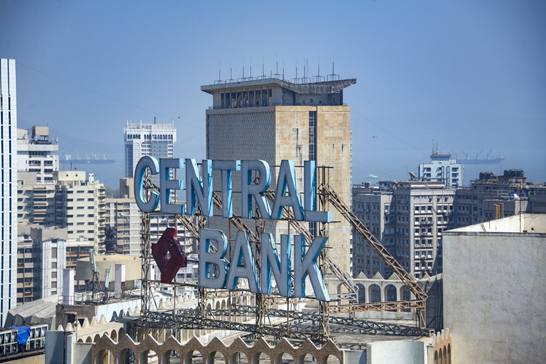
Most central banks worldwide have been adopting the interest rate path to boost spending. Many of them embraced near-zero interest rate levels to bolster investment and injected liquidity into the economy to encourage spending. This is the usual approach that central banks adopt at times of the crisis.
However, as people’s expectations about the future adjust with time, there is always uncertainty surrounding the effectiveness of these policies. Therefore, it is imperative for central banks to adapt to the changing economic scenario and implement policies that can deliver a positive economic shock up to some extent. Moreover, policies aligned with the rational expectations of consumers can work in favour of the economy.
Policy Changes
Globally, central banks have adopted both traditional and unconventional policy changes during the pandemic crisis. A common practice was to reduce reserve requirements and encourage banks to lend. Small and micro enterprises were given more capital to work with through the loans charging lower interest rates.
It is worth noting that NPAs have also increased in COVID-19 era that may reduce the positive effects of liquidity injection into the economy.

The United States Federal Reserve set an example in adopting a new policy framework. The Fed announced interest rate cuts, accompanied by a reduction in the reserve requirements for banks across the country.
The central bank also engaged in open market operations, spending USD700 billion on Treasury and agency mortgage-backed securities. The Fed also participated in currency swap agreements to avail lower rates and extended maturities available with foreign central banks.
Following in Fed’s footsteps, several central banks adopted similar strategies afterwards.
2008 Financial Crisis & Current Economic Scenario
The economic turmoil caused by the pandemic has been termed as the worst economic scenario since the Great Depression. However, changes adopted by central banks since the 2008 financial crisis have helped the banking sector stay strong during uncertain times.
In comparison to the reforms undertaken post the 2008 crisis, COVID-19 policy reforms have been more aggressive and implemented more quickly across nations. Notably, the policy changes adopted by the Fed against COVID-19 have been costing the central bank trillions of dollars.

The major difference between the pandemic recession and the 2008 crisis is the fact that there was a constant contraction in the money and credit during the Global Financial Crisis. There was a financial sector imbalance at the source of that crisis.
However, the pandemic induced recession occurred due to a government-imposed lockdown that was not the result of any major economic imbalances. Consequently, most measures were centered around an expansion in money and credit.
The major problem in front of the central banks during the current recession is the uncertainty surrounding the future course of the pandemic. Without a clear timeline in hand, central banks need to innovate at every step.
