
 AUS
AUS
 NZ
NZ
 UK
UK
 CA
CA
 USA
USA
 IND
IND






Summary
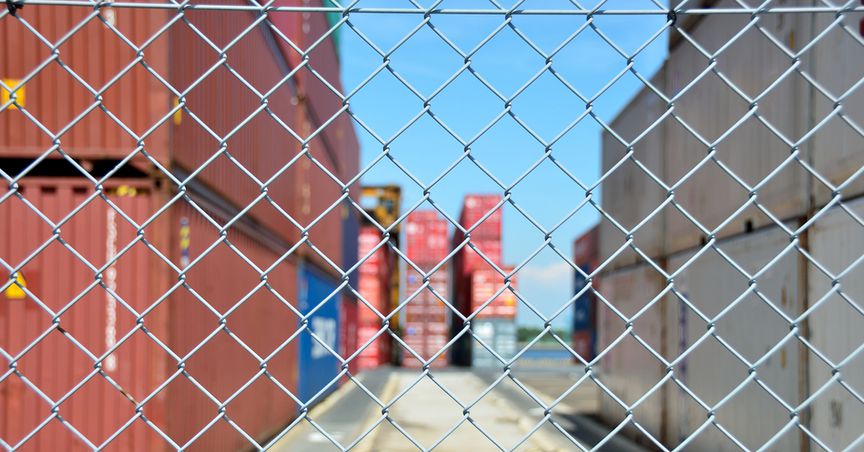
- China has imposed import restrictions on Australia targeting the strategic sectors of iron ore and LNG.
- Tariffs have been imposed on imports of beef, barley, wine, thermal coal, copper cotton, seafood, sugar, and timber.
- Australia has not retaliated to these moves by China and is looking for potential markets in the Asia Pacific region for its exports.
China is one of the leading iron ore importers for Australia. As trade tensions heighten between the two, Australia could potentially be looking at a huge slump in export revenues if things do not go right. As if the pandemic-induced fall in demand was not enough, the imposed tariffs are another roadblock ahead of Australia’s economic recovery.
Price is Less albeit Opportunities are Immense; Invest Wise with Kalkine LITE Just at $19.99
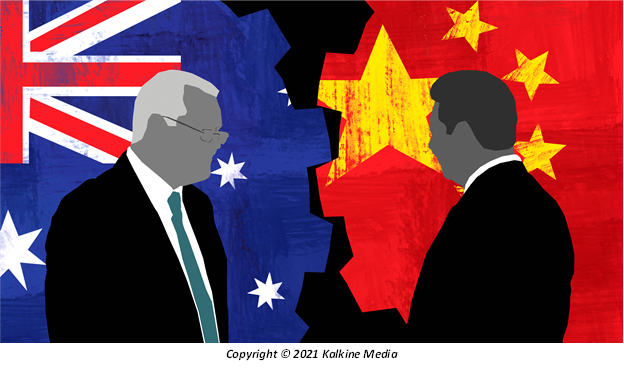
Australia has not reciprocated to the move by imposing duties on Chinese imports. Instead, the nation may be looking at options to overcome the adversity of the action taken by China. However, that alone might not solve the long-run problem for Australia.
DO NOT MISS: The Economic Corner || Will Australia-China Trade Improve Post PM's Comments?
Strained Diplomatic Past
The tensions between the two leading economies started to arise when Australia supported a call for an international enquiry into how China handled the pandemic when it began affecting global countries. Australia had also put legislation to ban foreign interference in the country in response to reports of China’s intrusion in political matters in 2016.
However, China did not heed these allegations, and there were further reports of Chinese interference in the country. In response, Australia, and the US, decided to take mutual action to confront China about these claims. China’s reaction came in the form of suppressed barley imports from Australia, stating customs violations as the reason.
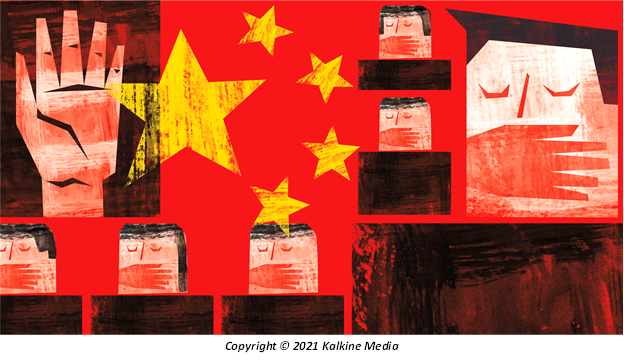
This was a textbook response for China, as the country has a history of suing retaliation measures that handicap the economy of those nations that have called them out for their practices. The country’s government has also received flak for its treatment of minorities and for making territorial claims on unfair grounds.
Current Restrictions
The bans imposed by China encompass imports of beef, barley, wine, thermal coal, copper cotton, seafood, sugar. and timber. To add to these measures, China also discouraged its students from travelling to Australia, stating racism concerns.
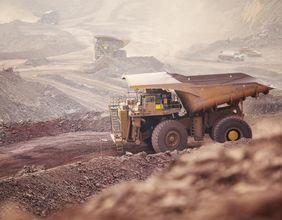
The targeted sectors include iron ore and LNG, which are strategic sectors for Australia. However, China’s move is not expected to impact the Australian economy as severely as expected by the policymakers. Australia would be able to find substitutes to replace China’s iron ore demand. China has also made efforts to source its requirements from elsewhere.
Last month China announced changes to the tariffs it had previously imposed. The tariffs were imposed on raw materials used in its steel industry with the intention of encouraging pig iron imports and scrap steel. There were also efforts to try to reduce domestic steel production and encourage iron ore production.
INTERESTING READ: China tightens the noose on Alibaba, tells it to divest media assets
Potential Impact on China & Australia
China fulfils two-thirds of its steel industry’s requirements through iron ore imports from Australia. Thus, looking for a new source would entail finding mines with large unfulfilled iron ore supply. A potential source that China can turn to is the giant Simandou resource in Guinea. However, those imports would be costlier for China. In addition to the cost barrier, they would not be able to serve the Chinese demand fully, instead, they would only cover 10% of the demand.
On the other hand, experts estimate that the Australian economy would most likely not see a drastic change. Large scale mining organisations like Rio Tinto, BHP and Fortescue would be cheaper to service for the Chinese economy because of the geographical advantage offered by Australia. Australian imports would help China save up on transportation costs as other potential miners are much farther away from China.
Amid these rising tensions, Australia has sensed the need to find alternative markets for its iron ore and LNG exports. For instance, India is just as big of a market as China. Thus, the demand for Australia’s LNG exports could be met by the Asia Pacific region, as has been the case with coal.
