
 AUS
AUS
 NZ
NZ
 UK
UK
 CA
CA
 USA
USA
 IND
IND






Highlights
- The top miners of the world are committed to the goal of limiting direct and indirect emissions by 2050 or earlier.
- Miners are under pressure from environmentalists and shareholders related to environmental emissions.
- Direct and indirect emissions can be reduced by integrating the operations with renewable energy sources.
The International Council on Mining and Metals (ICMM) said on Tuesday that the top miners of the world are committed to the goal of limiting direct and indirect emissions by 2050 or earlier.
Many leading miners across the globe including Rio Tinto, BHP, Anglo American, FMG, etc are under pressure from the environmentalists and shareholders related to environmental emissions and they have already made commitments to attain neutrality by 2050 in direct and indirect emissions.
Net-zero commitments
ICMM members collectively made commitments to net-zero scope one and scope two emissions by 2050. The collective commitment made by the miners represents a joint ambition from the leaders that holds nearly 33% of the global metals and mining industry.
The significant announcement comes ahead of the UN climate gathering planned in the next month, aiming for more ambitious climate actions from more than 200 countries that inked the iconic Paris Agreement to reduce global warming.
The 28 members of ICMM that hold nearly 650 operational sites in more than 50 countries will report their annual progress report for the decarbonisation.
Limiting direct & indirect emissions
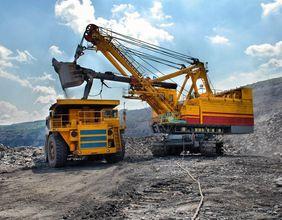
Direct and indirect emissions can be reduced by integrating the operations with renewable energy sources and reducing the utilisation of fossil fuel-driven equipment and mine trucks, which are responsible for maximum emissions in mines.
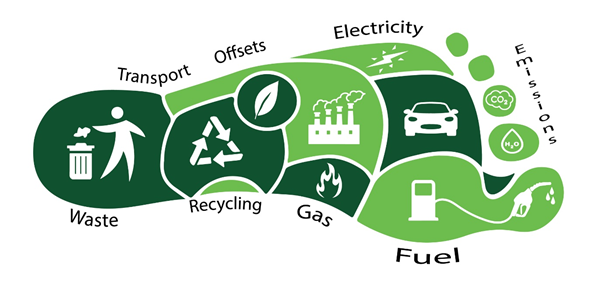
Renewable Energy | Source: © Allexxe | Megapixl.com
The technology to produce carbon emission-free production of steel is not yet been proven. However, the council aims to put a cap on emissions of iron ore and steel processing plants by 2023 or soon.
Bottom Line
The top miners across the globe made commitments to reduce scope one scope two emissions related to their operations.
