
 AUS
AUS
 NZ
NZ
 UK
UK
 CA
CA
 USA
USA
 IND
IND






Highlights
- COVID-19 cases are surging in Europe and the US, triggering another round of restrictions and lockdowns.
- Crude oil price is highly volatile and depends on various factors ranging from demand and supply to geopolitical issues.
- The US shale oil production is on a boom and may bring more crude oil into the market in the coming months.
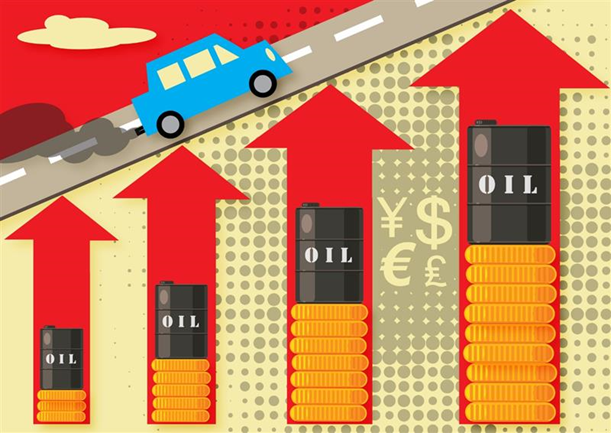
The benchmark West Texas Intermediate (WTI) crude oil September contract traded at US$68.52/bbl on 30 August 2021. The WTI price crossed the US$75/bbl mark in July before sliding down to the current level.
The current crude oil price is being influenced by demand and supply, which in turn is getting impacted by various factors ranging from surging COVID-19 cases to climate change.
Source: © Emeraldgreen | Megapixl.com
Related read: BP expands dividend; how are O&G companies performing amid crude oil’s bull run
Let’s discuss few of the key factors that could impact crude oil price in the upcoming months.
Resurgence of COVID-19 cases globally
After the first and the second wave, the COVID-19 pandemic is still haunting the population all over the world. The new variants are creating panic, leading to restrictions and curfew-like situations at many places. Though robust vaccination programs are being implemented, there is ambiguity whether one set of vaccines could prevent all variants of the deadly virus.
The best options in the current situation seem to be restricting movement, making face masks compulsory, and following social distancing.
Most of the economic activities are now gearing up, pushing the demand for key commodities. However, restrictions in movements and social distancing protocols are affecting the normal movement of people. As a result, there are growing concerns about the outlook for fuel demand. Transportation is the largest consumer of this commodity.
If COVID-19 cases continue to increase and more supply from large global producers reaches the market, the crude oil price is expected to go down.
Related read: Four ASX oil stocks that grew over 150% YTD
OPEC+ nations strictly follow production cut
Russia and Saudi Arabia are among the largest oil producers globally, seeking to capture a larger share of the crude oil market.
Meanwhile, war-torn Iraq is trying to sell more oil to generate as much revenue to support its development projects. Also, any Middle Eastern country looking to fund its infrastructure projects could start pumping more oil.
Any likely scenario could imbalance the already fragile demand and supply of oil.
Source: © Gumpapa | Megapixl.com
The OPEC+ members have also decided to gradually lift the production cut limits. The next round of meetings is scheduled for September 2021, wherein decisions around increasing the output are expected.
US shale oil production
The latest report on the US shale oil production has highlighted expected output of up to 8 million barrels per day in September 2021. This will be the highest volume since April 2020.
According to data from the Energy Information Administration (EIA), total crude oil production of the US stood at 11.2 million barrels per day in May and is expected to remain flat through October 2021.
Current increasing WTI crude oil prices are motivating oil companies to undertake more drilling campaigns and increase output to capture further market share. Amid increasing fuel prices in the US, President Joe Biden recently called the OPEC to boost its production to ease the crude oil price.
Related read: Joe Biden urges OPEC+ to increase oil production to curb rising prices
If US companies go on a drilling spree, there might be enough oil production reducing the US dependency on foreign oil, which means less demand for oil in the market causing the prices to drop drastically.
On various occasions, President Biden has mentioned propelling the United States towards cleaner and renewable energy. His stance on hydrofracturing is well known and may restrict the increase in the production level of the country.
Related read: From BHP to Santos: Where do these ASX energy firms stand in green transition?
Bottom Line
Crude oil is a highly volatile commodity, and its prices may fluctuate on the slightest of incident of global significance. Geopolitical issues may come into play as the Afghanistan crisis is growing. But the balance between demand and supply will always remain the key to crude oil prices.
Good read: Why are crude oil prices on fire in 2021?
