
 AUS
AUS
 NZ
NZ
 UK
UK
 CA
CA
 USA
USA
 IND
IND






Highlights:
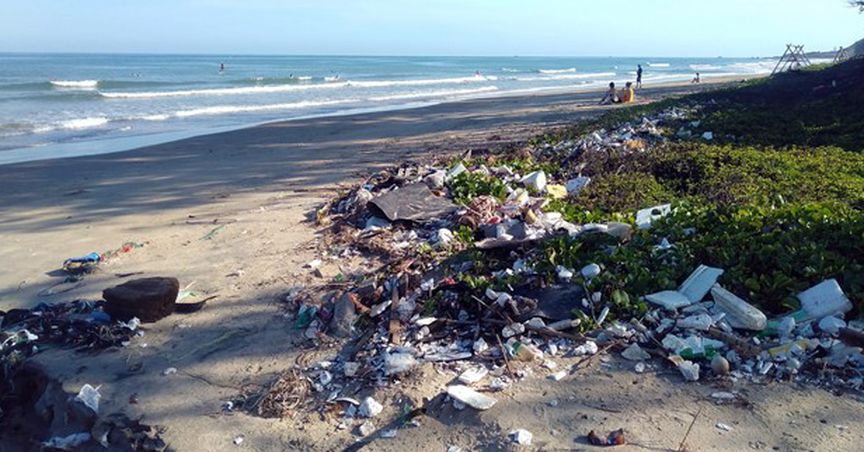
- Marine litter is a form of solid waste that has been thrown or discarded into the environment and it affects freshwater and marine ecosystems.
- The Great Canadian Shoreline Cleanup program focuses on removing trashes from Canada’s shorelines.
- The Government of Canada is focusing on repairing, reusing, recycling, and re-manufacturing materials and products by following the make-use-return model.
Plastic pollution affects the marine environment, coastal tourism, and human health. For Canadians, plastic plays an important role as it is widely used in personal and industrial products, including food packaging, pharmaceuticals, and construction materials.
But the use of plastic is affecting the wildlife and the environment. It has become a global problem that needs urgent solutions. In this article, we will learn how Canada is tackling plastic pollution.
Plastics affect the oceans, lakes, rivers, plants, wildlife, human life and impact our economy. More than three million tonnes of plastic waste are discarded from Canadian homes and businesses and the rest of the plastic waste is generated from the agriculture, electronics, and construction sectors.
What is marine litter?
Marine litter is a form of solid waste that has been thrown or discarded into the environment and it affects freshwater and marine ecosystems. A lot of marine waste is found in the form of plastics which come in all shapes and sizes.
Marine litter can damage habitats and can also affect fisheries and wildlife. Nearly 29,000 tonnes of plastic waste were thrown into the environment of Canada and nearly 10,000 tonnes of plastics dissolved in the Great Lakes annually come from Canada and the United States.
The Great Canadian Shoreline Cleanup program focuses on removing trash, including food wrappers, beverage cans, straw, bottle caps, tiny plastic, or foam from Canada’s shorelines. This program motivates people to act to protect the water for the wildlife and the communities.
Also read: What plans & actions is Canada taking to tackle climate change?
Canada’s actions on zero plastic waste
The different levels of government, including territorial, provincial, and federal, have approved a Canada-wide strategy on Zero Plastic Waste through the Canadian Council of Ministers of the Environment in November 2018. Different levels of government focus on a Canada-wide action plan on Zero Plastic Waste to implement this strategy. The plan will work on preventing, reducing, reusing, recovering, and capturing plastic waste and pollution in Canada.
A circular economy
The Government of Canada is taking an approach to address the plastic waste and pollution issue by developing a circular economy for plastics where the lifecycle of materials and products are extended for as long as possible.
The Government of Canada is focusing on repairing, reusing, recycling, and re-manufacturing materials and products by following the make-use-return model. It is planning to lessen carbon and plastic pollution by 2030 through a circular economy plan for plastics.
Also read: The impact of climate change- warming Winter Olympics?
Ocean Plastics Charter
As part of Canada’s G7 presidency in 2018, the Government of Canada led the Ocean Plastics Charter that aims to stop the flow of plastic and plastic waste into the environment and follow sustainable ways for controlling plastic waste.
For managing, using, and sustainably producing plastic, the charter is bringing businesses, civil society organizations, and governments close to support its commitments, targets, and objectives.
Zero plastic waste by 2030
On October 7, 2020, Jonathan Wilkinson, the Minister of Environment and Climate Change introduced the Canada government’s plan of achieving zero plastic waste by 2030. Through this plan, the government will conserve wildlife, water, human life and create employment. This plan includes a ban on harmful single-use plastic items, including straws, six-pack rings, plastic checkout bags, and others.
Also read: Innergex & TransAlta: 2 CleanTech Stocks as Canada Moves to Ban Single-Use Plastic
Image credit: © 2022 Kalkine Media®
Image description: Canada’s actions on zero plastic waste.
The government of Canada's action for a resource-efficient and lifecycle approach to plastics are the following:
- Lessening unnecessary use of single-use plastics.
- Using green public procurement to reduce waste and to support secondary plastics markets
- Working with industry and different levels of government to recover 100 per cent of all plastics by 2040.
- Preventing plastic leakage into the marine environment from different sectors including industrial, commercial, construction, and automotive sectors.
- Supporting research, development, and technologies that take out plastics and microplastics from sewage sludge.
Bottom line
Plastic has become a part of life as it is used in our daily products such as cosmetic ingredients, textiles and product packaging. But it is drastically impacting the environment and becoming a threat to it.
So, to strengthen our economy and conserve wildlife, oceans, and human health, we all need to reduce plastic waste and pollution. If we want to have a zero plastic waste future, then we need to change our ways of disposing of, using, and producing plastics and need to support all the industries that are reducing plastic waste and focus on reusing and recycling plastic.
