
 AUS
AUS
 NZ
NZ
 UK
UK
 CA
CA
 USA
USA
 IND
IND







Highlights:
- Heat Alert and Response Systems (HARS) helps in reducing heat-related morbidity and mortality by alerting people to heat-health risks.
- A communication plan helps in increasing awareness and providing information about adaptation. It also makes citizens and stakeholders aware of extreme heat events.
- Heat Alert and Response Systems help in protecting people from illness and death caused by extreme heat events.
Extreme heat events are becoming a threat to the health of Canadians. Public health and emergency management officials are looking for ways to reduce heat-related health risks in several Canadian communities.
To prevent, prepare, and respond to heat-health risks, Health Canada recommended Heat Alert and Response Systems (HARS). In this article we will learn what is HARS and how it works in Canada?
Health Canada is helping the communities of Canada by preparing them for extreme heat. Some Canadian communities are developing Heat Alert and Response systems (HARS) to reduce health risks from extreme heat events. The core elements of the HARS include the following:
Community mobilization and engagement -- It needs a coordinating agency that helps the community by preparing them for the upcoming heat season. It hires stakeholders and develops plans to execute HARS.
Alert protocol - It helps in discovering health-related risks and engages in activating and deactivating communication and community response plans. The alert protocol is used to make the public aware, and alert government officials, and stakeholders to take pre-determined actions against heat-health risks.
Community response plan - It helps vulnerable people.
Communication plan - It helps in increasing awareness and providing information about adaptation.
Evaluation plan - It helps in validating heat-response measures and facilitates improvements of HARS.
Also read: How is Canada affected by climate change?
The impact of heat on Canadians’ health depend on the actions of community health and social service providers, and public health and emergency management officials in terms of reducing heat-health risks from extreme heat events.
Extreme heat risks on Canadian health
The increasing temperature along with radiant solar load and high humidity in the atmosphere can affect the body and over-exposure can cause heat illnesses, including loss of consciousness, exhaustion, heat rash, and cramps.
Also read: 7 Canadian stocks combating climate change
Extreme heat risks on Canadian health
The increasing temperature along with radiant solar load and high humidity in the atmosphere can affect the body’s capacity and over-exposure to such environments can cause moderate heat illnesses, including loss of consciousness, exhaustion, heat rash, and cramps.
Over-exposure to extreme heat can also result in life-threatening heat strokes. The population, including infants and young children, people with chronic illnesses, older adults, certain occupational groups, and socially disadvantaged individuals are more vulnerable to heat-health risks.
How do HARS work?
HARS help in reducing heat-related morbidity and mortality by alerting people to heat-health risks and providing education and other resources to individuals to act before and during an extreme heat event.
The extreme heat-related health risk can be reduced by discovering target population groups and areas through vulnerability assessments, ensuring that the HARS plan will address local needs and priorities, providing response plans that help in reducing heat-health risks, and fulfilling vulnerable people’s needs. Also, it helps with executing long-term preventative actions that help in reducing heat exposure and negative health impacts.
Also read: What is the Canadian Environmental Protection Act, 1999?
How does HARS protect health?
Alert systems that give warnings of upcoming dangers can be used to help needy people. Well-targeted messages and outreach strategies can help increase awareness of heat-health risks.
Heat Alert and Response Systems help in protecting people from illness and death caused by extreme heat events. To protect people during extreme heat events, HARS need government authorities to act at regional and local levels. It also requires private sector participants and community groups to help vulnerable groups.
Also read: Why is energy efficiency important for the environment?
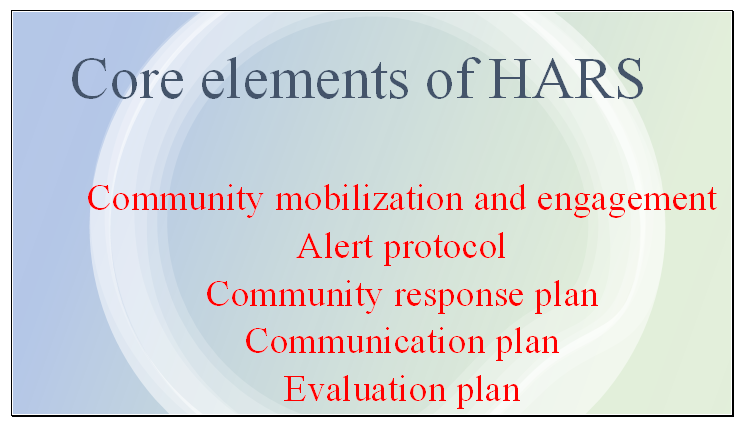
Image credit: © 2022 Kalkine Media®
Bottom line
Extreme heat events associated with high temperatures and high humidity can be dangerous to health. It can cause various heat illnesses, including fainting, heat rash, cramps, edema, and exhaustion.
So, to help Canadians, health authorities are implementing and developing HARS to reduce heat-health risks. Other than the health officials, individuals also must take care of their health in heat events by wearing light-colored clothing, drinking lots of water, keeping homes cool, avoiding exposure to extreme heat, and planning strenuous outdoor activities for cooler days.
