
 AUS
AUS
 NZ
NZ
 UK
UK
 CA
CA
 USA
USA
 IND
IND


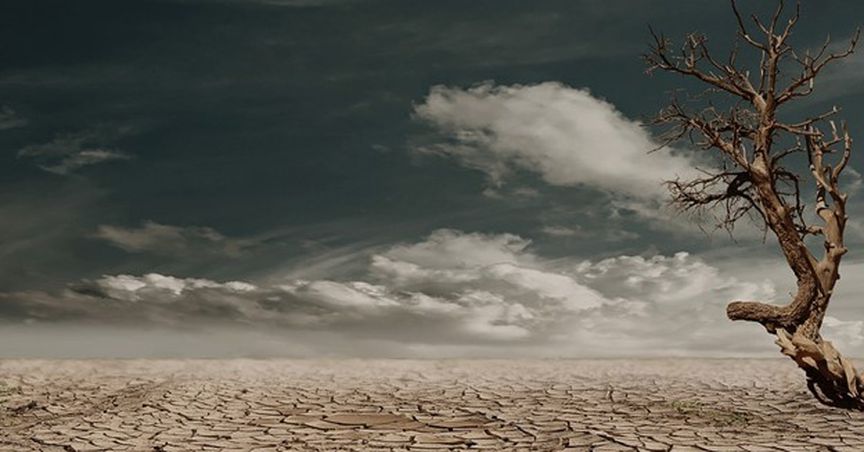




Climate change and extreme weather conditions are an area of concern for the entire Canadian economy. It not just affects the agricultural industry but have wider implications for citizens.
Drought situations in parts of Canada, as reported by the Agriculture and Agri-Food Canada (AAFC), will not only hit farming, but impact every individual as prices for grocery items increase. From hydroelectricity sector to mining, ramifications of droughts will be felt in critical areas.
According to the latest National Agroclimate Risk Report, released by AAFC, dry conditions in the Prairie region will have the adverse impact on farm activities. Droughts will significantly shape up agricultural input costs and productivity.
In southern Saskatchewan and Manitoba, precipitation was ‘well below normal’ in fall, winter and spring seasons that precede the ongoing growing season, says the report. Further, the Environment and Climate Change Canada has forecast low rainfall across the driest regions of Prairies.
Not just southern Saskatchewan and Manitoba, but much of Canada, including Quebec and Ontario, received below average precipitation during last few seasons.
Let’s understand how these drought-like conditions can impact the economy.
Impact of Drought on Economy
Crops need water to grow. But experts worry, the current drought situation can lead to enormous dryness in soil.
The AAFC report also highlights below average precipitation in winter has resulted in low soil moisture, which a cause of concern for farmers in the region. In fact, the moisture level was below 50 per cent of what the soil can actually hold. Unless the spring season sees significant rainfall, it will be impossible to recharge soil moisture levels.
This will result in lower-than-expected farm output, which in turn will lead to prices of groceries going up.
But the rise of retail inflation is not the only worry!
A southern Manitoba community has requested its residents to cut water consumption by 25 per cent? The city of Morden in Manitoba, which resorted to this measure, is experiencing unprecedented conditions. The current water level in city’s Lake Minnewasta is at record low, something not seen since 1983.
This reflects the magnitude of the problem. Droughts can severely impact socio-economic landscapes.
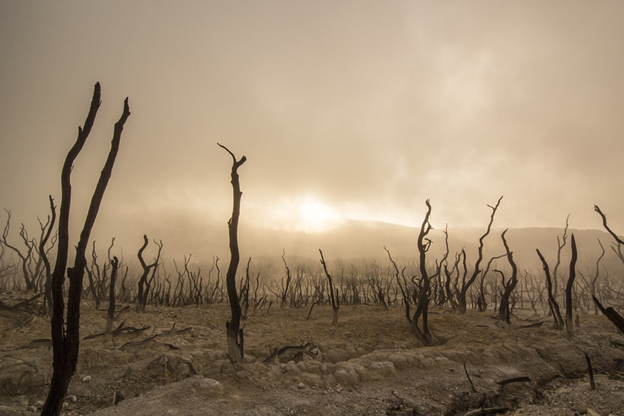
Image: Pixabay
Cattle too rely on precipitation. The forecast of dry conditions in southern Saskatchewan and Manitoba can also mean limited grass for cattle to graze on and no water in ponds to drink from.
And then there’s energy! Over 60 per cent of Canada’s total electricity comes from hydro sources. Experts worry that extended dry conditions are likely to jeopardize the share of hydroelectricity in Canada. In Manitoba, hydroelectricity accounts for a whopping 96 per cent of all energy generated, according to government data. AAFC’s report is bad news for the province’s hydroelectricity sector as well.
Amid the calls for net zero carbon emissions by the federal government and activists, there are other issues that seek urgent attention too. Droughts are extreme weather conditions exacerbated by climate change. It is indispensable to consider these subjects while framing policies on climate change.
