
 AUS
AUS
 NZ
NZ
 UK
UK
 CA
CA
 USA
USA
 IND
IND






Summary
- Equities have been the preferred asset class for higher returns
- Through ETFs, one can invest in a basket of securities without owning them
- Investing in sector specific ETFs provides benefits of industry
Equities have been the most preferred asset class for the investors who are looking for higher returns as compared to the debt instruments and fixed-income securities. The risk and return of investing stocks vary according to the underlying fundamentals of shares representing the respective companies.
Direct investment into stocks does offer a high rate of return, but it also comes with numerous risks due market volatility, macroeconomics factors, economic slowdown, mis-management at the organisation, increasing proportion of non-performing assets, swelling liabilities, bad news or rumour surrounding the company operations, etc.
In order to minimise the overall risk, there are certain financial instruments that have been designed to safeguard the interest of retail investors and the people who don’t have enough time to track their independent equity picks.
ETF
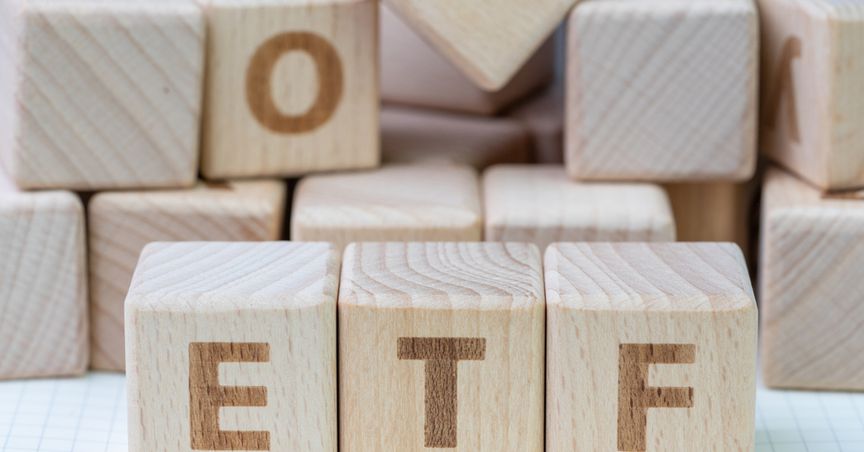
Exchange-traded fund (ETF) is one of the financial instruments with which a person can invest in a number of tradable securities by purchasing respective units of the fund. ETFs are traded on stock exchange, in a much similar manner to the normal equity shares. ETF typically constitutes a number of underlying securities which keeps the risk and return diversified over different holdings.
An ETF can contain a mix of shares, bonds, commodities, and other assets. ETFs are generally created with individual investment strategies and objectives. There are different types of ETFs, some of them are benchmarked to the market index, while others have been orchestrated on the basis of expected return of sector or specific sector. Through ETFs, an individual can invest in a basket of securities without owning the individual stocks, bonds or fixed-income instruments.
- Some ETFs only contain the securities that are listed on the domestic stock exchange, whereas some funds include the market tradable securities from international bourses.
- Investors who are looking to capitalise from a particular sector can consider investing in sector specific ETFs.
- On the other hand, market participants can have exposure to international securities, as well as commodities by investing proportionately smaller amounts through ETFs.
Here we take a look at the top 3 FTSE 100 ETFs, according to 1-year returns

For instance, the HSBC FTSE 100 UCITS ETF is benchmarked to the FTSE 100 index. The top 5 holdings of the fund include Unilever Plc (LON: ULVR), Royal Dutch Shell Plc (LON: RDSA), AstraZeneca Plc (LON: AZN), HSBC Holdings Plc (LON: HSBA) and Diageo Plc (LON: DGE). The inclusion of more stocks and securities increases the diversification that helps in spreading the risk.
Therefore, any sudden dip in a couple of shares will not have a material impact on the overall performance of the fund as the gain in other securities will offset the losses.
