
 AUS
AUS
 NZ
NZ
 UK
UK
 CA
CA
 USA
USA
 IND
IND





Highlights
- Adding blue-chip ETFs to the portfolio never goes out of fashion in the investing world.
- Investors should keep some spare cash at hand during market correction to buy ETFs at a lower price.
- Investors must research well to find the highest-quality ETFs with the least expense ratio before investing.
Global markets have been facing huge volatility as Russia’s war on Ukraine continues for over a month now. Bolstering commodity prices have paved the way for multi-decade high inflation in many countries, which is weighing the equities market.
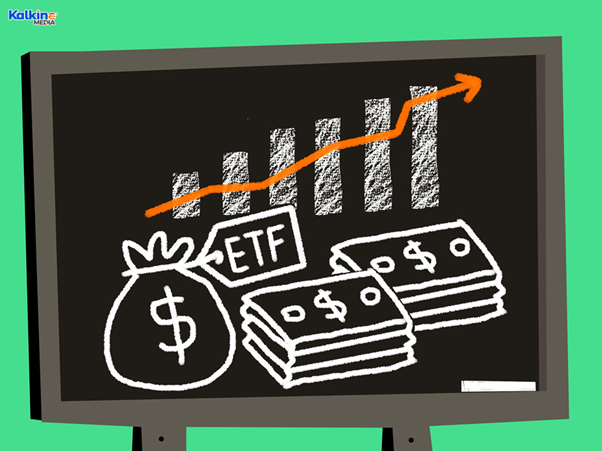
Image Source: © 2022 Kalkine Media®
Central banks have also started to increase interest rates in order to curb soaring inflation, which is making debt markets more lucrative. Geo-political jitters are expected to continue at least for a while; however, investors don’t need to panic over this heightened volatile period. There are a few ETF-based strategies that can be put to work to sustain these ups and downs in the financial markets. Let us have a look at five such ways.
Read More: STO, WPL & BPT - ASX stocks to keep an eye on as oil jumps over US$120
- Commodity-based ETFs
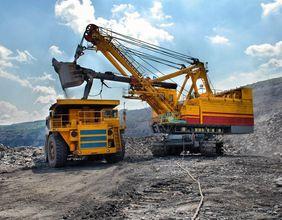
The current cost-push inflation has been supported by surging commodity rates, especially crude oil prices. While equity markets have had trouble in overcoming geo-political tensions, commodity markets have rallied in an unprecedented manner. Most of the commodities have recently hit the highest level since 2008 and some have even marked a new all-time high.
Exposure to commodities-based companies is one of the best ways to hedge a portfolio against equities, and the same can be replicated via ETFs.
- Blue chips are always in fashion
Adding blue-chip ETFs to a portfolio never goes out of fashion in the investing world. Big businesses are considered to be more resilient during a market crash and deliver a steady and stable return when broader markets are doing well.
The reason they are called blue chips is because the highest valuable chips in the game of poker are blue coloured. These big companies have robust balance sheets and sustained sources of revenue that help them to sail through tough business conditions less damaged.
- Diversification is the key
As legendary investor Warren Buffett says, “Do not put all your eggs in one basket.” investors should have multiple ETFs in the portfolio to reduce the concentration of risk of one sector or asset class. Although ETFs are already a portfolio of securities but are often curated based on a theme such as one sector or market cap which is not true diversification.
Investors can diversify across market capitalisation, sectors, asset classes, geographies, etc. Nowadays more complex ETFs have also been made available such as an inverse ETF or a leveraged ETF, which investors can also look at, after having a thorough understanding.
- Always keep ready
Investing in ETFs is no different than investing directly in equities in the sense the lower you buy, the higher the profit potential you get. During volatile times, there are wild swings in ETFs as well (although not as wild as single-stock movement) and provides a good chance to buy the dip.
Investors will only be able to take advantage of any dip if he will be ready with cash to be deployed. Although keeping a large chunk of cash is also not recommended due to inflation and opportunity cost.
- Keep a check on expense ratio
ETFs are a professionally managed portfolio of securities, and the issuer charges a small fee for management services from investors when they invest. However, these fees can sometimes be very high, which dent overall returns from the ETF over a long period of time.
For example, if a fund delivers a return of 10% and has an expense ratio of 1%, then the effective return reduces by 1% to 9%. Investors must research well to find the highest-quality ETFs with the least expense ratio before investing.
Bottom Line
Investing in ETFs is relatively a less-riskier way to invest in financial markets than investing directly in equities, commodities or other assets. However, ETFs are also prone to losses and drawdowns, therefore investors must do thorough research before selecting one.
Read More: Three technical indicators to help gauge market volatility
