
 AUS
AUS
 NZ
NZ
 UK
UK
 CA
CA
 USA
USA
 IND
IND



_06_15_2026_03_42_04_100252.jpg)
_06_15_2026_03_38_02_011292.jpg)

Highlights:
Cheniere Energy operates in the liquefied natural gas sector, focusing on production and export.
Business efficiency has improved, with higher returns on capital employed over recent years.
Financial trends reflect operational stability and investment in long-term infrastructure.
Cheniere Energy (NYSE:LNG) operates within the liquefied natural gas (LNG) sector, which plays a critical role in global energy markets. The company focuses on LNG production, transportation, and export, catering to growing international demand. The sector is influenced by factors such as supply chain dynamics, regulatory frameworks, and market pricing.
The LNG industry has seen technological advancements and infrastructure expansion aimed at enhancing operational efficiency. Companies involved in LNG production adapt to shifting energy policies and environmental considerations while managing large-scale export operations.
Operational Efficiency and Business Trends
Operational performance in the LNG sector relies on infrastructure, supply contracts, and efficiency in production. Cheniere Energy has maintained capital allocation stability while achieving higher returns on deployed capital. This trend reflects improvements in business operations and strategic utilization of assets.
Higher efficiency in capital usage is a key factor in financial trends. The company’s ability to sustain operations while enhancing profitability metrics is a focal point in evaluating business direction. Operational infrastructure, export agreements, and production capabilities contribute to overall performance.
Financial Trends and Capital Deployment
Cheniere Energy has demonstrated stable capital deployment while achieving stronger financial performance. The ability to generate returns from existing infrastructure highlights operational efficiency. Consistent earnings growth without significant capital expansion reflects a focus on optimizing production and export activities.
In the LNG sector, financial positioning is influenced by investment in production facilities, transportation networks, and export capacity. Market conditions, regulatory compliance, and global demand shape business strategies for maintaining financial stability and operational efficiency.
Industry Factors and Market Positioning
Market positioning in the LNG industry depends on infrastructure capabilities, supply agreements, and adaptability to energy market trends. Cheniere Energy operates in a competitive sector where pricing fluctuations, geopolitical factors, and production costs influence market conditions.
Regulatory developments, environmental policies, and international energy agreements affect LNG sector operations. Companies focus on maintaining strong supply chain partnerships and operational flexibility to navigate industry changes. Infrastructure investments and production efficiency play roles in sustaining business positioning.
Infrastructure Development and Business Outlook
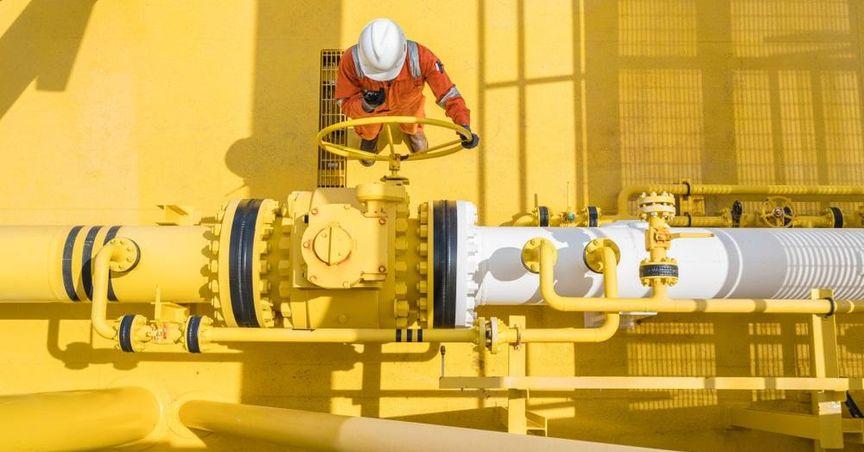
Cheniere Energy’s operational framework includes LNG liquefaction facilities, export terminals, and transportation logistics. The company’s infrastructure supports large-scale LNG distribution to global markets. Expansion strategies and efficiency improvements contribute to overall business performance.
The LNG sector continues to evolve, with technological advancements, regulatory updates, and shifting market demand shaping future developments. Companies in this space monitor industry trends while optimizing infrastructure and financial management to maintain operational stability.
